

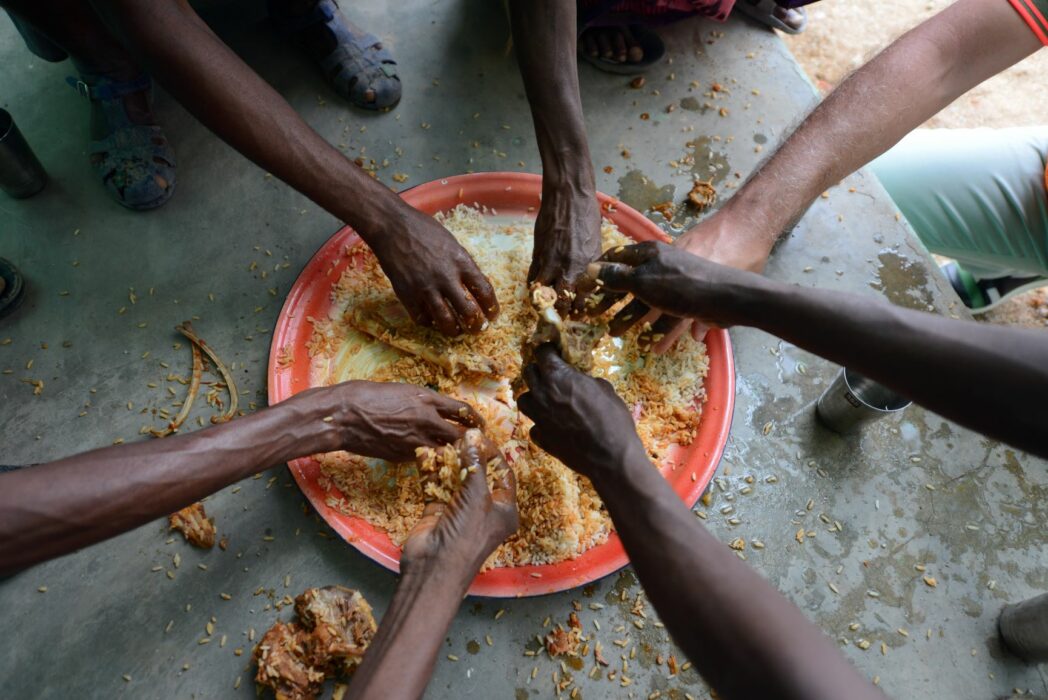
Nigeria Faces Severe Food Insecurity with 36.3 Million Affected

According to the Alliance for a Green Revolution in Africa (AGRA), Nigeria has 36.3 million people experiencing Crisis or worse food insecurity as of August 2026, representing 16.7% of the country's population. This figure is the highest among 17 African countries monitored.
The report attributes the food insecurity to ongoing conflict, insecurity, displacement, high food prices, and weather-related production challenges. While Nigeria has the largest affected population, South Sudan has the highest proportional food insecurity at 55%.
The report indicates that food insecurity conditions remained stable across most countries compared to July, with some improvements noted in Malawi and Zambia. Despite maize prices being lower than a year ago, challenges such as displacement and high transport costs persist.
Earlier reports indicated that farmers in North-Central and North-West Nigeria faced rising input costs and post-harvest losses, with significant price increases for onions and ogbono. Projections from PwC indicated that 34.7 million Nigerians were at risk of acute food insecurity in 2026.
Plus234Feed summary based on reporting from Nairametrics. Read the original report below.
Read full article
Continue on Nairametrics
Enjoy this article?
Get the weekly Nigerian roundup — top stories, NPFL, naira. One email, Sunday morning.
Related Stories
Nigeria Faces Severe Food Insecurity with 36.3 Million Affected
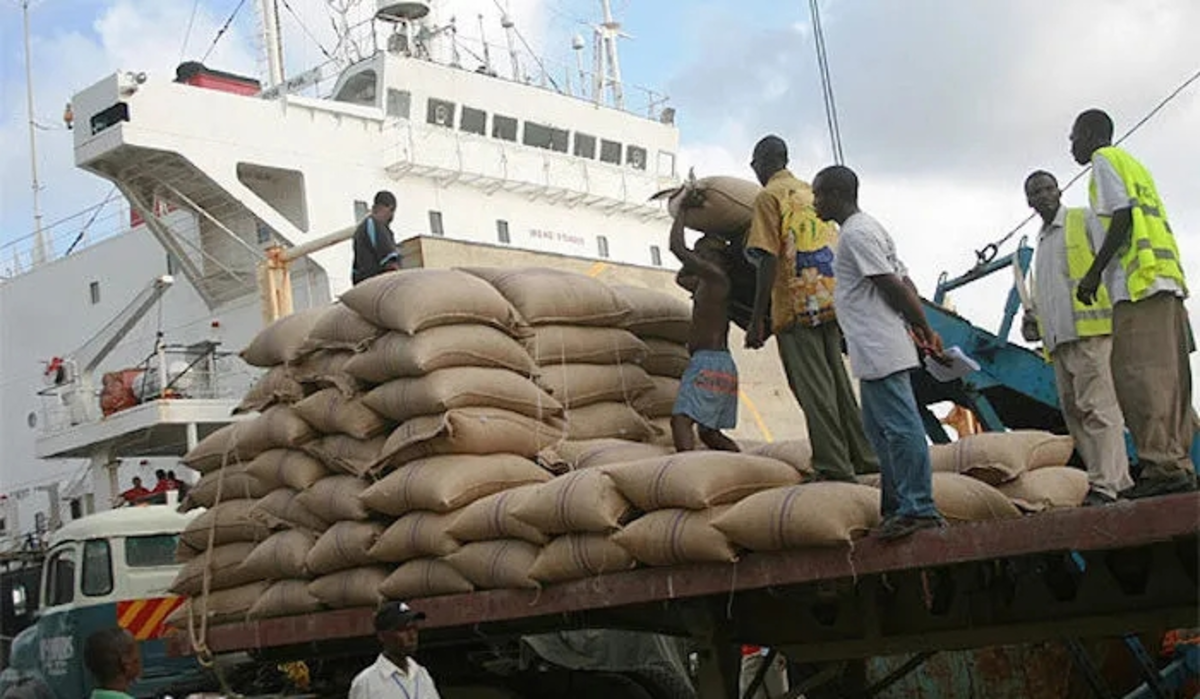
Nigeria's Food Import Bill Hits N3.30 Trillion in H1 2026

SOWENON Urges Government to Tackle Food Security Crisis
Nigeria's Food Inflation Hits Six-Month High at 20.31%
UN Reports 70% of Nigeria's Food Farmers Are Women
Nigeria's Food Inflation Hits 20.31% Amid Economic Struggles
Get Plus234Feed on messaging apps
Same headlines, delivered where you already scroll.


