

Nigeria's Food Inflation Hits 20.31% Amid Economic Struggles

As of July 2026, food inflation in Nigeria stood at 20.31% year-on-year, an increase from 17.52% in June, marking the highest rate in ten months. Month-on-month, food inflation accelerated to 5.56%.
The rise in food prices is attributed to several factors, including insecurity in farming regions, climate shocks such as floods and droughts, high fuel costs affecting transport, and structural issues like low productivity in rain-fed farming. The Tinubu administration has implemented measures such as granting temporary import duty and levy waivers on selected staples and inputs, rolling out thousands of tractors under the Renewed Hope Agricultural Mechanisation Programme, and supporting smallholders with subsidized seeds and fertilizers.
Despite these efforts, the recent uptick in food inflation indicates the limitations of current interventions. Addressing food inflation requires a coordinated approach that considers both supply and structural challenges, as monetary policy alone cannot resolve the issues affecting food production.
Plus234Feed summary based on reporting from This Day. Read the original report below.
Read full article
Continue on This Day
Enjoy this article?
Get the weekly Nigerian roundup — top stories, NPFL, naira. One email, Sunday morning.
Related Stories
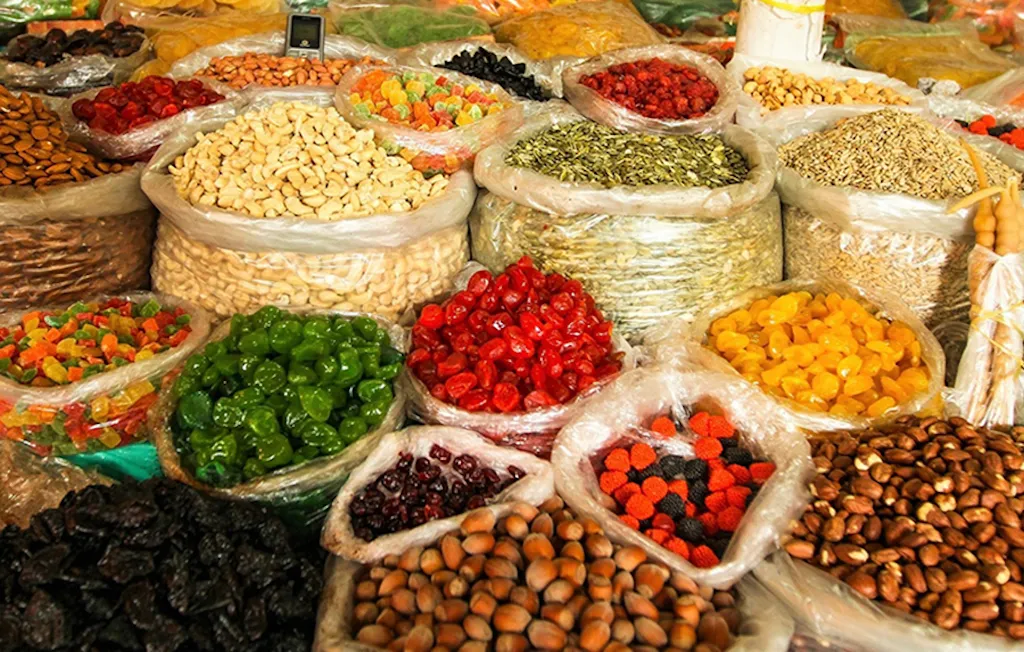
Nigeria's Food Inflation Hits Six-Month High at 20.31%
Nigeria's Food Inflation Hits 17.52% Driven by Edible Oil
Nigeria's Headline Inflation Drops to 15.43%, But Food Prices Surge
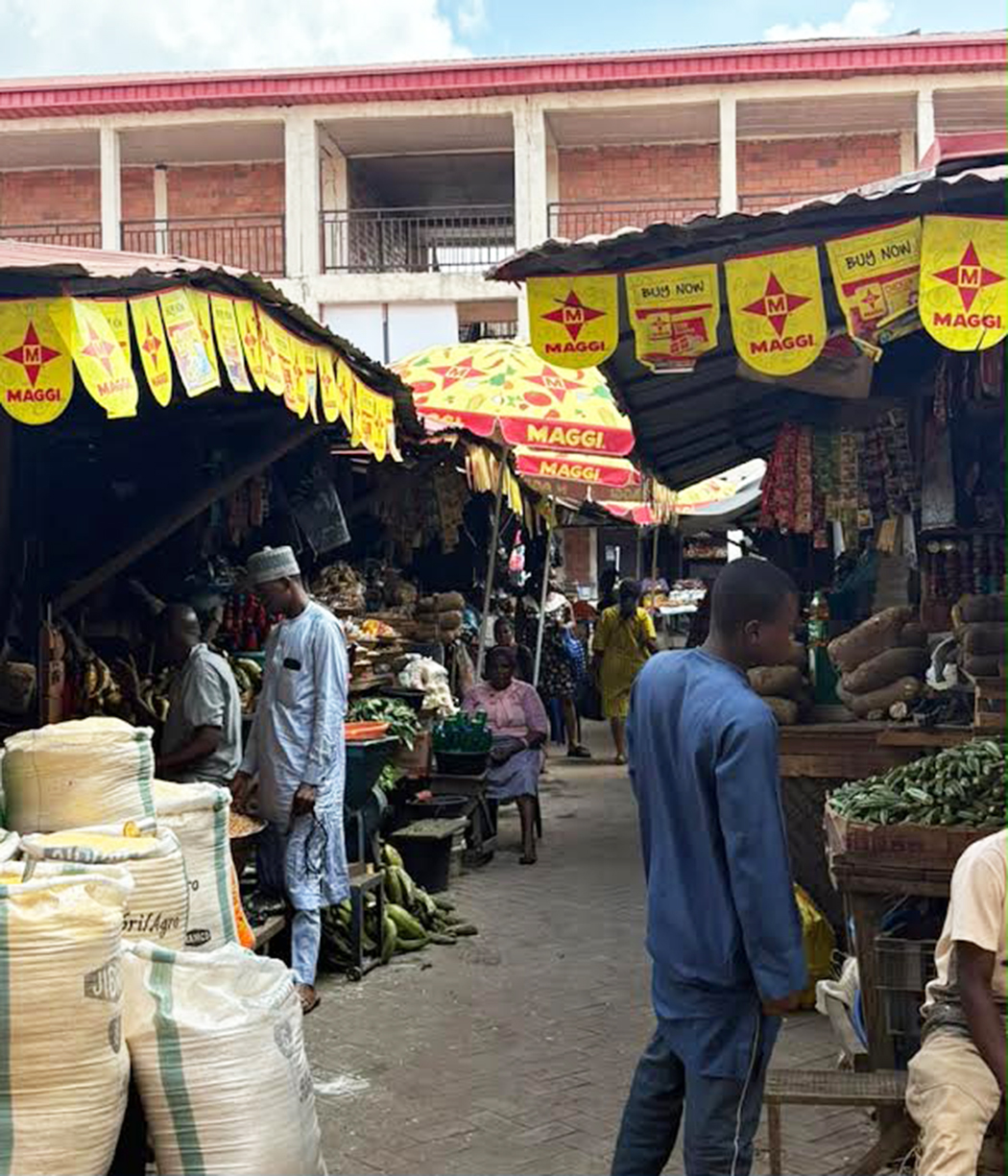
Rising Food and Transport Costs Strain Nigerian Households

Nigeria's Inflation Rate Drops, Food Prices Surge

Nigeria's Inflation Declines Slightly to 15.91% in June 2026
Get Plus234Feed on messaging apps
Same headlines, delivered where you already scroll.


