

Nigeria’s burden of malaria, TB and HIV emphasizes role of community engagement

The burden of malaria, tuberculosis, and HIV in Nigeria highlights the crucial role of community engagement in addressing these diseases. Mr. Faith Olawale, the Oyo State coordinator of Network of People Living with HIV/AIDS in Nigeria (NEPWAN), emphasized the importance of community involvement in improving health outcomes and promoting accountability at the grassroots level.
The Community System Strengthening (CSS) framework has been instrumental in enhancing coordination and capacity-building to tackle public health challenges in Nigeria. Stakeholders have recognized the need for a comprehensive approach involving education, advocacy, and sustainable partnerships between civil society organizations (CSOs) and government entities.
CSOs have been working diligently to harmonize disease response efforts and amplify their unique strengths. Collaboration and funding support from the government are crucial to empowering communities and ensuring the sustainability of health initiatives in Nigeria.
Plus234Feed summary based on reporting from Nigerian Tribune. Read the original report below.
Read full article
Continue on Nigerian Tribune
Get the week in one email
Top stories, NPFL results, the naira — every Friday morning. Free, one email a week.
Related Stories
CSOs Push for Local Financing to Fight HIV and TB in Nigeria
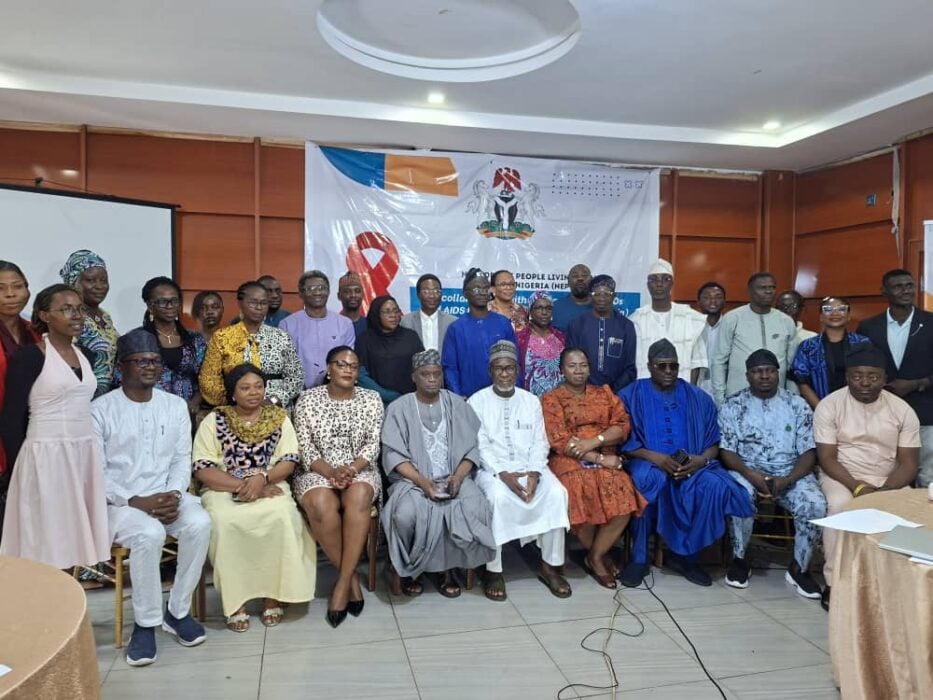
Stakeholders Call for Local Financing to Fight HIV and TB in Nigeria
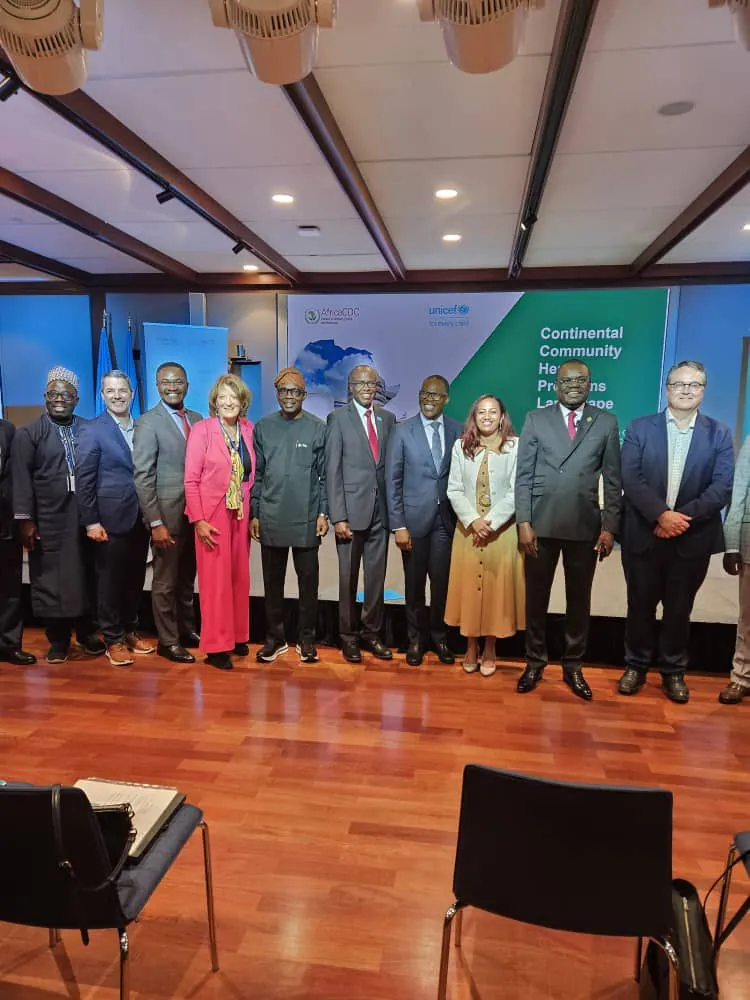
Nigeria Commits to Strengthening Community Health Systems in Africa
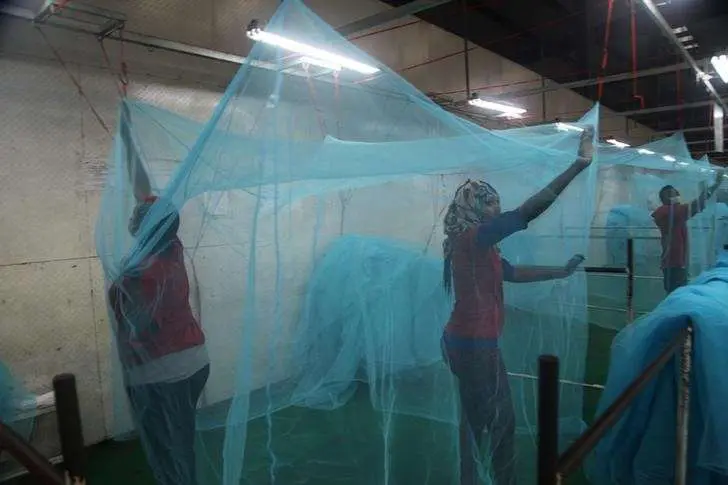
ACOMIN harps on community-led monitoring to tame malaria in Ogun
Global Fund Commits to Support Nigeria's Health Financing for UHC and Pandemic Preparedness
Over 44,000 on HIV treatment in Kano as donor support declines
Get Plus234Feed on messaging apps
Same headlines, delivered where you already scroll.


