

Nigeria's Fuel Price Surge Strains Transport Sector

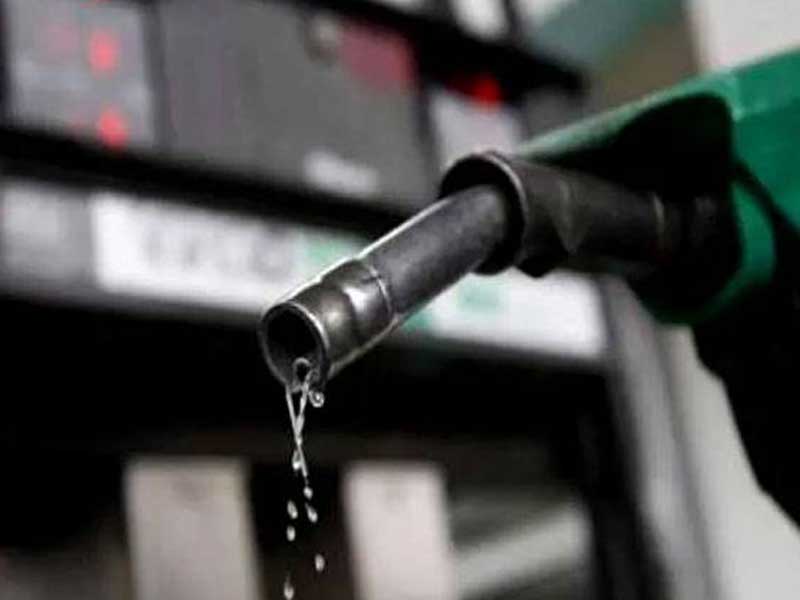
Nigeria's fuel market is under significant pressure due to global oil dynamics, leading to increased petrol prices that strain the transport system and logistics network. The ongoing reforms aim to stabilize the exchange rate and moderate inflation, but the immediate impact of rising fuel prices is felt by citizens, particularly ride-hail drivers and courier services.
These drivers face tough choices as fuel costs rise, forcing them to either absorb costs or increase fares, which in turn reduces demand. The article highlights the importance of a flexible fare negotiation system, such as that offered by Indriv, which allows drivers to retain more of their earnings.
The need for smarter support mechanisms, including temporary assistance for transport workers and incentives for adopting alternative energy sources, is emphasized. The current situation presents a critical opportunity for Nigeria to build a more efficient and resilient fuel mobility system, reducing dependence on external shocks while ensuring social sustainability.
Plus234Feed summary based on reporting from This Day. Read the original report below.
Read full article
Continue on This Day
Get the week in one email
Top stories, NPFL results, the naira — every Friday morning. Free, one email a week.
Related Stories
Rising Petrol Prices Cause Hardship for Nigerians
Nigeria's Fuel Prices Rise Amid Global Oil Price Surge

Fuel Prices in Nigeria Rise Amid Middle East Tensions

Nigeria's Petrol Prices Surge Amid Global Oil Tensions

Nigeria's Struggle with Global Energy Transition Challenges
Rising Middle East Tensions Threaten Nigeria's Fuel Prices
Get Plus234Feed on messaging apps
Same headlines, delivered where you already scroll.


