

Study Reveals Regional Disparities in Livestock Methane Emissions in Nigeria

A recent study conducted by Netzence in partnership with 3logi and the Federal Ministry of Livestock Development (FMLD) has unveiled the disparities in methane emissions from livestock across regions and seasons in Nigeria. The research, led by Professor Sadiq Sani, indicates that the North Central Zone exhibits higher methane emissions linked to greenhouse gases compared to the South West.
The study highlights that livestock systems in the North Central region, characterized by larger mature animals and extensive agro-pastoral practices, produce higher methane emissions per head due to factors like higher baseline enteric methane output and environmental exposure. In contrast, the South West region's livestock, dominated by semi-intensive systems with a higher proportion of young and mid-aged animals, shows lower emissions.
The study emphasizes the impact of environmental conditions, herd composition, animal size, diet, and grazing patterns on methane emissions in Nigerian livestock systems.
Plus234Feed summary based on reporting from This Day. Read the original report below.
Read full article
Continue on This Day
Get the week in one email
Top stories, NPFL results, the naira — every Friday morning. Free, one email a week.
Related Stories

Nigeria Implements Climate-Smart Livestock Feeding for Emissions Reduction

Nigeria's Climate Goals Challenged by Gas Flaring Issues
Nigeria's Livestock Ministry Targets N3.2 Trillion in Exports
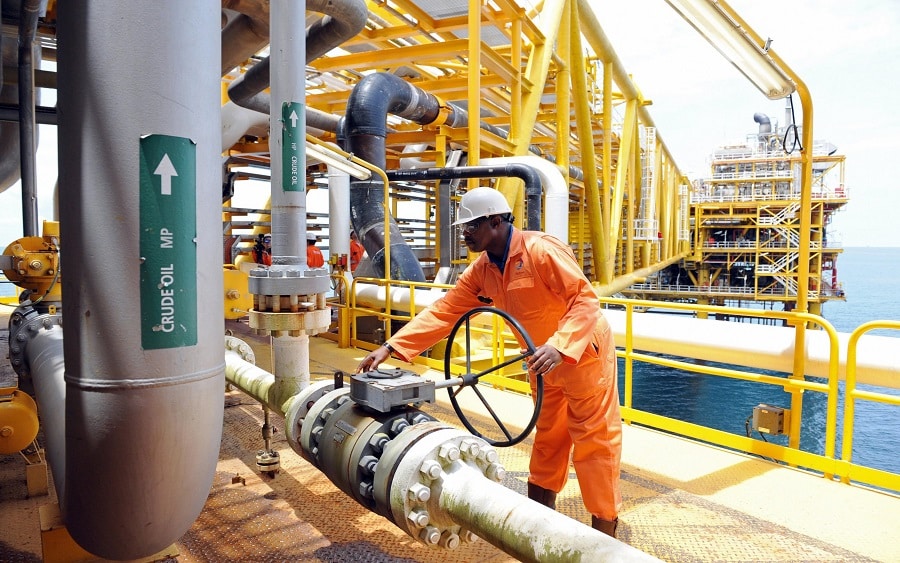
Nigeria's Gas Production Surges by 8% in 2025, NUPRC Report Reveals Shift in Production Structure
Nigerian Government Targets $74bn Livestock Sector GDP in 10 Years
Nigerian Government Aims to Double Livestock Sector's GDP Contribution to $74bn in 10 Years
Get Plus234Feed on messaging apps
Same headlines, delivered where you already scroll.


