
Nigeria's Economy Stabilizes, Focus Shifts to Productivity

Three years into President Bola Tinubu’s administration, the Nigerian economy has stabilized, as reported by PricewaterhouseCoopers (PwC) and the Nigerian Economic Summit Group (NESG). However, both organizations assert that stability is insufficient; the next phase must focus on productivity, job creation, and household welfare.
Minister of Finance and Coordinating Minister of the Economy, Taiwo Oyedele, along with the International Monetary Fund, World Bank, and Centre for the Promotion of Private Enterprise's CEO, Dr. Muda Yusuf, support this view. Political economist Adefolarin Olamilekan noted that the government's reforms aim to rectify deep structural issues, including fiscal imbalances and monetary policy distortions.
PwC projects that by the second half of 2026, the economy could grow by up to 4.2%. To achieve this, priorities include enhancing consumer purchasing power, supporting micro, small, and medium enterprises (MSMEs), and streamlining bureaucratic processes to convert investor interest into productive investments.
Plus234Feed summary based on reporting from Blueprint. Read the original report below.
Read full article
Continue on Blueprint
Get the week in one email
Top stories, NPFL results, the naira, every Friday morning. Free, one email a week.
Related Stories

Tinubu Declares Nigeria's Shift to Prosperity Amid Economic Reforms

Nigeria's Economic Reforms Yield Positive Results

Tinubu's Reforms Fail to Enhance Nigerians' Living Standards
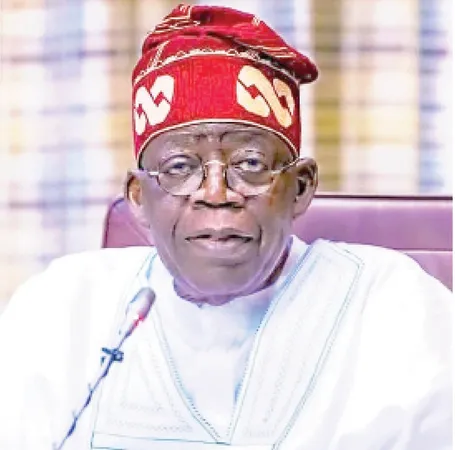
Tinubu Announces Nigeria's Shift to Prosperity at Summit

Tinubu's Economic Reforms Boost Nigeria's Fiscal Health
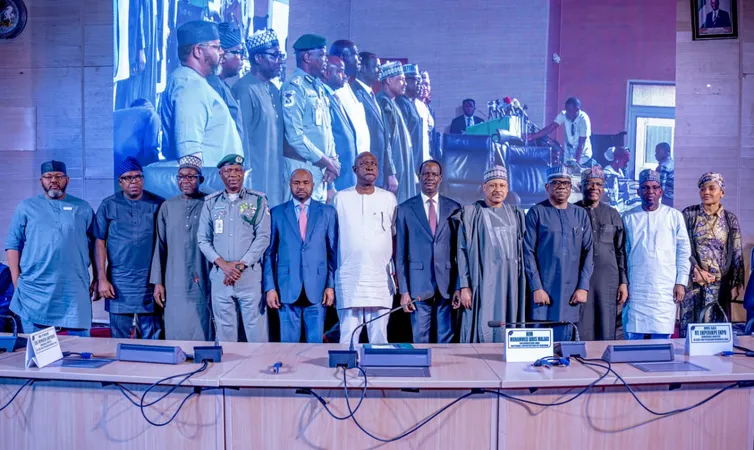
Nigeria's Economy Strengthened by Tinubu's Reforms
Get Plus234Feed on messaging apps
Same headlines, delivered where you already scroll.