

Nigeria's Government Revives Palm Oil Production Plans

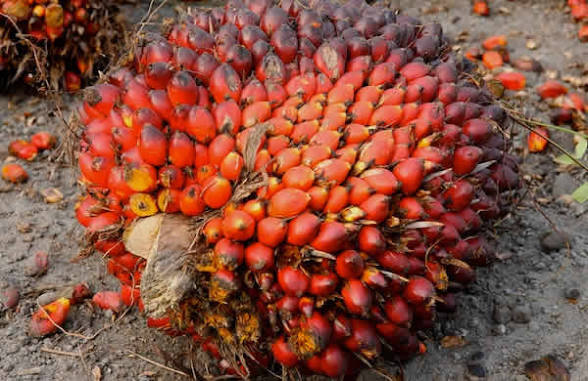
The Federal Government of Nigeria, led by President Bola Ahmed Tinubu, is implementing a plan to restore Nigeria's leadership in palm oil production, which has fallen to sixth globally. The initiative focuses on the Calaro Oil Palm Estate, a significant site for palm oil processing established during colonial times.
The plan consists of two phases: the first involves establishing 10,000 hectares of palm plantations across 15 participating states, integrating modern milling and storage systems. The second phase will concentrate on downstream processing and manufacturing of palm-based products to enhance value addition and export competitiveness.
Currently, Nigeria produces 600,000 metric tons of palm oil annually, while consumption stands at 2.4 million metric tons, leading to a significant deficit that necessitates imports. The revival plan aims to address these challenges and restore Nigeria's prominence in the global palm oil market.
Plus234Feed summary based on reporting from Blueprint. Read the original report below.
Read full article
Continue on Blueprint
Get the week in one email
Top stories, NPFL results, the naira — every Friday morning. Free, one email a week.
Related Stories
Nigeria's Plan to Revive Palm Oil Production Announced

Nigeria Revives Palm Oil Sector to Boost Jobs, Cut Imports

Nigeria's Oil Output Rises 80% Under Tinubu's Leadership

Nigeria's Economy Shows Signs of Recovery Under Tinubu
Nigeria's Oil Production Rebounds Amidst Ongoing Challenges

Tinubu Confident Nigeria Will Overcome Current Challenges
Get Plus234Feed on messaging apps
Same headlines, delivered where you already scroll.


