

Nigeria's Fuel Subsidy Reform Saves ₦15.8 Trillion

The renewed call for restoring fuel subsidies in Nigeria prompts an examination of the economic gains achieved through reforms. In 2022, Nigeria spent about $10 billion on fuel subsidies, which the World Bank indicated diverted resources from education, healthcare, and infrastructure.
President Bola Ahmed Tinubu's administration inherited this system and initiated reforms that mobilized ₦15.8 trillion in savings from June 2023 to December 2025. Of this amount, ₦5.43 trillion went to the Federal Government, ₦6.52 trillion to states, and ₦3.88 trillion to local governments.
These funds are not a separate cash pool but resources released within the fiscal system, enhancing the capacity of governments to meet obligations and invest in essential services. The reforms also facilitated ₦6.47 trillion in additional expenditure on strategic infrastructure projects, including major highways.
Over 10 million households benefited from social transfers, and the administration allocated over ₦400 billion to social investment initiatives, fostering investor confidence and enhancing Nigeria's economic landscape.
Plus234Feed summary based on reporting from This Day. Read the original report below.
Read full article
Continue on This Day
Enjoy this article?
Get the weekly Nigerian roundup — top stories, NPFL, naira. One email, Sunday morning.
Related Stories
Fuel Subsidy Reinstatement Threatens Nigeria's Economic Gains
Cleric Warns Fuel Subsidy Restoration Could Ruin Nigeria
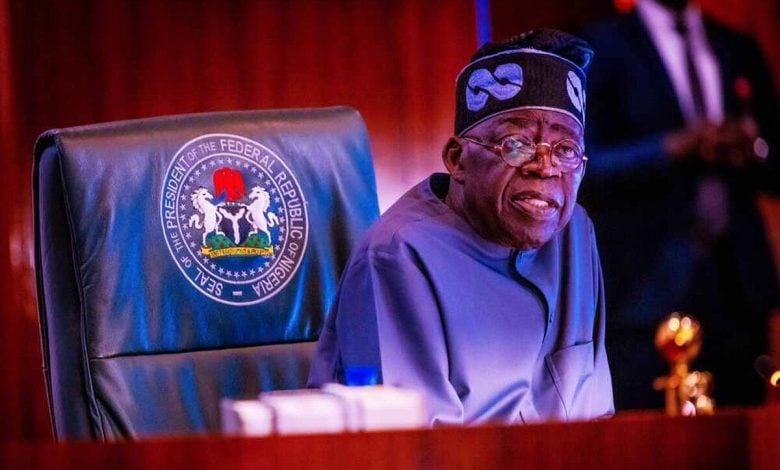
FG Warns Against Fuel Subsidy Restoration, Predicts Risks

Atiku's Petrol Subsidy Proposal Criticized for Economic Risks
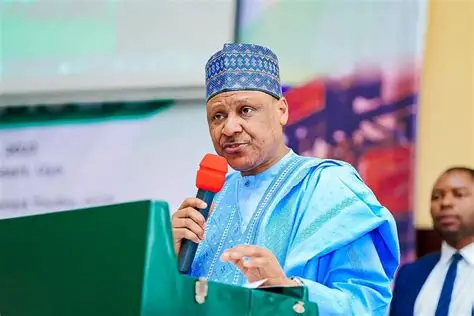
Idris Defends Fuel Subsidy Removal, Warns Against Return to Old Policy
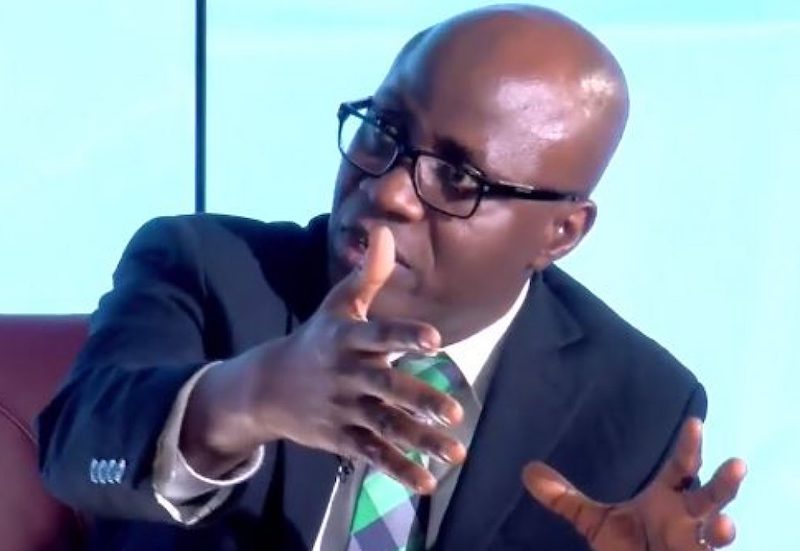
Nigeria's Petrol Subsidy Removal Sparks Controversy
Get Plus234Feed on messaging apps
Same headlines, delivered where you already scroll.


