

Rising Food and Transport Costs Strain Nigerian Households

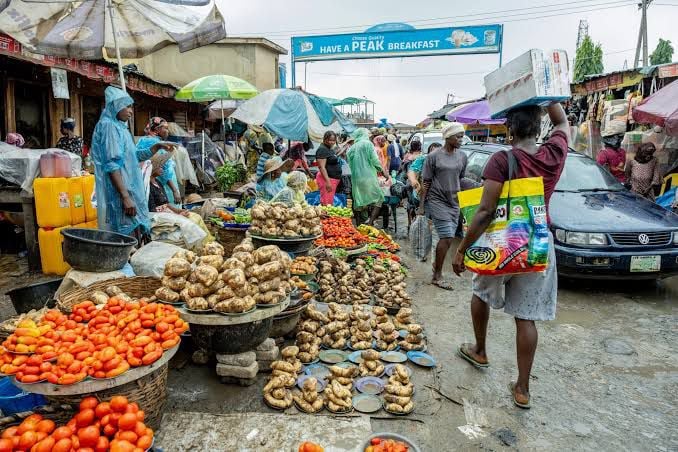
The rising costs of food and transportation in Nigeria are significantly affecting the daily lives of citizens. Christiana Bulus, a trader traveling from Dikko in Niger State to Gosa Market, has seen her transportation costs increase from N1,500 to approximately N3,500.
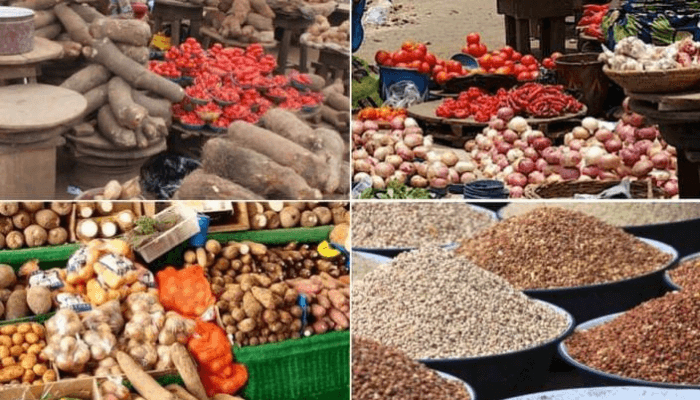
This rise in expenses has made it challenging for her to profit from sales, as customers are buying less due to high prices. The National Bureau of Statistics (NBS) reported that headline inflation moderated to 15.43% in July 2026, down from 15.91% in June, while food inflation rose to 20.31% year-on-year in July, up from 17.52% in June.
Aisha Bello, a salaried worker in Abuja, noted that her income has not kept pace with rising costs, leading her to spend more on food and transportation and make sacrifices in her spending habits. The situation reflects a broader economic challenge where the cost of living continues to outstrip income growth for many Nigerians.
Plus234Feed summary based on reporting from This Day. Read the original report below.
Read full article
Continue on This Day
Enjoy this article?
Get the weekly Nigerian roundup — top stories, NPFL, naira. One email, Sunday morning.
Related Stories
Nigeria's Food Inflation Hits 20.31% Amid Economic Struggles
Nigeria's Food Inflation Hits 17.52% Driven by Edible Oil
Nigeria's Food Inflation Hits Six-Month High at 20.31%

Nigeria's Inflation Rate Drops, Food Prices Surge
Nigeria's Inflation Rate Drops to 15.91% Amid Rising Food Costs
Nigeria's Headline Inflation Drops to 15.43%, But Food Prices Surge
Get Plus234Feed on messaging apps
Same headlines, delivered where you already scroll.


