

Anambra State Faces Economic Disruption from IPOB Sit-at-Home

The sit-at-home order in Anambra State, issued by the Indigenous People of Biafra (IPOB) led by Nnamdi Kanu, has caused the state to resemble a ghost town as residents complied to avoid attacks from enforcers. This order, which has been in effect since 2021, has severely impacted daily life, including school closures and economic activities, as traders and hawkers faced significant losses.
The directive has created a perception of a parallel government in Anambra, emboldening non-state actors while undermining the state government. In response, Governor Chukwuma Soludo took decisive action by reopening markets, including the Onitsha main market, and warned market leaders against compliance with the IPOB's order.
The situation highlights the ongoing tensions between separatist movements and government authority in Nigeria, particularly affecting the Igbo people in the southeastern region.
Plus234Feed summary based on reporting from This Day. Read the original report below.
Read full article
Continue on This Day
Get the week in one email
Top stories, NPFL results, the naira — every Friday morning. Free, one email a week.
Related Stories

Soludo's Directive and IPOB's Sit-At-Home Order: Impact on Southeast Nigeria's Economy and Security
Onitsha Market Reopens After Sit-At-Home Compliance in Anambra State
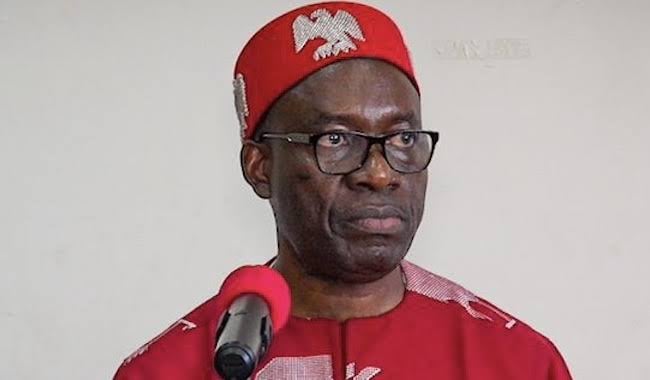
IPOB Clashes with Security Forces Over Market Closure in Onitsha
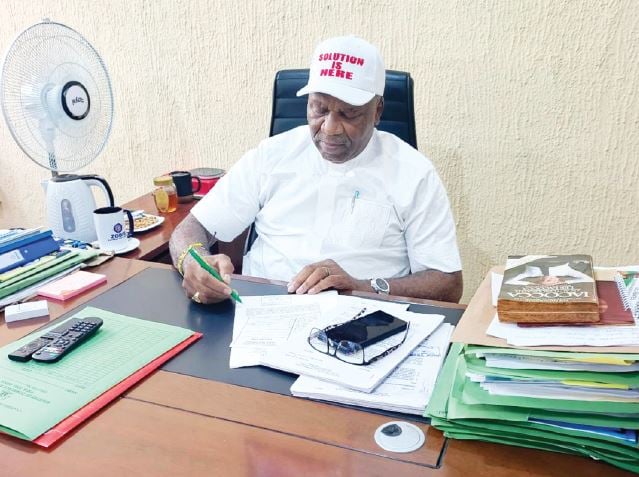
Soludo's Aide Advocates Ending Sit-at-Home in Anambra

Soludo Closes Nkwo Nnewi Market Over Compliance Issues

Soludo Takes Over Onitsha Market Amid IPOB Sit-At-Home Protests
Get Plus234Feed on messaging apps
Same headlines, delivered where you already scroll.


