

Nigeria's Economy Recovers as Inflation Rates Decline

Nigeria is experiencing a notable economic recovery as inflation rates have shown a decline, with the headline inflation rate dropping to 15.10% in January 2025 from 15.15% in December 2024. For the first time in a decade, food inflation has fallen sharply to 8.8%.
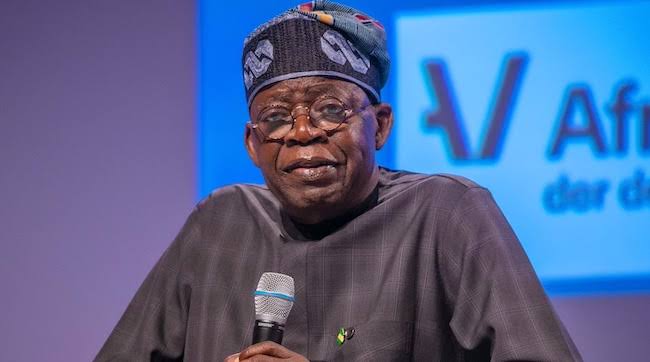
This positive trend is attributed to President Bola Ahmed Tinubu's economic reforms, which focus on two core pillars: the removal of fuel subsidies and the unification of the foreign exchange market. The administration inherited a challenging economic situation, with public debt at 87.4 trillion Naira and a debt service-to-revenue ratio exceeding 100%.
Despite initial hardships, including a near 200% increase in fuel prices and significant inflation, the reforms have begun yielding tangible benefits. The government's firm approach against crude oil theft has led to a recovery in oil production, exceeding OPEC quotas.
Additionally, foreign reserves have climbed to $49 billion as of February 5, 2026, indicating improved fiscal health.
Plus234Feed summary based on reporting from This Day. Read the original report below.
Read full article
Continue on This Day
Get the week in one email
Top stories, NPFL results, the naira — every Friday morning. Free, one email a week.
Related Stories

Nigeria's Economy Shows Progress After Reforms Under President Tinubu

Nigeria's Economic Reforms Under Tinubu: A Critical Analysis
Tinubu's Economic Reforms: A Path to Nigeria's Stability

Nigeria's 2023 Fuel Subsidy Reforms and Economic Impact
Tinubu's Economic Reforms Boost Nigeria's Foreign Reserves

Nigeria's Food Inflation Hits 8.89%, Lowest in 14 Years
Get Plus234Feed on messaging apps
Same headlines, delivered where you already scroll.


