

Key Electoral Assumptions for Nigeria's 2027 Election

The upcoming 2027 presidential election in Nigeria is anticipated to be a significant event that will test three key electoral assumptions. The first assumption concerns the vulnerability of incumbents, as historical precedents show that sitting presidents, such as Shehu Shagari in 1983, Olusegun Obasanjo in 2003, Goodluck Jonathan in 2015, and Muhammadu Buhari in 2019, have faced challenges despite having state resources at their disposal.
The 2015 election demonstrated that incumbents could be defeated, raising questions about the perceived advantages of holding office. The second assumption focuses on the political structures and agency of individual voters, with debates between structuralist and individualist views on voter behavior.
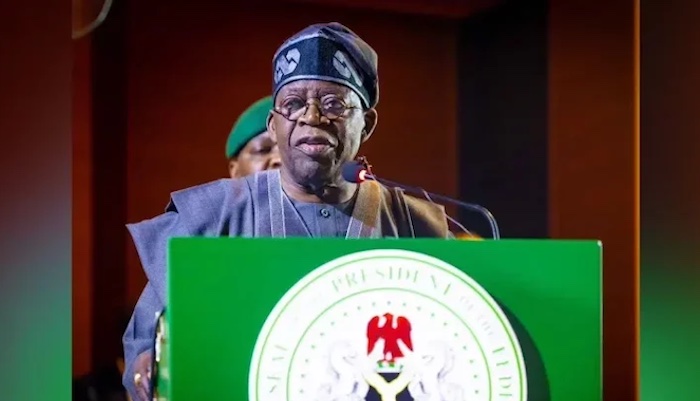
The third assumption examines the dynamics of voter coalitions and the impact of urban-rural divides on electoral outcomes. As the political landscape evolves, candidates like Bola Tinubu will need to navigate these complexities to secure electoral success in 2027.
Plus234Feed summary based on reporting from This Day. Read the original report below.
Read full article
Continue on This Day
Get the week in one email
Top stories, NPFL results, the naira — every Friday morning. Free, one email a week.
Related Stories
Nigeria's 2027 Elections: A Crucial Test for Democracy

Nigeria's 2027 Elections: Predictions of Violence and Chaos

Nigeria's 2027 Elections: Key Candidates and Dynamics

Nigeria's Electoral Integrity Challenges Ahead of 2027
Key Candidates Emerge for Nigeria's 2027 Presidential Race
Nigerians Demand Accountability in 2027 Political Campaigns
Get Plus234Feed on messaging apps
Same headlines, delivered where you already scroll.


