

U.S. Foreign Policy and Africa's Sovereignty Concerns

The article addresses the implications of U.S. foreign policy, particularly under President Donald Trump, for African nations, focusing on issues of sovereignty and aid. Tund Adeniran, a former Nigerian Minister of Education and Ambassador to Germany, notes that many African countries are increasingly rejecting U.S. hegemonic policies.
The article highlights Zimbabwe's decision to discontinue negotiations with the U.S. regarding a $350 million health fund, which was contingent upon accepting U.S. regulatory approvals for new drug technologies. This move is seen as a defense of Zimbabwean sovereignty, with concerns that such agreements undermine national independence.
The article also references the broader context of political unrest in Africa, including tensions between countries like Nigeria and South Africa, and the shifting alliances of nations like Burkina Faso and Mali away from traditional European partners towards Russia and China. The overall narrative suggests a growing resistance among African leaders to foreign conditions tied to aid.
Plus234Feed summary based on reporting from This Day. Read the original report below.
Read full article
Continue on This Day
Enjoy this article?
Get the weekly Nigerian roundup — top stories, NPFL, naira. One email, Sunday morning.
Related Stories

Morocco's Highway Renamed After Trump: Impact on Africa
Protests Erupt in Kenya Over U.S. Ebola Quarantine Plan
Tein Jack Rich Advocates for U.S.-Africa Engagement
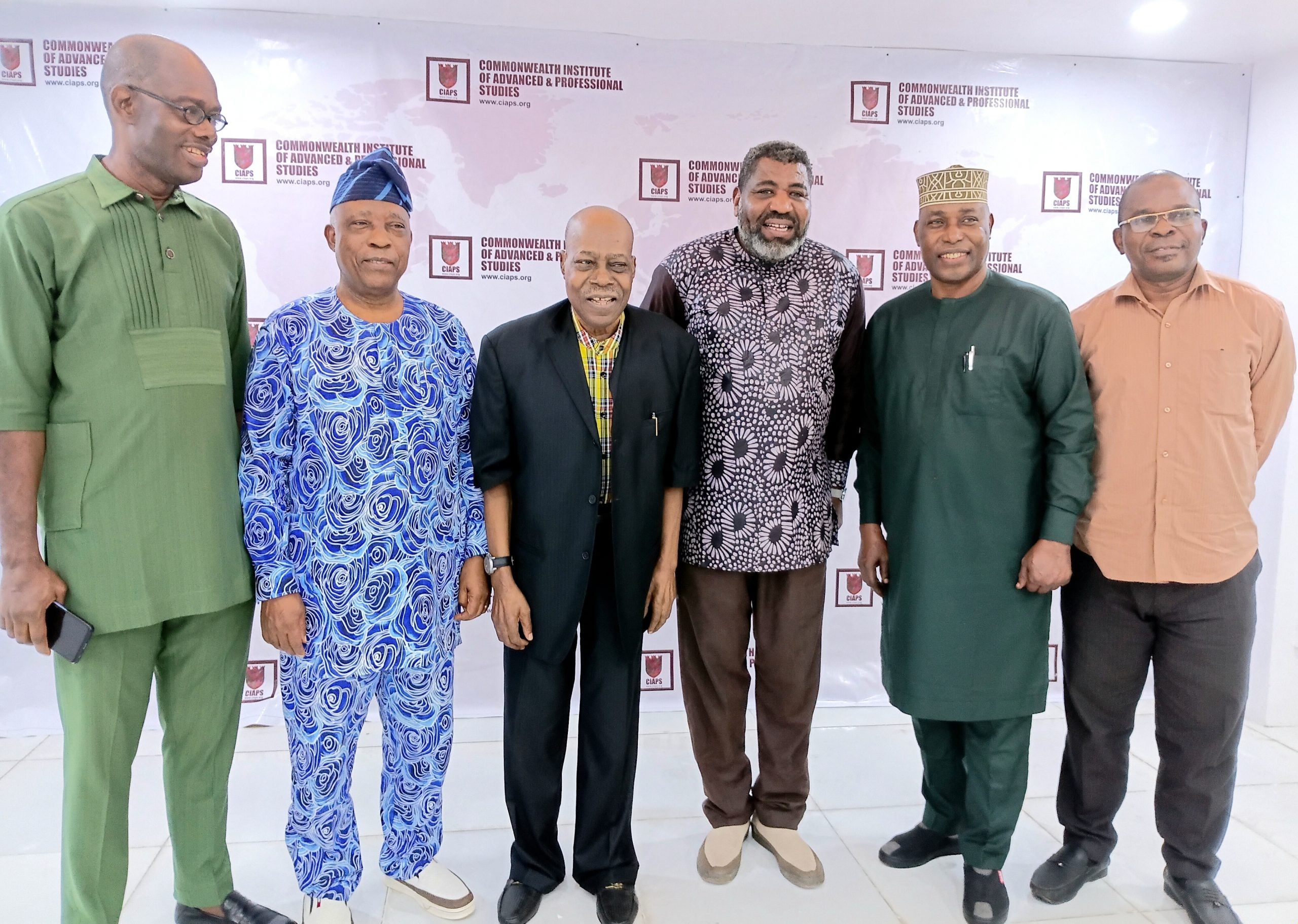
African Leaders Urged to Rethink Development Strategies
Roundtable in Abuja to Reassess South Africa's Relations
Africa's Leadership Challenges and Historical Legacy
Get Plus234Feed on messaging apps
Same headlines, delivered where you already scroll.


