

Tinubu's Economic Reforms: Progress and Challenges
The article focuses on the economic reforms initiated by President Bola Ahmed Tinubu's administration, particularly in response to a question posed by Zacch Adedeji, Executive Chairman of the Nigeria Revenue Service, regarding what the government can do differently. Key reforms include the removal of the petrol subsidy, substantial changes in the foreign exchange market, and an overhaul of tax administration.
The World Bank reports that Nigeria has made progress in restoring macroeconomic stability, with inflation easing and economic growth remaining robust, although household incomes have not fully recovered and poverty persists. The IMF supports this assessment, noting improvements in macroeconomic outcomes but highlighting severe conditions for many Nigerians.
Monthly Federation Account allocations have increased from around ₦700 billion to about ₦4.5 trillion, providing states with more fiscal capacity. Additionally, S&P Global Ratings upgraded Nigeria’s sovereign rating from B- to B, citing higher oil production and increased domestic refining capacity as contributing factors.
Plus234Feed summary based on reporting from Premium Times. Read the original report below.
Read full article
Continue on Premium Times
Enjoy this article?
Get the weekly Nigerian roundup — top stories, NPFL, naira. One email, Sunday morning.
Related Stories

Tinubu's Economic Reforms Drive Nigeria's Growth Forward
Tinubu's Economic Reforms Gain Support from Deloitte Africa
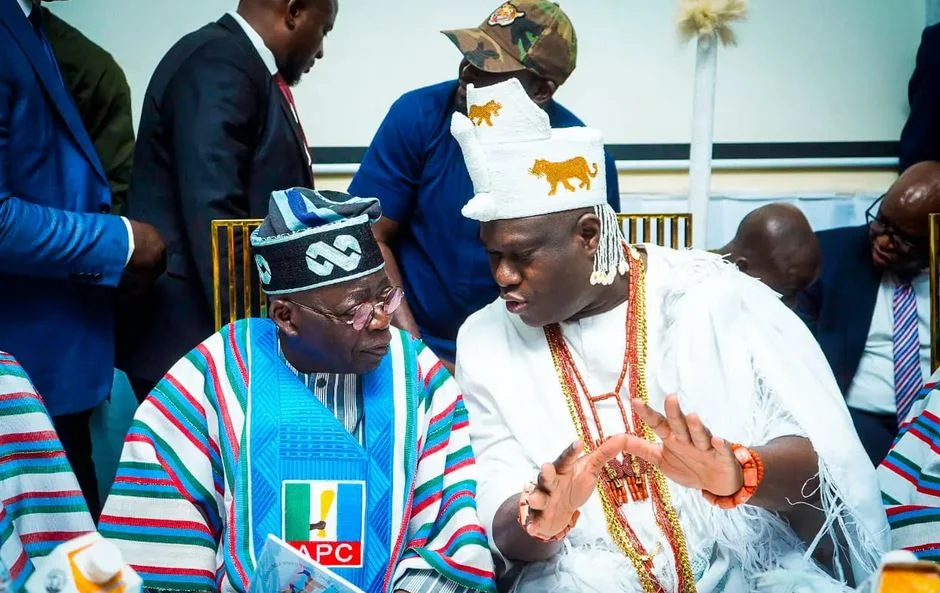
Ooni Praises Tinubu's Unprecedented Economic Reforms
Tinubu Focuses on Investment and Job Creation in Economy
Tinubu's Reforms Boost Local Manufacturers, Hurt Imports
Tinubu's Reforms Attract Foreign Investment Interest
Get Plus234Feed on messaging apps
Same headlines, delivered where you already scroll.


