

Religious Leaders Face Scrutiny Ahead of 2027 Elections

With the 2027 elections approaching, there is growing scrutiny over the involvement of religious scholars in politics, particularly Islamic scholars. Concerns have been raised about some scholars allegedly compromising their moral independence after receiving financial donations or political patronage.
The Nigerian Supreme Council for Islamic Affairs (NSCIA) and Jama’atu Nasril Islam (JNI) have cautioned clerics against partisanship and misinformation. Reports of a cleric praising politicians after receiving a ₦600 million donation have sparked public criticism.
Additionally, Sheikh Abdurrahman Abubakar Azzamfari disputed claims that northern Islamic scholars endorsed President Bola Tinubu’s re-election, stating they were not adequately consulted. Conversely, Sheikh Qaribullah Kabara publicly supported Tinubu’s administration during a visit by the APC Presidential Campaign Council, led by Senator Abdul’aziz Yari, claiming the sect believed Tinubu had a “Good Mission for Nigeria.” These events highlight the tension between religious authority and political influence, raising questions about the integrity of religious endorsements.
Plus234Feed summary based on reporting from This Day. Read the original report below.
Read full article
Continue on This Day
Get the week in one email
Top stories, NPFL results, the naira — every Friday morning. Free, one email a week.
Related Stories
Charismatic Bishops Conference Endorses Tinubu for 2027
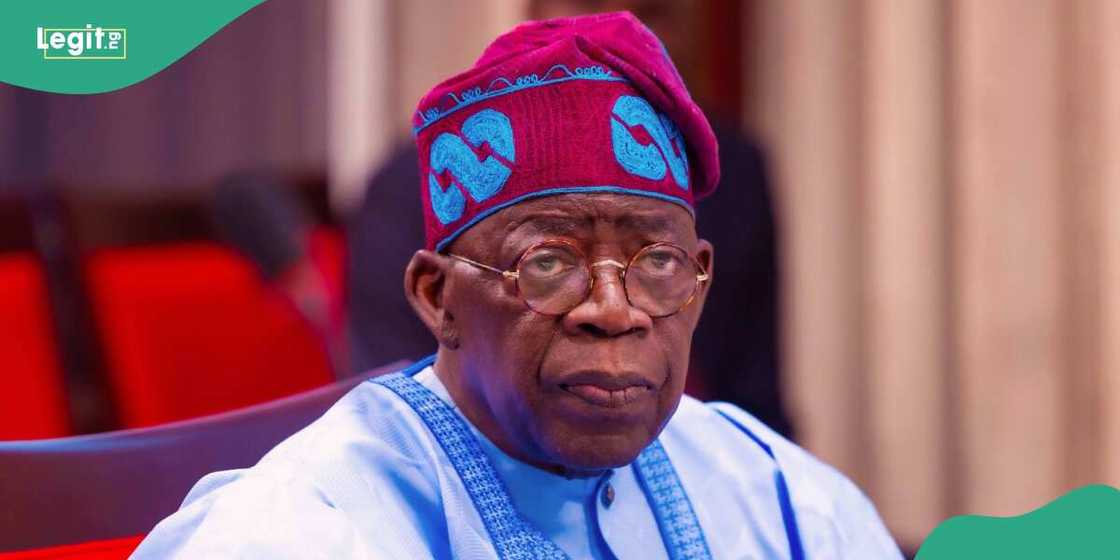
Islamic Scholars Endorse Tinubu for 2027 Elections
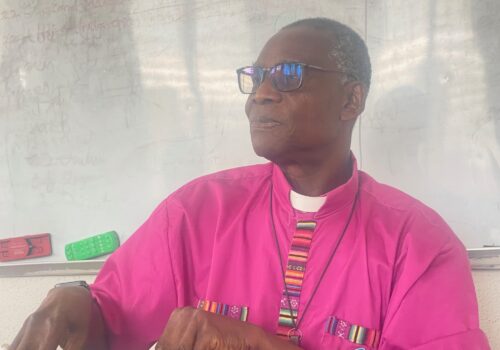
Bishop Idowu-Fearon Warns Religious Leaders on Elections
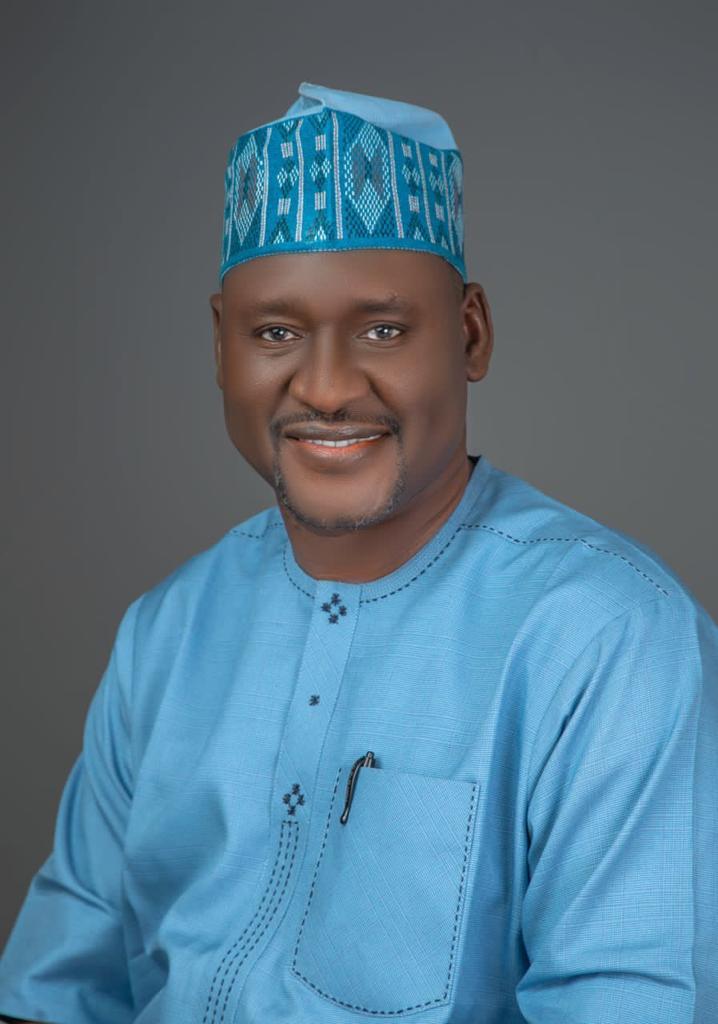
CISLAC Warns Against Religion's Role in Elections
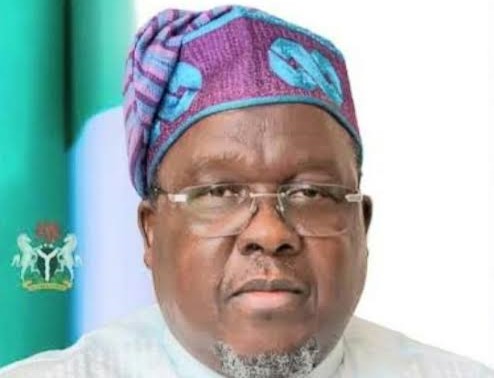
Over 500 Clerics Endorse Tinubu for 2027 Election
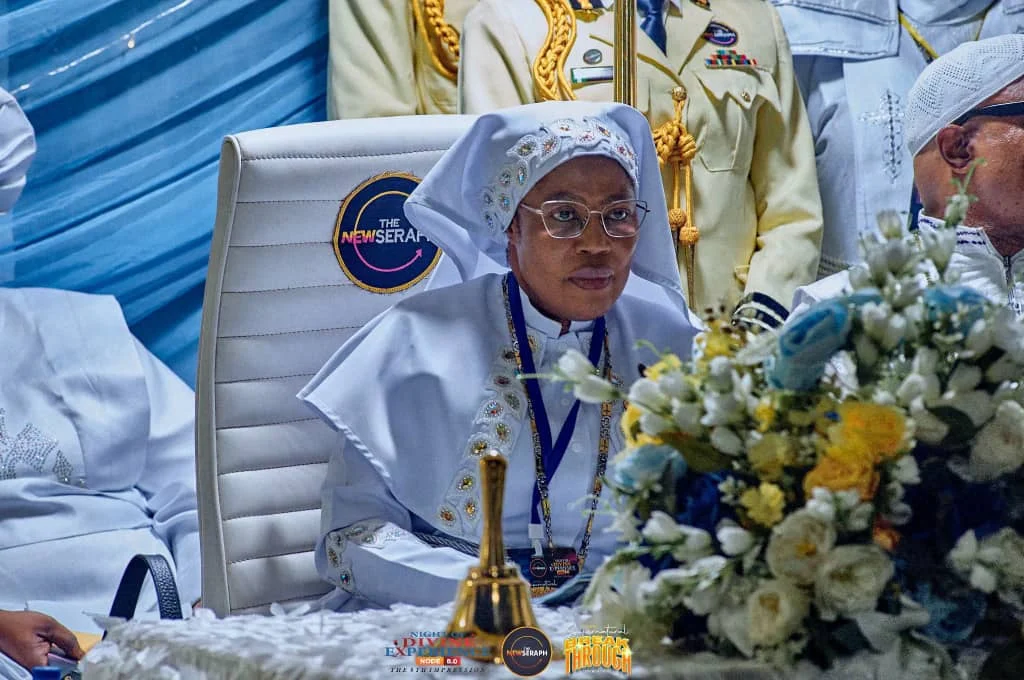
Cleric Urges Non-Partisanship Among Religious Leaders
Get Plus234Feed on messaging apps
Same headlines, delivered where you already scroll.


