

Lagos Flooding Crisis Deepens in 2026 Due to Climate Change

In 2026, Lagos is facing worsening flooding conditions attributed to several key factors. Meteorologists have warned that climate change is causing rainfall to become more unpredictable, with storms becoming heavier and occurring over shorter periods.
This results in downpours that overwhelm the city's drainage systems within minutes. Poor drainage remains a significant contributor to flooding, as many drains are clogged with plastic waste, sand, construction debris, and household refuse.
Despite regular government sanitation exercises, blocked drainage channels are common, particularly in densely populated neighborhoods. Additionally, rapid urban expansion, including new housing estates and commercial developments, has replaced wetlands that previously absorbed excess rainwater.
This construction reduces the city's natural ability to manage heavy rainfall, leading to increased runoff and flooding.
Plus234Feed summary based on reporting from Pulse. Read the original report below.
Read full article
Continue on Pulse
Enjoy this article?
Get the weekly Nigerian roundup — top stories, NPFL, naira. One email, Sunday morning.
Related Stories
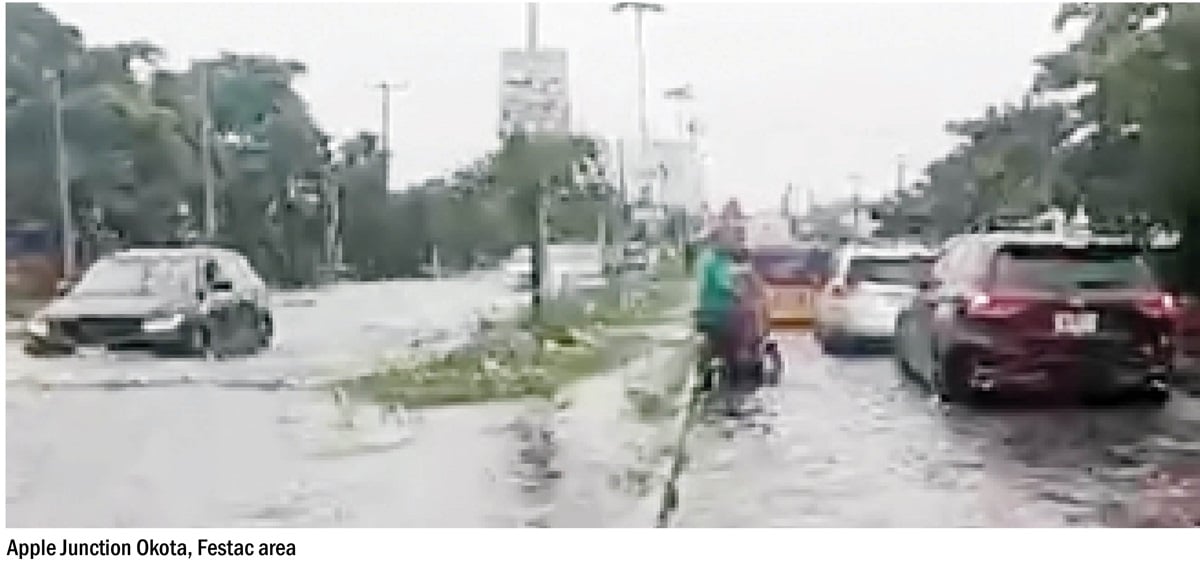
Lagos Residents Frustrated by Severe Flooding Issues
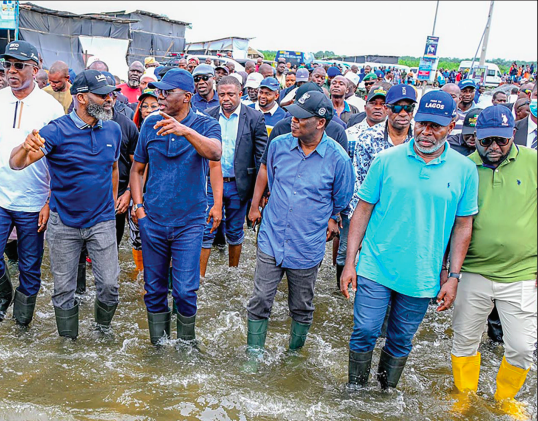
Lagos Flooding: Coastal Highway's Impact on Drainage
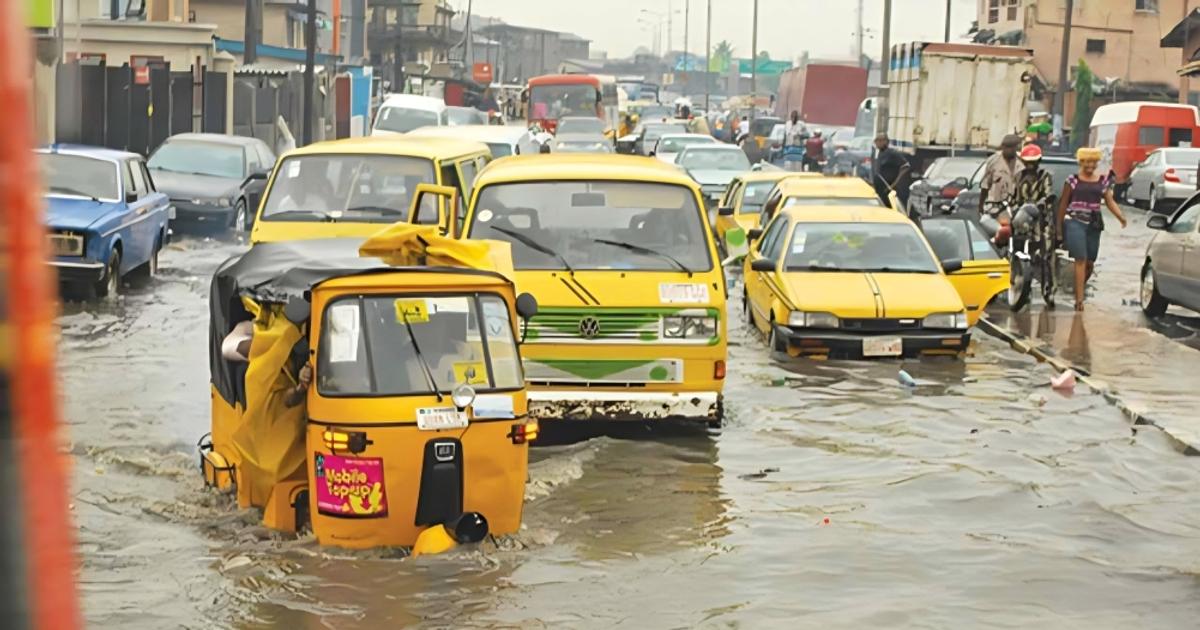
Seven Flood-Prone Areas in Lagos to Know Before Rainy Season
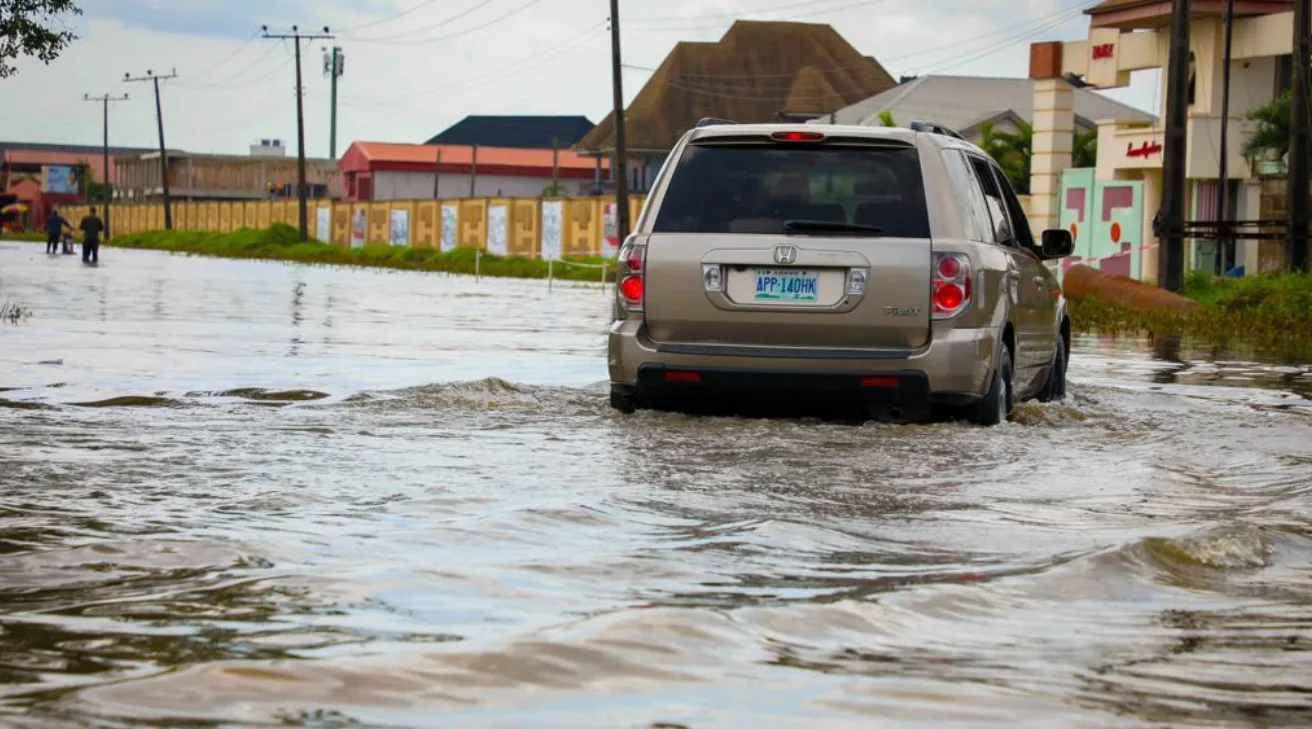
Lagos Residents Face Flooding and Rising Transport Costs

Lagos Blames Heavy Rainfall for Deteriorating Roads

Lagos Flooding Highlights Infrastructure Challenges
Get Plus234Feed on messaging apps
Same headlines, delivered where you already scroll.


