

Lagos Flooding: Coastal Highway's Impact on Drainage

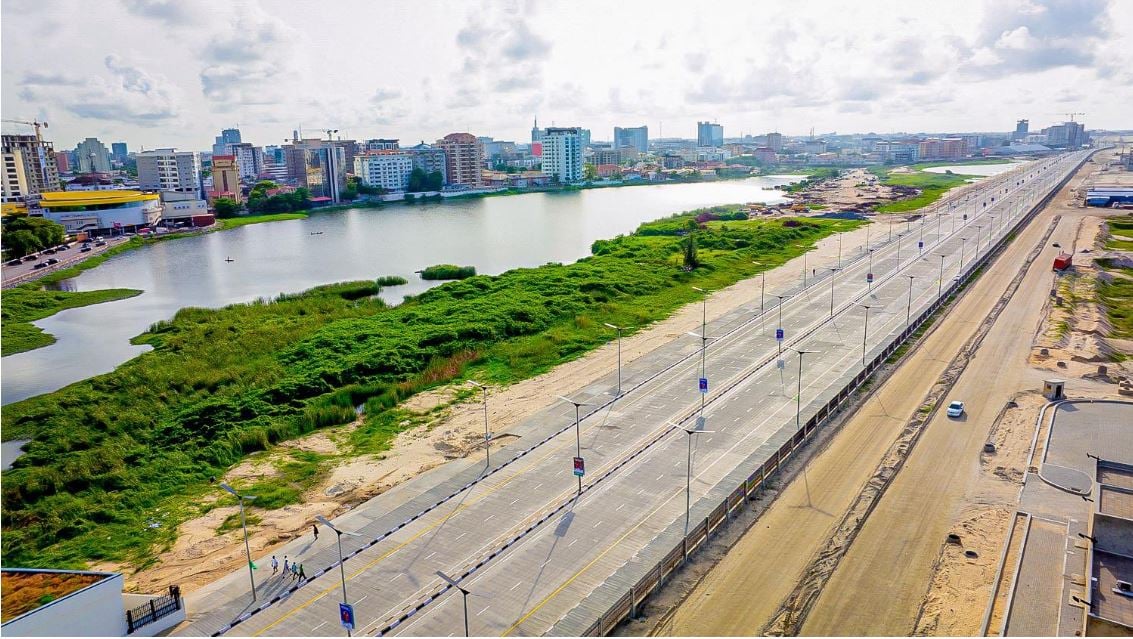
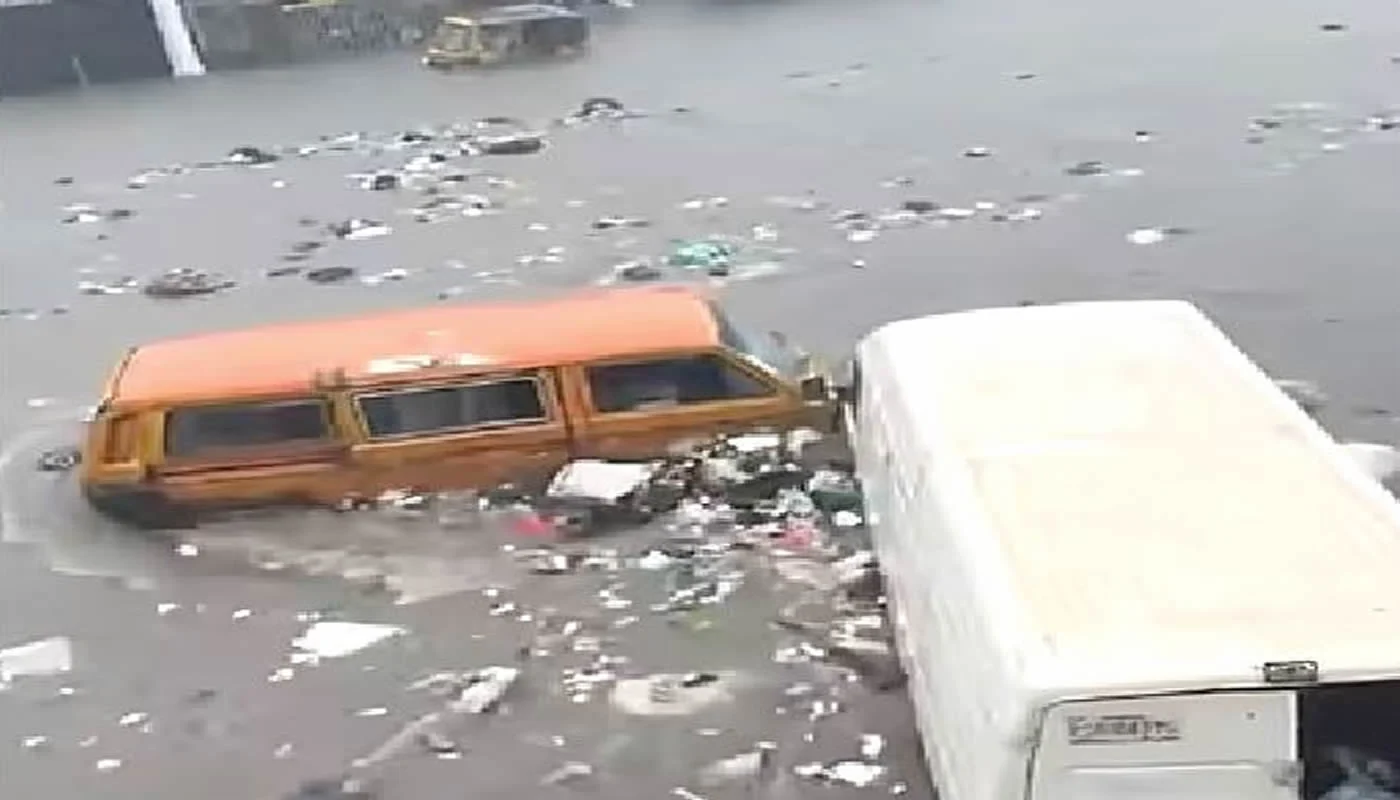
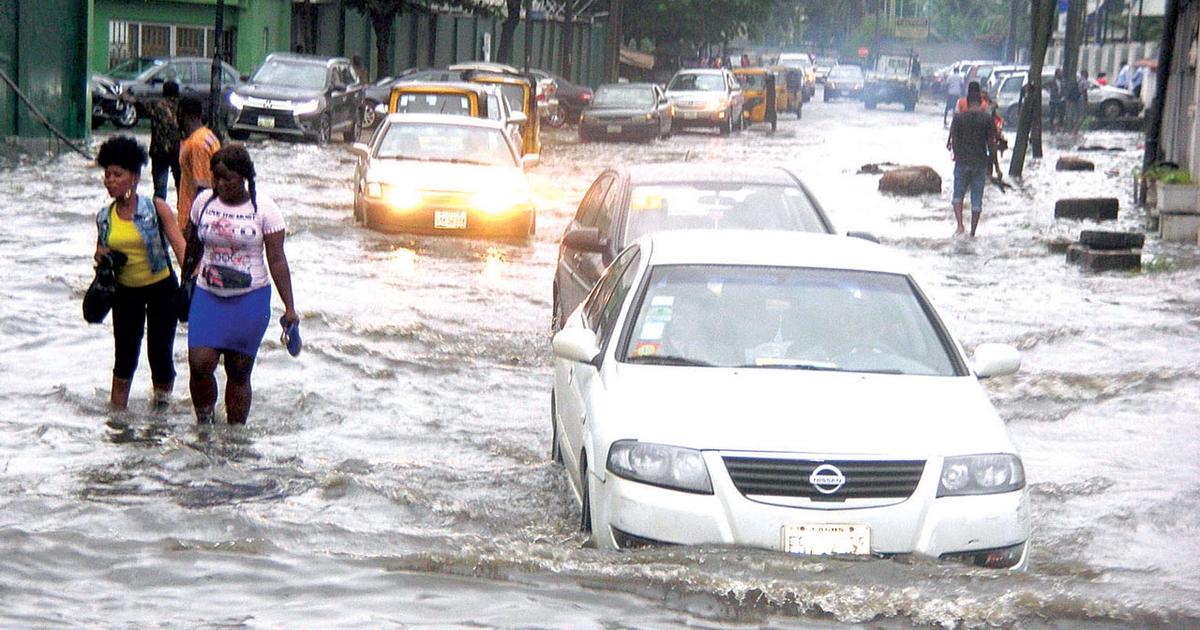
Lagos experiences persistent flooding, particularly in areas like Victoria Island, Lekki, and Ajah, attributed to its geographical position as a coastal city situated just above sea level. The construction of the coastal highway has intensified public debate about its role in exacerbating flooding, as social media amplifies concerns regarding drainage failures.
Climate change is identified as a significant factor, increasing rainfall intensity and sea levels, which complicates drainage systems' ability to manage stormwater effectively. The article emphasizes that flooding does not solely indicate drainage system failure; rather, it is influenced by broader hydrological dynamics and local construction activities that can temporarily alter drainage patterns.
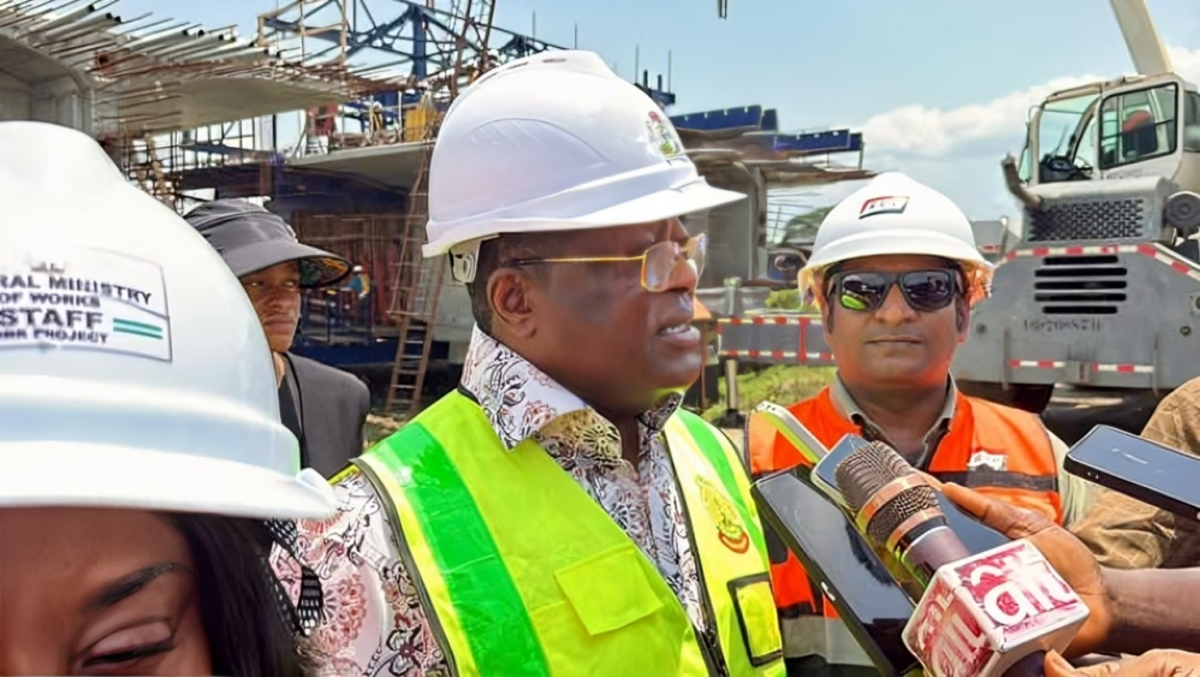
Environmental and social impact assessments (ESIA) are often misunderstood, as they do not guarantee zero environmental impact but rather aim to identify and manage potential impacts throughout construction and operation phases. The need for proper management of these assessments and construction activities is crucial to mitigate localized flooding issues.
Plus234Feed summary based on reporting from This Day. Read the original report below.
Read full article
Continue on This Day
Enjoy this article?
Get the weekly Nigerian roundup — top stories, NPFL, naira. One email, Sunday morning.
Related Stories
Lagos Stakeholders Demand Probe into Coastal Highway Flooding
Sanwo-Olu and Umahi Dismiss Coastal Highway Flood Claims
Umahi Addresses Flooding on Lagos-Calabar Highway Project
Lagos Flooding Crisis Deepens in 2026 Due to Climate Change

Sanwo-Olu Identifies Causes of Lagos Flooding Issues

Lagos Blames Heavy Rainfall for Deteriorating Roads
Get Plus234Feed on messaging apps
Same headlines, delivered where you already scroll.


