

Nigeria's Economic Reforms Yield Positive Results

Over the past three years, Nigeria has undergone significant economic reforms that have initially brought hardship but are now showing signs of recovery. Zacch Adedeji, the Executive Chairman of the Nigeria Revenue Service (NRS), stated that the country has moved beyond the most challenging phase of adjustment and is entering a period of consolidation.
Key macroeconomic indicators are improving, reflecting the impact of reforms initiated by President Bola Tinubu since May 2023. These reforms addressed long-standing structural weaknesses, including the removal of an unsustainable petrol subsidy and the unification of the foreign exchange market.
Tax collections have risen dramatically, from N12.3 trillion in 2023 to N21 trillion in 2024 and N28.3 trillion in 2025, with N27.1 trillion collected in the first eight months of 2026. The tax-to-GDP ratio also increased from 10.3% in 2023 to 13%.
These developments indicate a stronger economic foundation and a shift towards greater stability and resilience.
Plus234Feed summary based on reporting from This Day. Read the original report below.
Read full article
Continue on This Day
Enjoy this article?
Get the weekly Nigerian roundup — top stories, NPFL, naira. One email, Sunday morning.
Related Stories
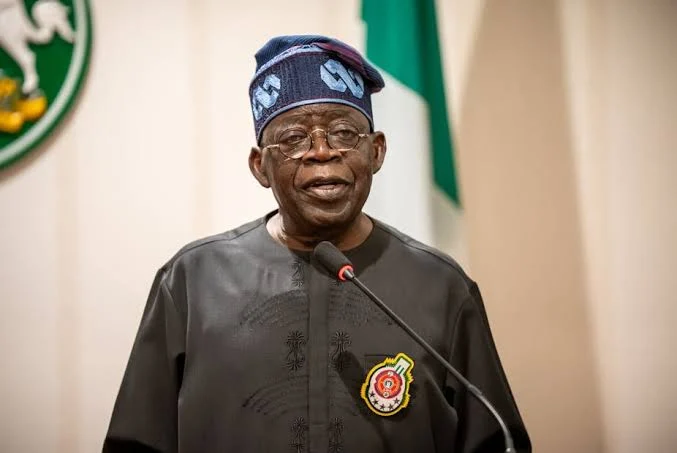
Tinubu: Nigeria's Economy Progressing Amid Reform Challenges

Nigeria's Economy Stabilizes, Focus Shifts to Productivity

Nigeria's Economy Shows Recovery After Key Reforms
Tinubu's Economic Reforms Gain Support from Deloitte Africa
Tinubu's Economic Reforms Boost Nigeria's Fiscal Health
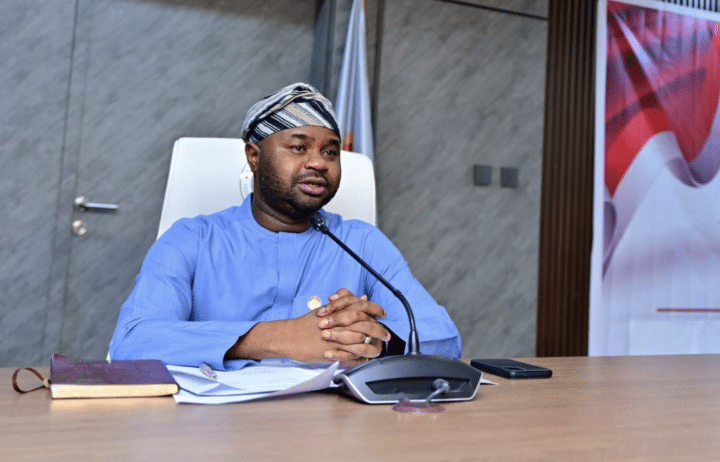
Nigeria's Economy Shows Strong Recovery, Says NRS Chairman
Get Plus234Feed on messaging apps
Same headlines, delivered where you already scroll.


