

Navigating Nigeria's Complex Economic Landscape for Investors

Nigeria's economic environment has become increasingly complex due to inflationary pressures, currency fluctuations, interest rate adjustments, and global uncertainties. The World Bank reports that Nigeria is set for its strongest economic growth in nearly a decade in 2024, driven by ongoing reforms and improved fiscal conditions.
However, inflation and exchange rate instability continue to shape investor sentiment. In 2025, Nigeria's fixed income market saw strong investor participation, with government securities becoming attractive as treasury bill yields increased.
The equity market experienced strong performance, particularly in bank and financial services stocks. Investors are urged to assess investment performance based on real returns, as inflation erodes purchasing power.
Traditional savings accounts with low yields are increasingly insufficient for long-term financial growth. Investors are encouraged to prioritize instruments that generate inflation-adjusted returns and to diversify portfolios across multiple asset classes to mitigate risks associated with Nigeria's volatile economy.
Plus234Feed summary based on reporting from This Day. Read the original report below.
Read full article
Continue on This Day
Get the week in one email
Top stories, NPFL results, the naira — every Friday morning. Free, one email a week.
Related Stories

Nigeria's Economic Fragility and Future Strategies Discussed
Nigeria's Stock Market Expected to Recover by 2026

Automated Wealth Tools to Combat Nigeria's Inflation

Nigeria's Capital Inflows: Speculation vs. Confidence
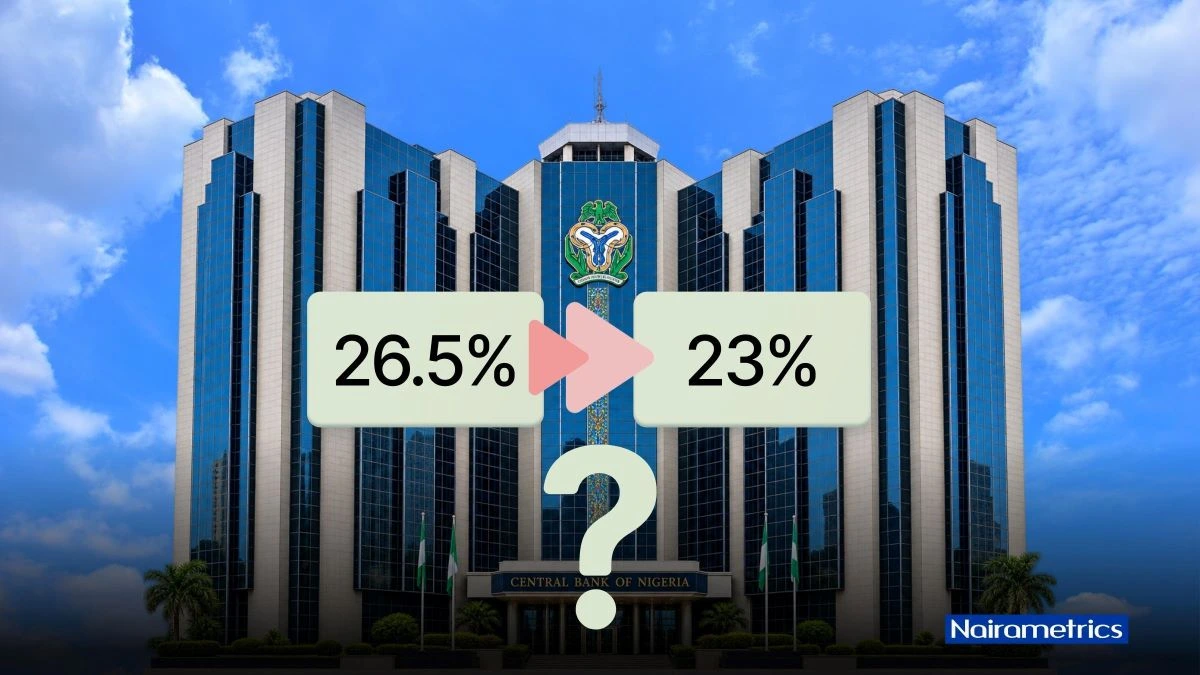
CBN Lowers Monetary Policy Rate to 23% Impacting Investments

NNPCL Lowers Petrol Prices in Lagos and Abuja
Get Plus234Feed on messaging apps
Same headlines, delivered where you already scroll.


