

Nigeria's 2026 Budget: N68.32 Trillion with Major Gaps

President Bola Ahmed Tinubu signed the N68.32 trillion Appropriation Act for 2026, marking a significant fiscal milestone for Nigeria. The budget reflects the government's commitment to sustaining economic reforms, expanding infrastructure, and strengthening security.
However, it raises fundamental questions regarding the realism of Nigeria's financial projections. The budget anticipates total expenditures of N68.32 trillion against expected revenues of N36.87 trillion, resulting in a financing gap of N31.45 trillion.
This gap indicates that the government plans to finance 53.9% of its expenditures through borrowing, leading to a projected fiscal deficit of 6.4% of GDP, which exceeds the 3% ceiling set by the Fiscal Responsibility Act. Analysts express concerns over the government's revenue projections, particularly given past underperformance in revenue collection.
The budget relies heavily on oil revenues, with assumptions of production at 1.84 million barrels per day and a benchmark price of $64.85 per barrel, which are subject to significant uncertainties. The government also seeks to enhance non-oil revenue through tax reforms, but analysts caution that immediate gains from these reforms may be limited.
Plus234Feed summary based on reporting from This Day. Read the original report below.
Read full article
Continue on This Day
Enjoy this article?
Get the weekly Nigerian roundup — top stories, NPFL, naira. One email, Sunday morning.
Related Stories

Nigeria's 2026 Budget Implementation Faces Serious Challenges
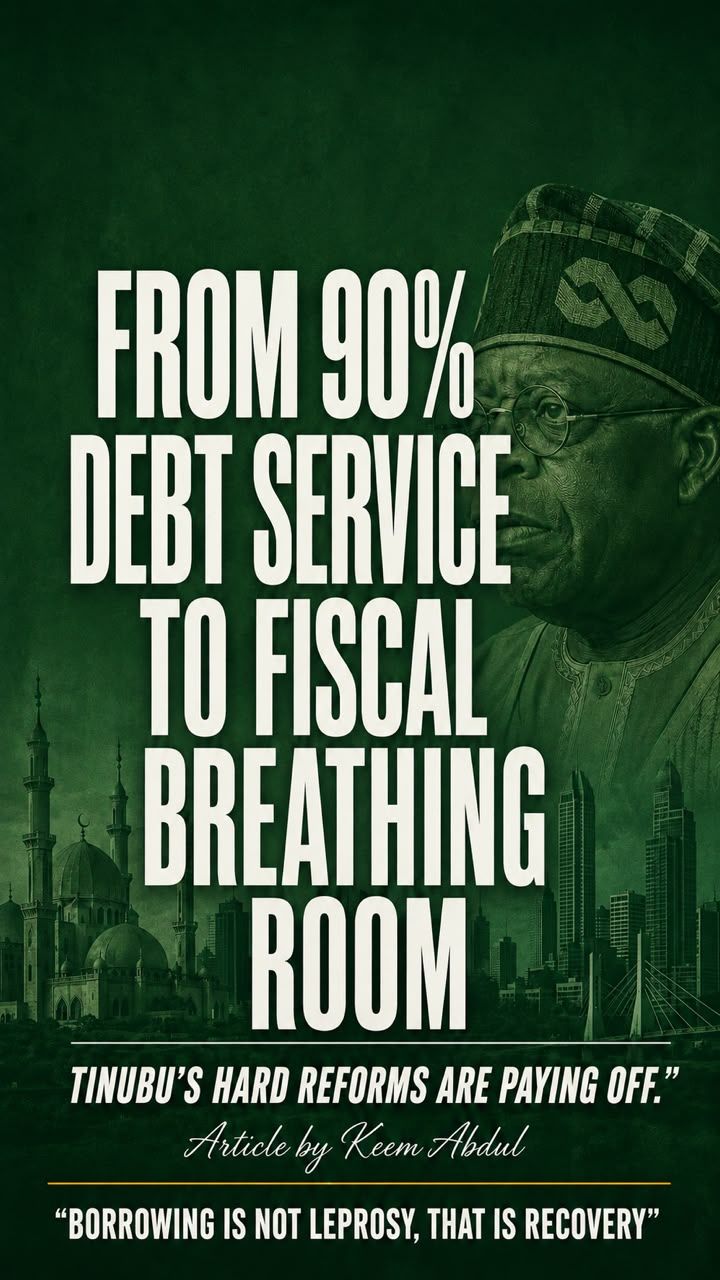
Tinubu's Reforms Aim to Triple Nigeria's Budget Revenue
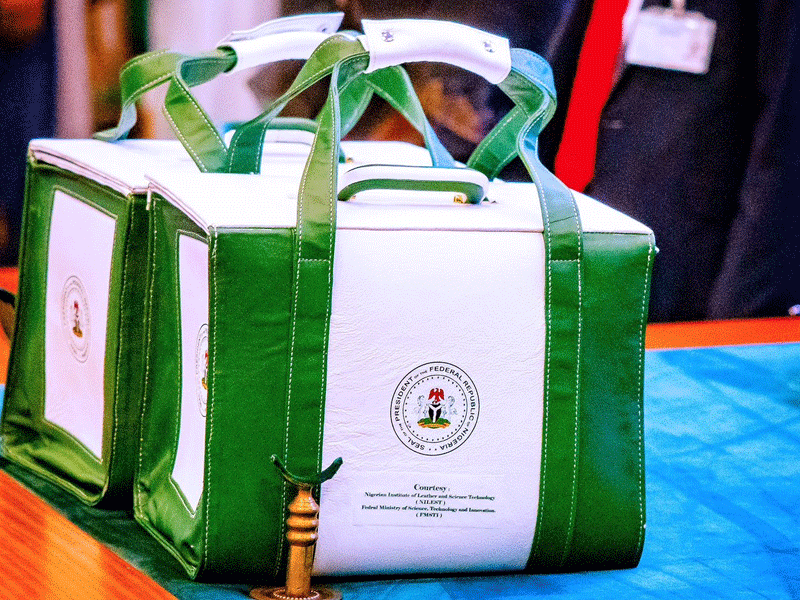
Nigeria's 2026 Budget Faces Scrutiny Over Allegations
FG and Manufacturers Collaborate to Lower Lending Costs
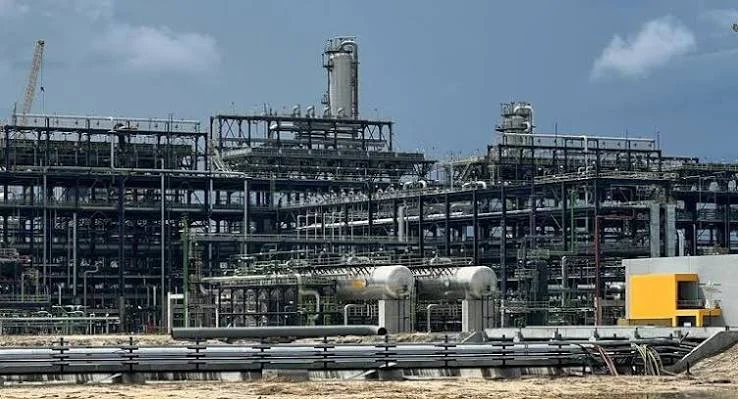
Petrol Prices Rise to N1,395/Litre After Dangote Hike
Rising Power Costs Threaten Nigeria's Hotel Industry
Get Plus234Feed on messaging apps
Same headlines, delivered where you already scroll.


