

Nigeria's Electoral Act 2026 Mandates Electronic Result Transmission

The recent amendment to the Nigerian Electoral Act 2026, signed by President Bola Tinubu, aims to ensure that every vote counts by mandating the electronic transmission of election results. This legislative change was influenced by ongoing concerns regarding the integrity of the electoral process, particularly following controversies during the 2023 elections when the INEC's iRev platform failed to function as expected, leading to allegations of result manipulation.
The amendment, supported by Senate President Godswill Akpabio, acknowledges the challenges posed by Nigeria's telecommunications infrastructure, which may hinder the immediate transmission of results from polling units. However, it emphasizes the need for transparency to rebuild public trust in the electoral system.
The law also reflects a broader demand from civil society and opposition parties for reforms that address historical issues of electoral malpractice. As Nigeria approaches the 2027 elections, the amendment is seen as a crucial step towards enhancing democratic participation and accountability.
Plus234Feed summary based on reporting from This Day. Read the original report below.
Read full article
Continue on This Day
Get the week in one email
Top stories, NPFL results, the naira — every Friday morning. Free, one email a week.
Related Stories

Nigeria's 2026 Electoral Act Signed to Enhance Democracy
Tinubu Signs New Electoral Act 2026 Amid Protests
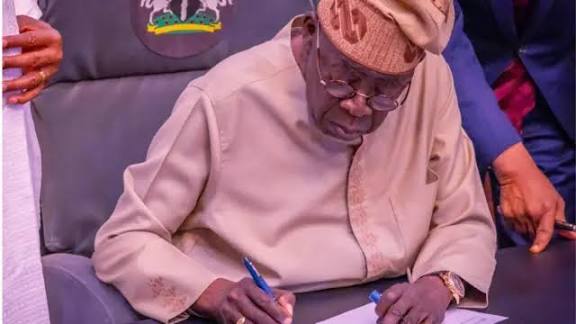
Tinubu Signs Electoral Act 2026 Amendment for Reforms
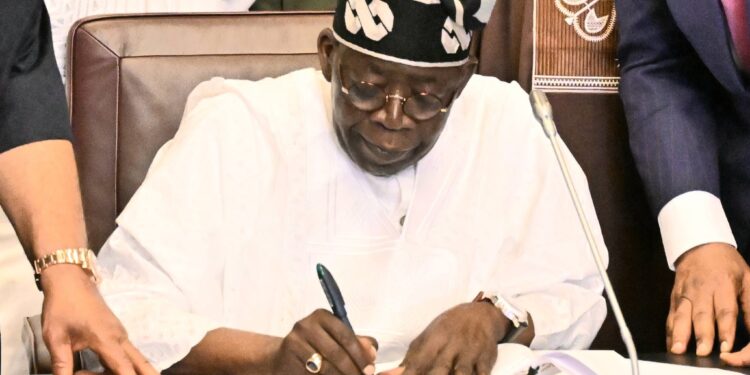
Tinubu Signs Electoral Act Amendment Ahead of 2027 Elections

Tinubu Signs Amended Electoral Act to Enhance Elections
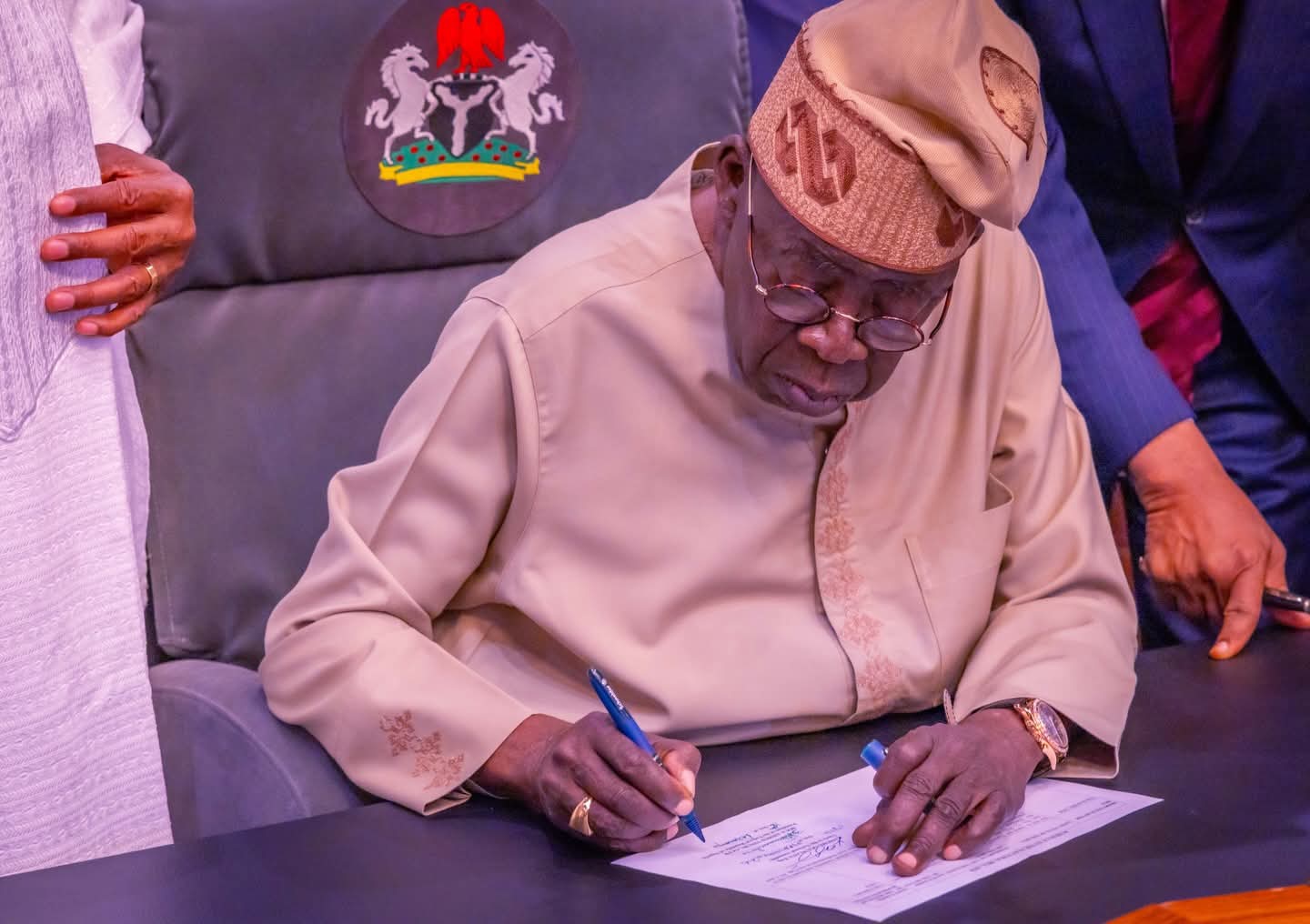
Tinubu Signs Electoral Act 2026 to Enhance Elections
Get Plus234Feed on messaging apps
Same headlines, delivered where you already scroll.


