

Improving Estate Surveying and Valuation in Nigeria

The article addresses the critical role of estate surveying and valuation in Nigeria's economy, as mandated by the Estate Surveyors and Valuers Registration Board of Nigeria Act. It identifies persistent gaps in the profession, including non-compliance with standards, undervaluation due to compulsory acquisition under Section 29 of the Land Use Act, and public distrust stemming from unethical practices.
The paper references Bartk Schwarz (2021) and Ayuthaya Swierczek (2014) to illustrate the impact of these issues on investment decisions and project delays. It calls for a theoretical framework to enhance the profession's effectiveness, aligning it with global best practices and Sustainable Development Goals (SDGs) such as poverty reduction and sustainable cities.
The need for curriculum reviews, stronger enforcement of ethical standards, and adherence to international valuation standards, such as the RICS Red Book, is emphasized to restore public confidence and improve market efficiency.
Plus234Feed summary based on reporting from This Day. Read the original report below.
Read full article
Continue on This Day
Get the week in one email
Top stories, NPFL results, the naira — every Friday morning. Free, one email a week.
Related Stories

AI's Transformative Role in Nigeria's Real Estate Sector

Estate Surveyors Urge Nigerians to Verify Property Managers

Managing Residential Properties: Insights from Estate Surveyors

Fraud and Poor Documentation Hinder Nigerian Property Investment
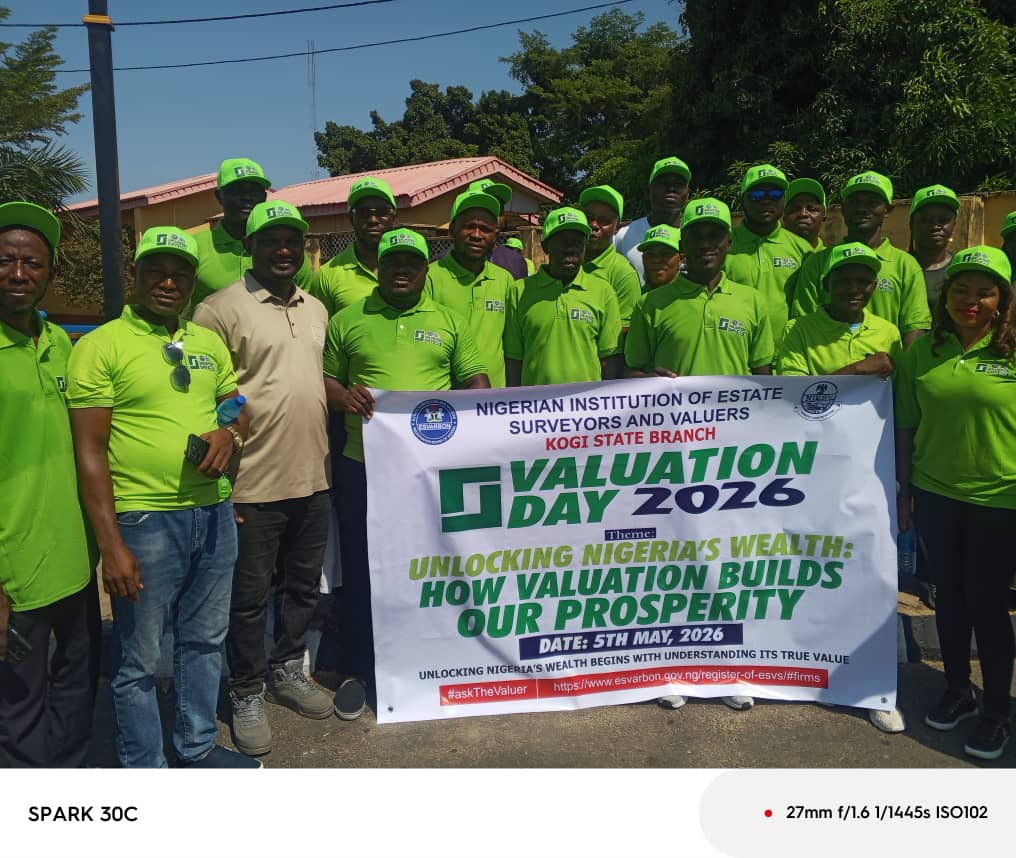
NIESV Urges Kogi to Unlock Economic Growth via Asset Valuation

Trust Deficit Hinders Diaspora Investment in Nigeria Real Estate
Get Plus234Feed on messaging apps
Same headlines, delivered where you already scroll.


