

Stakeholders React to Nigeria's New 12-Year Basic Education Model
Stakeholders in Nigeria are engaging with the Federal Government's newly proposed 12-year basic education model. The model aims to revamp the country's educational system by extending the basic education cycle from the current 9 years to 12 years.
This move is expected to enhance the quality of education and better prepare students for future academic pursuits or employment. The stakeholders' reactions are crucial as they will influence the implementation and success of this educational reform.
The Federal Government's initiative reflects a commitment to improving the educational sector in Nigeria, addressing key challenges, and aligning with global educational standards.
Plus234Feed summary based on reporting from Daily Trust. Read the original report below.
Read full article
Continue on Daily Trust
Get the week in one email
Top stories, NPFL results, the naira — every Friday morning. Free, one email a week.
Related Stories

Nigerian Government Bans Pre-Primary 6 Graduation Ceremonies, Orders Textbook Reuse
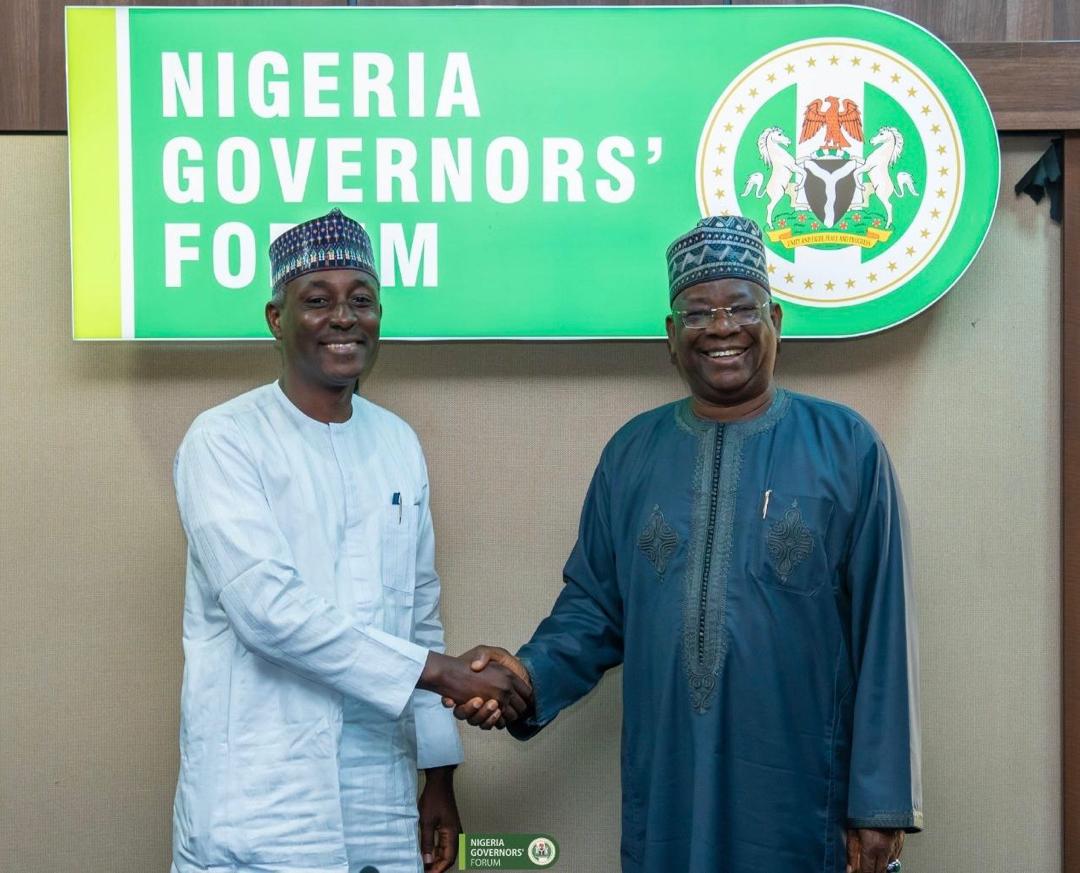
Nigerian Government, World Bank, and NGF Collaborate on Education and Healthcare Reforms

Nigerian Education Sector Stakeholders Expect Increased Security and Budget Support in 2026

Nigeria's FG Focuses on Almajiri Education Reform

Benue State Summit Aims for Zero Out-of-School Children
NSSEC Sets One-Year Deadline for Nigerian States to Meet New Senior Secondary School Standards
Get Plus234Feed on messaging apps
Same headlines, delivered where you already scroll.


