

Nigeria Diversifies Oil Trade Payments to Boost Economic Sovereignty

Nigeria, under the leadership of Bola Tinubu, is diversifying oil trade payments by incorporating local currency, marking a significant milestone in the country's economic strategy. This move follows a trend of reducing reliance on traditional reserve currencies like the Sterling Pound and US Dollar, demonstrating a proactive approach to global economic trends.
The decision aims to increase trade efficiency, reduce exchange rate risks, and enhance economic sovereignty by gaining control over its economic destiny. This strategic shift is expected to have far-reaching implications for Nigeria's economy, making trade transactions simpler and more cost-effective.
Plus234Feed summary based on reporting from This Day. Read the original report below.
Read full article
Continue on This Day
Get the week in one email
Top stories, NPFL results, the naira — every Friday morning. Free, one email a week.
Related Stories
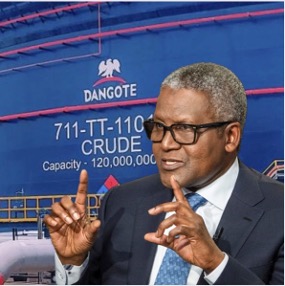
Dangote Refinery's Impact: Nigeria Shifts from Petroleum Imports to Local Production

Nigeria's Non-Oil Exports Surge to $4.5 Billion, Driving Economic Growth and FX Stability

CBN Reforms and Oil Price Surge Boost Nigeria's Foreign Exchange Outlook
Nigeria's Q2 2025 Current Account Surplus Hits US$5.28 Billion on Non-Oil Export Growth

Nigeria's Crude Oil Exports Generate ₦12.81 Trillion in Q3 2025
Nigeria's Non-Oil Exports Drive Economic Growth and Job Creation
Get Plus234Feed on messaging apps
Same headlines, delivered where you already scroll.


