

Nigeria's National Peace Accord: A Democratic Ritual?

Ahead of the 2027 elections in Nigeria, political parties and candidates have endorsed a National Peace Accord, committing to non-violence and issue-based campaigning. This initiative, facilitated by the National Peace Committee, marks the 30th peace accord since 2015.
However, the necessity for these repeated agreements raises questions about the advancement of democracy in Nigeria. The article argues that if politicians require ceremonial promises to behave democratically, it indicates a retreat into ritual rather than genuine democratic progress.
It suggests that political parties should embody distinct philosophies and visions rather than merely serve as vehicles for power. The situation is exemplified by Osun, where Governor Ademola Adeleke, after winning re-election, expressed gratitude to President Bola Tinubu for a fair electoral process, raising concerns about the dependency of electoral fairness on presidential restraint.
The article critiques the current political landscape, where coalitions often prioritize power over principles, undermining the essence of democratic competition.
Plus234Feed summary based on reporting from This Day. Read the original report below.
Read full article
Continue on This Day
Enjoy this article?
Get the weekly Nigerian roundup — top stories, NPFL, naira. One email, Sunday morning.
Related Stories
National Peace Accord Signed Ahead of 2027 Elections
Nigeria's Election Violence Claims 870 Lives Since 2015

Opposition Candidates Unite for 2027 Presidential Election
Adebayo Critiques 2027 Peace Accord as Meaningless
Peter Obi Signs Peace Accord for 2027 Elections
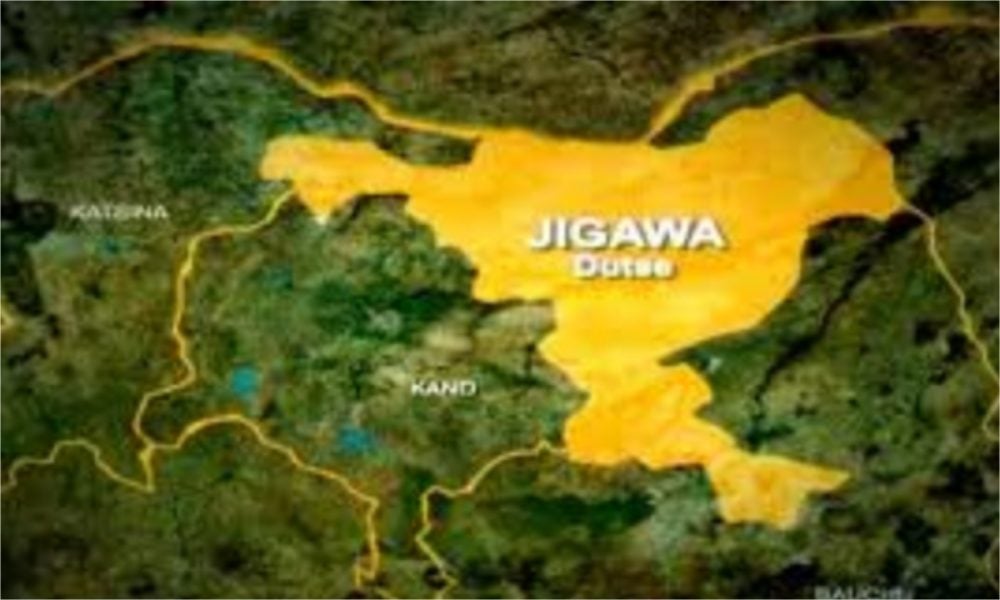
Jigawa Political Parties Sign Peace Accord for 2027 Elections
Get Plus234Feed on messaging apps
Same headlines, delivered where you already scroll.


