

Misinformation and Truth Crisis in Nigeria Ahead of 2027

The article addresses the phenomenon of misinformation and disinformation in Nigeria, particularly as it relates to a video involving Senator Adam Oshiomhole. Niran Adedokun notes that the video, which was poorly edited and attributed to a deepfake, has been used to undermine trust in authentic content.
This situation exemplifies the broader issue of "liar's dividend," where real wrongdoers can dismiss genuine evidence due to the prevalence of fake content. The Council of Europe identified three types of information disorder, with Nigeria being a significant focus.
The rise of deepfake technology complicates the public's ability to discern truth, leading to a crisis of accountability and trust in democratic institutions. Citizens face a dilemma of disengagement from the democratic process or clinging to partisan sentiments, ultimately eroding trust in the judiciary and media.
The article emphasizes the urgent need for forensic checks to restore confidence in the truth amidst a landscape increasingly dominated by misinformation.
Plus234Feed summary based on reporting from This Day. Read the original report below.
Read full article
Continue on This Day
Get the week in one email
Top stories, NPFL results, the naira — every Friday morning. Free, one email a week.
Related Stories
Deepfakes and Misinformation Threaten Nigeria's Democracy
Lies and Denial: A New Norm in Nigerian Politics
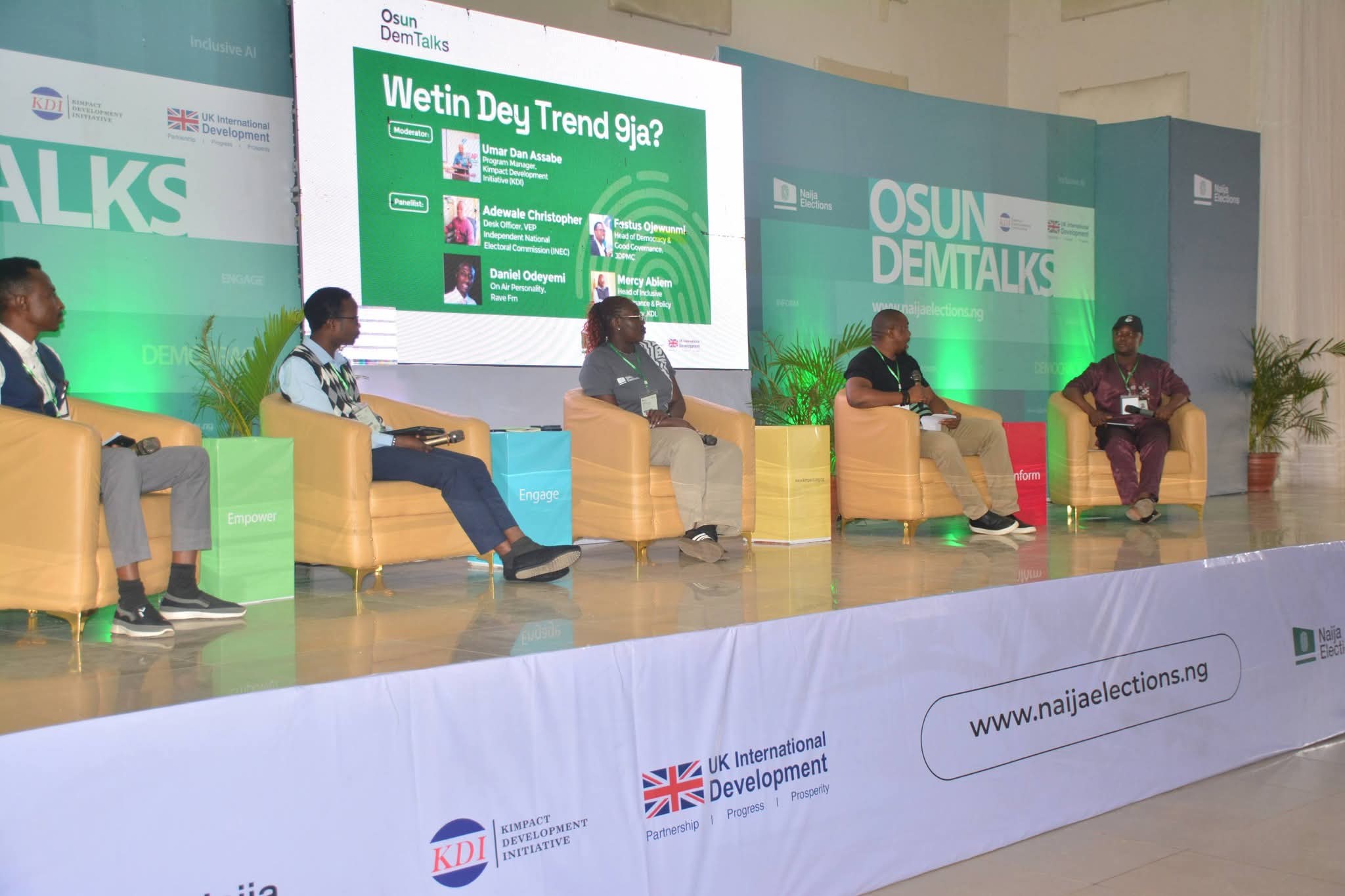
Challenges of Misinformation in Nigerian Elections Revealed by KDI Research
INEC Chairman Warns of Electoral Threats Ahead of 2027
Misinformation Threatens Nigeria's 2027 Elections Credibility
AI Disinformation Threatens Nigeria's 2027 Elections
Get Plus234Feed on messaging apps
Same headlines, delivered where you already scroll.


