
Uber's Exit from Nigeria Highlights Economic Challenges
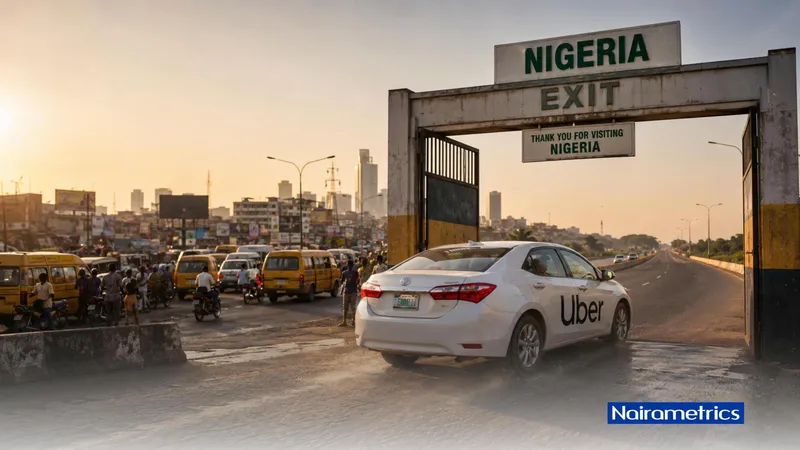
Uber announced its decision to exit Nigeria and Uganda following a thorough review of its operations, focusing on African markets where it can create more value for drivers. This move adds to a growing list of multinationals, including GSK, Procter & Gamble, Sanofi, Kimberly-Clark, Diageo, and Pick n Pay, that have exited or restructured their Nigerian operations since 2023.
The collective departures reveal a fundamental weakness in Nigeria's investment proposition, where a large population does not equate to a viable consumer market. Despite having over 200 million people, many Nigerians face severe income constraints, limiting their ability to afford services like Uber.
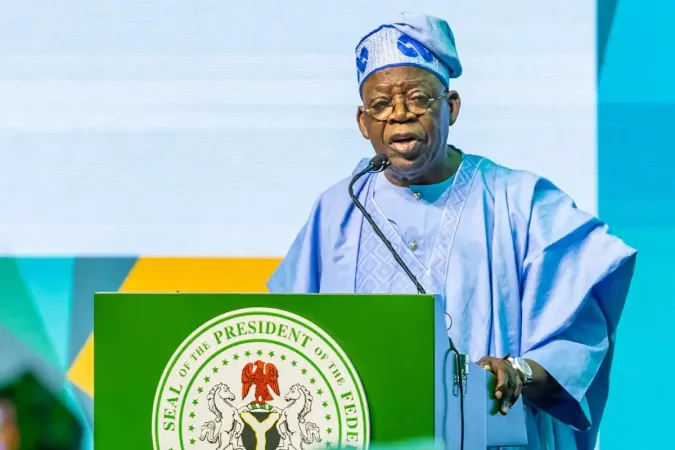
The country's economy is characterized by widespread poverty, high unemployment, and a cash-based system that restricts consumer spending. Uber's business model requires a robust middle class willing to pay for convenient transportation, which has been significantly impacted by economic conditions under President Bola Tinubu's administration.
Plus234Feed summary based on reporting from Nairametrics. Read the original report below.
Read full article
Continue on Nairametrics
Get the week in one email
Top stories, NPFL results, the naira, every Friday morning. Free, one email a week.
Related Stories

Uber Exits Nigeria After 12 Years Amid Economic Challenges

Uber to Exit Nigeria by September 2026 Amid Competition

Uber Exits Nigeria, Sparking Competition in Ride-Hailing

Uber Exits Nigeria After 12 Years Amid Startup Closures

Uber Exits Nigeria After 12 Years Amid Rising Costs

Uber Exits Nigeria After 12 Years Amid Restructuring
Get Plus234Feed on messaging apps
Same headlines, delivered where you already scroll.