

Nigeria Faces N75 Billion Loss from Infrastructure Vandalism

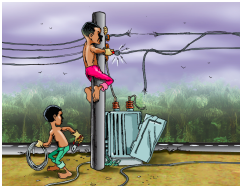
Vandalism of public infrastructure in Nigeria has become a severe issue, affecting all regions and leading to substantial financial losses estimated at N75 billion annually. The destruction includes dismantling railway tracks, stealing electric cables, and breaking into bridge piles.
This rampant vandalism causes prolonged power disruptions and safety hazards. Nigeria has several laws aimed at addressing this problem, including the Miscellaneous Offences Act (MOA), the Electricity Act of 2023, and the Petroleum Production and Distribution (Anti-Sabotage) Act.
The MOA prescribes penalties for willfully damaging public assets, with increased penalties for vandalism involving critical infrastructure like railways and power lines. The Electricity Act criminalizes the destruction of power generation and distribution facilities, while the Anti-Sabotage Act targets interruptions in petroleum production and distribution.
These laws are designed to protect Nigeria's critical infrastructure and mitigate the impact of vandalism on the economy.
Plus234Feed summary based on reporting from This Day. Read the original report below.
Read full article
Continue on This Day
Get the week in one email
Top stories, NPFL results, the naira — every Friday morning. Free, one email a week.
Related Stories

Alarming Rise in Public Infrastructure Theft in Abuja
Nigeria's Power Sector Faces Theft and Vandalism Crisis

EFCC and Police Form Committee to Combat Power Asset Vandalism
Pipeline Vandalism Threatens $20bn Gas Investments in Nigeria
Vandalism of Electricity Towers Costs Nigeria N8 Billion Monthly

Lagos Assembly Calls for Tougher Action Against Vandals
Get Plus234Feed on messaging apps
Same headlines, delivered where you already scroll.


