

Nigeria's Vehicle Tariff Cuts May Not Boost Lagos Imports

Nigeria has reduced the effective tariff on fully built passenger vehicles, Four Wheel Drive vehicles, and station wagons from 70% to 40% under its 2026 Fiscal Policy Measures, effective April 1, 2026. Additionally, the import levy on new vehicles has been cut from 20% to 10%, and on used vehicles from 15% to 5%, effective July 1.
However, industry operators, including Gbenga Omotosho, a clearing agent at Apapa Port, and Okechukwu Ibe, a car importer, express concerns that high clearance costs, port bottlenecks, and lengthy processing times will deter importers from using Lagos ports. Ajibola Adedoyin, National President of the Association of Motor Dealers of Nigeria, noted that the competitiveness of Lagos ports depends on the total cost of bringing a vehicle into Nigeria, including customs charges, storage, and transportation costs.
Vice President Kashim Shettima stated that cargo dwell time at Nigeria’s major ports averages between 18 and 21 days, compared to five to seven days in Ghana and about four days at Cotonou, highlighting the need for faster clearance processes to make vehicle imports more attractive.
Plus234Feed summary based on reporting from Nairametrics. Read the original report below.
Read full article
Continue on Nairametrics
Enjoy this article?
Get the weekly Nigerian roundup — top stories, NPFL, naira. One email, Sunday morning.
Related Stories

Key Costs for Car Importing in Nigeria 2026

Nigeria's Vehicle Imports Jump 146% to ₦1.18tn in H1 2026
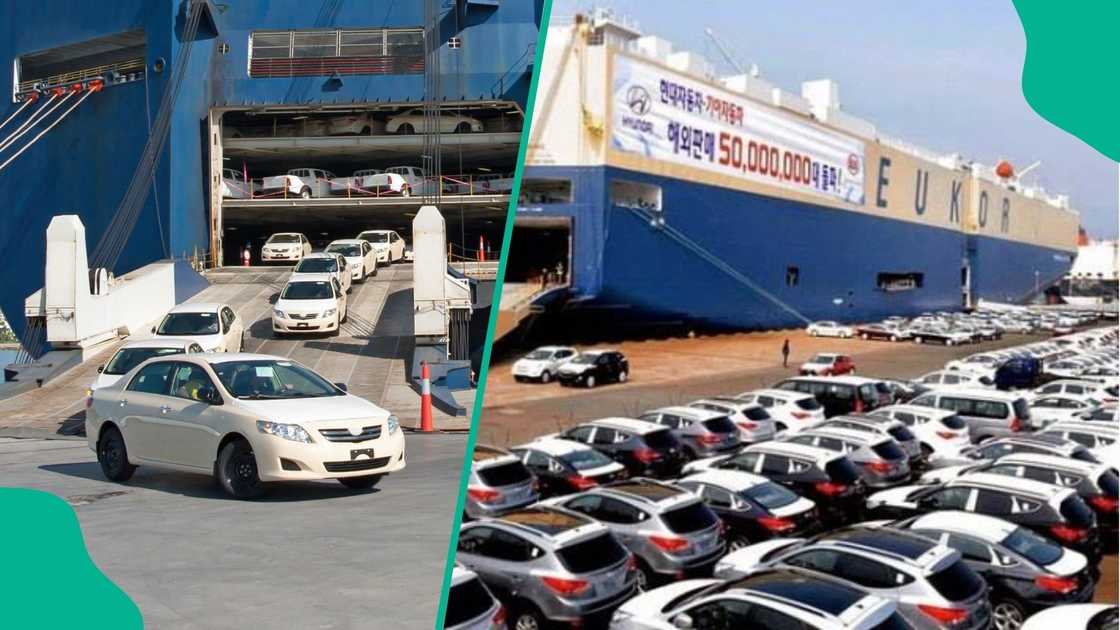
Affordable Tokunbo Cars with Low Clearing Costs in Nigeria

Nigeria's Maritime Hub Ambitions Hindered by Congestion

Nigeria's U.S. Vehicle Imports Hit $602M in 2026
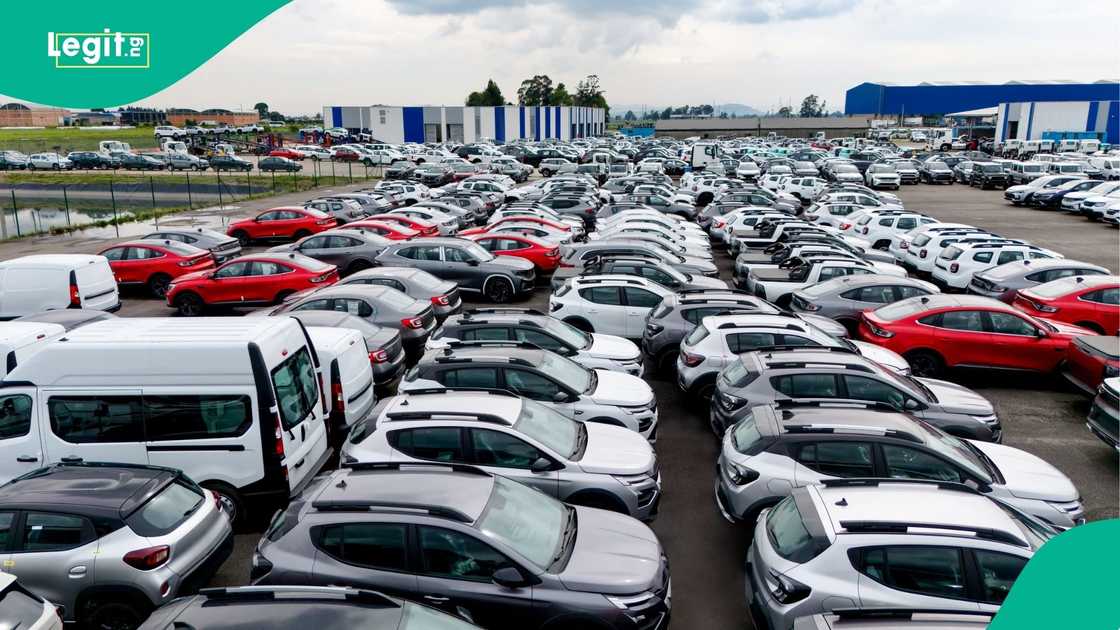
Nigeria's Car Imports Surge to ₦1.18 Trillion in 2026
Get Plus234Feed on messaging apps
Same headlines, delivered where you already scroll.


