

Nigeria's Maritime Hub Ambitions Hindered by Congestion

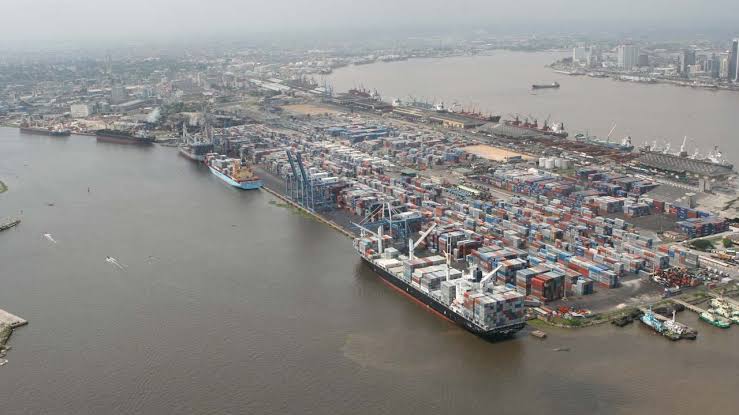
Alabi identifies port and terminal congestion as the primary economic bottleneck undermining Nigeria's maritime hub ambitions. In Lagos (Apapa/Tincan), the average cargo dwell time is 18–21 days, compared to 5–7 days in Ghana and four days in Cotonou.
This congestion leads to increased storage, demurrage, trucking, and financing costs, with Nigeria's logistics and clearance costs estimated to be about 30 percent higher than those of West African peers. Consequently, congestion and process delays can add 20–30 percent to the final landed cost of imports.
Nigerian operators face challenges such as high capital expenditure and limited access to dollar-denominated finance, compounded by regulatory uncertainty and competitive disadvantages against global carriers. The Nigerian Maritime Administration and Safety Agency's Cabotage Fund, intended to alleviate these issues, has not been effectively utilized.
Overall, Nigerian importers and exporters incur higher shipping-related charges than their counterparts in Ghana and Ivory Coast due to elevated port-side and inland costs.
Plus234Feed summary based on reporting from Punch Newspapers. Read the original report below.
Read full article
Continue on Punch Newspapers
Enjoy this article?
Get the weekly Nigerian roundup — top stories, NPFL, naira. One email, Sunday morning.
Related Stories

Nigerian Ports See 12.3% Cargo Increase in Q2 2026
Rising Cargo Clearance Costs Due to Port Corruption

Nigerian Ports See 12.3% Cargo Throughput Growth

Nigeria's Port Reforms Aim to Boost Maritime Efficiency
NSC Advocates for Faster Cargo Clearance at Nigerian Ports
NPA Reports 12.3% Cargo Growth in Q2 2026
Get Plus234Feed on messaging apps
Same headlines, delivered where you already scroll.


