

Nigeria's Livestock Minister Addresses Rising Protein Prices

The Federal Government of Nigeria has indicated that prices for meat, milk, eggs, and other animal-source proteins are expected to remain high due to the country's low-productivity livestock system. Idi Maiha, the Minister of Livestock Development, explained during a ministerial press briefing in Abuja that Nigeria's animal husbandry practices, the poor genetic potential of indigenous breeds, and the long-distance movement of cattle are significant factors limiting production.
Although Nigeria has approximately 50 million cattle, this number does not equate to sufficient meat or milk due to low productivity. Indigenous cattle take five to six years to mature for slaughter, yielding carcass weights of about 400 kilograms, while improved breeds can reach weights of 300 to 600 kilograms in about 30 months.
In dairy production, indigenous cows produce only 1.2 to two liters of milk daily, compared to 30 to 50 liters from improved breeds. Maiha emphasized the need for genetic improvement as a priority for the newly established Ministry of Livestock Development.
Plus234Feed summary based on reporting from Blueprint. Read the original report below.
Read full article
Continue on Blueprint
Enjoy this article?
Get the weekly Nigerian roundup — top stories, NPFL, naira. One email, Sunday morning.
Related Stories
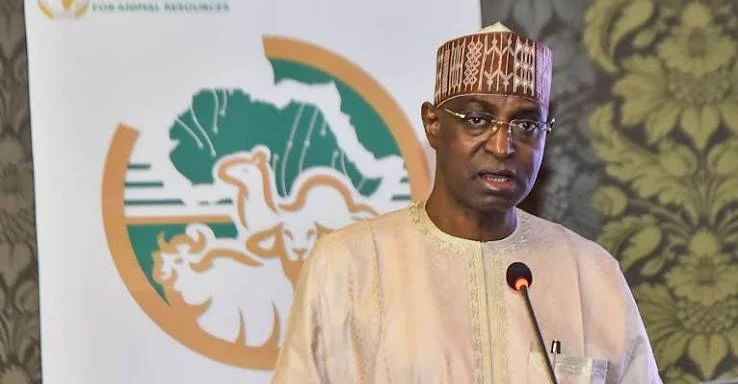
Nigeria Launches Livestock Centres to Boost Economy

Nigeria Targets $1.5bn Milk Import Reduction via Grazing Reserves
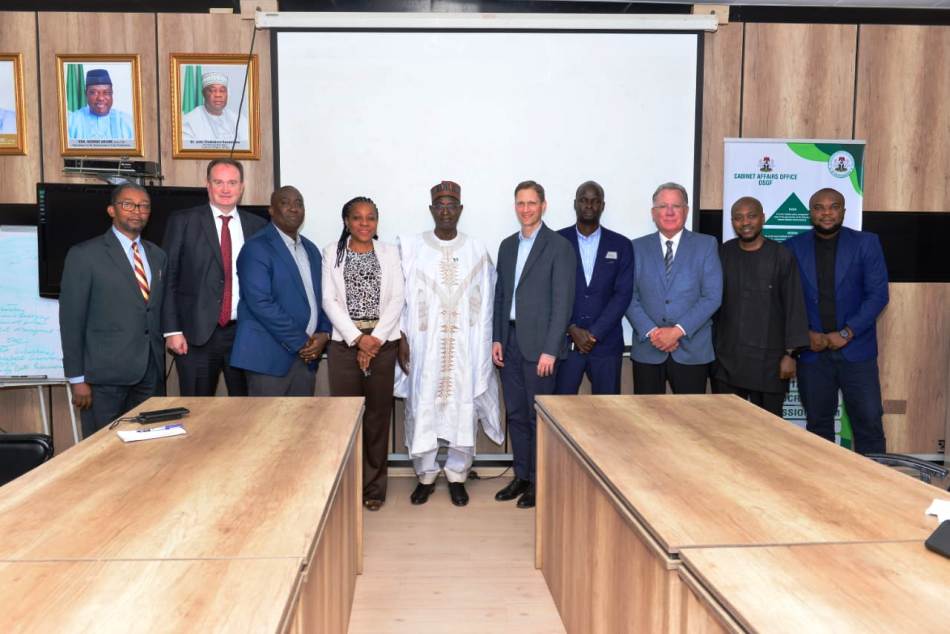
Nigeria and U.S. Collaborate to Enhance Livestock Sector
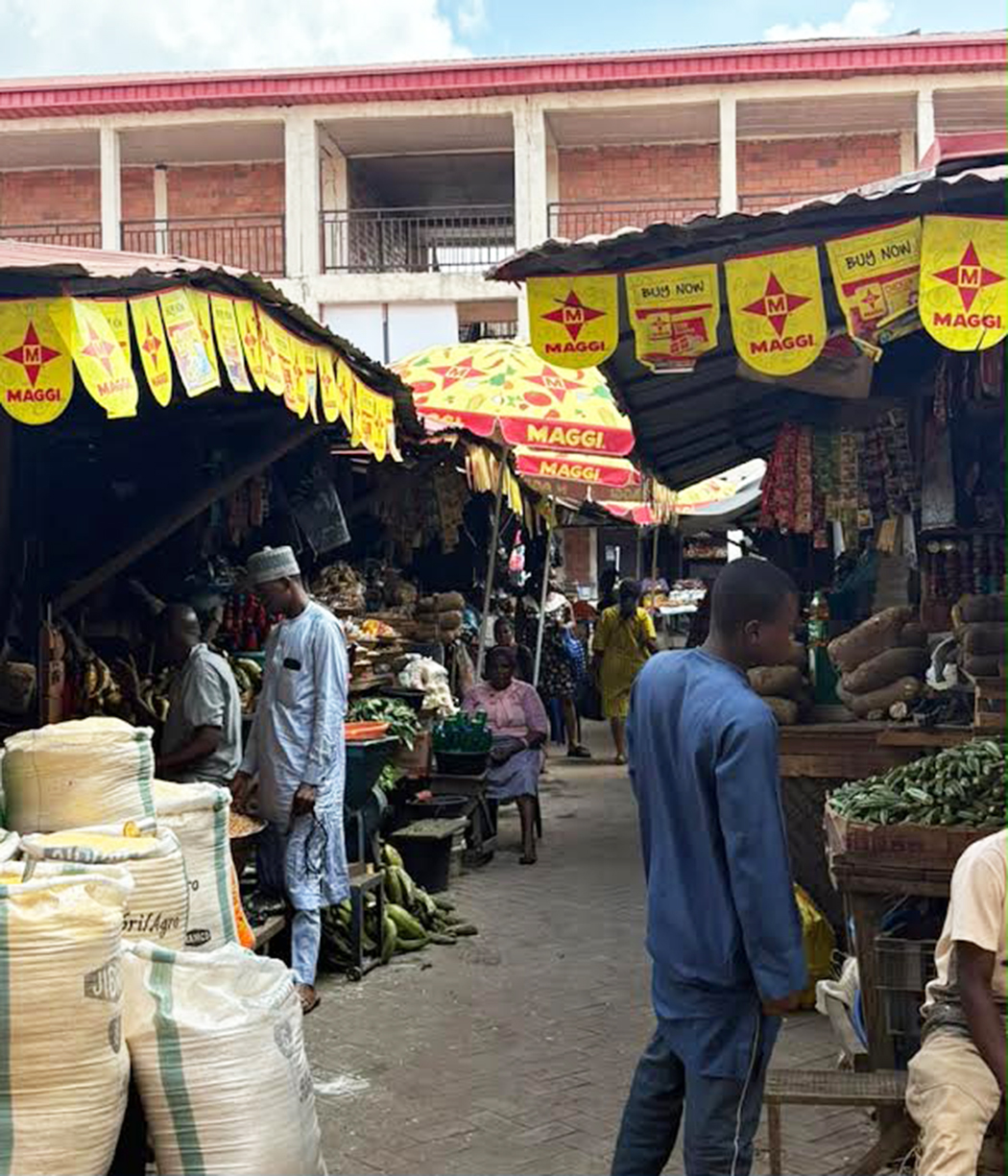
Rising Food and Transport Costs Strain Nigerian Households
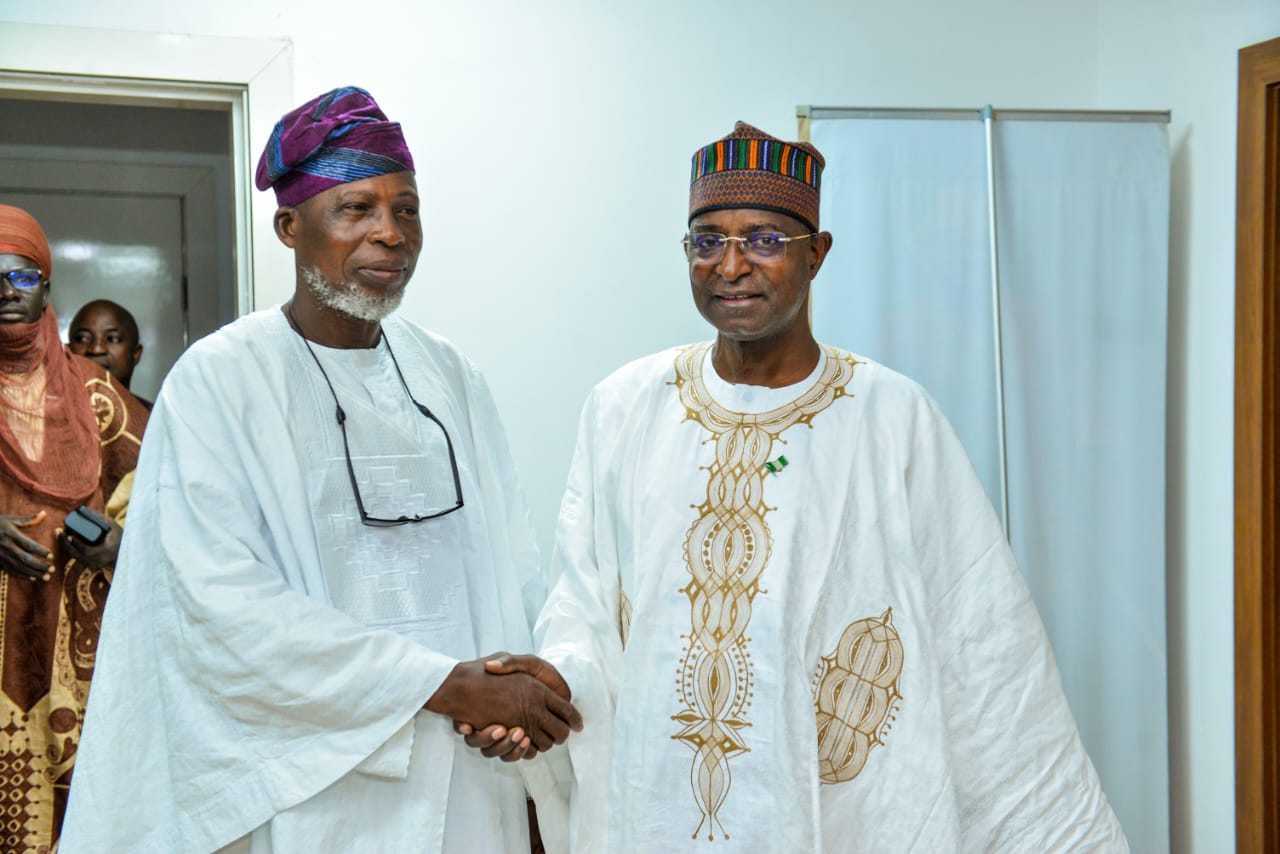
FG Partners with Butchers to Modernize Nigeria's Abattoirs

Nigeria's Dairy Sector Faces $1.5bn Import Challenge
Get Plus234Feed on messaging apps
Same headlines, delivered where you already scroll.


