

Tinubu's Presidency: Reforms and Economic Challenges
Bola Tinubu's presidency, which began on May 29, 2023, has ignited discussions regarding his potential to be Nigeria's best president. His administration has undertaken ambitious political reforms, notably the removal of fuel subsidies, which has resulted in increased fuel prices and significant hardship for households and businesses.
The government estimates that previous subsidy spending could be redirected towards infrastructure and social programs. However, critics argue that the removal of subsidies was poorly sequenced and lacked a robust social safety net.
Additionally, Tinubu's administration unified the naira exchange rate, which has led to a sharp depreciation of the currency and increased inflation, impacting the purchasing power of ordinary Nigerians. Despite these challenges, government officials report improvements in foreign reserves and investor confidence.
Tinubu also supports constitutional amendments to allow state police, aiming to address local security challenges, although concerns about potential abuse of power remain.
Plus234Feed summary based on reporting from The Authority. Read the original report below.
Read full article
Continue on The Authority
Get the week in one email
Top stories, NPFL results, the naira — every Friday morning. Free, one email a week.
Related Stories
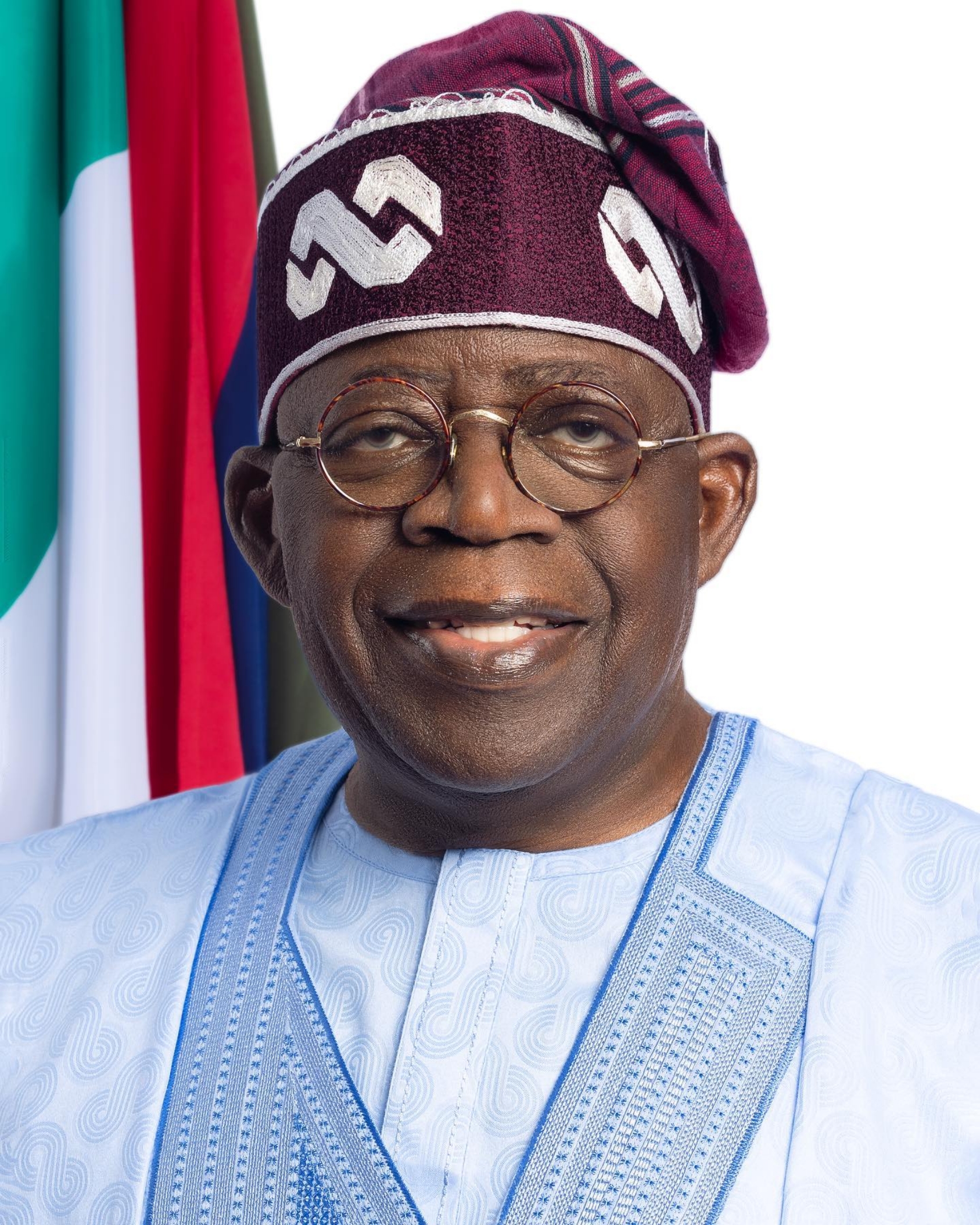
Tinubu's Economic Reforms Aim to Transform Nigeria
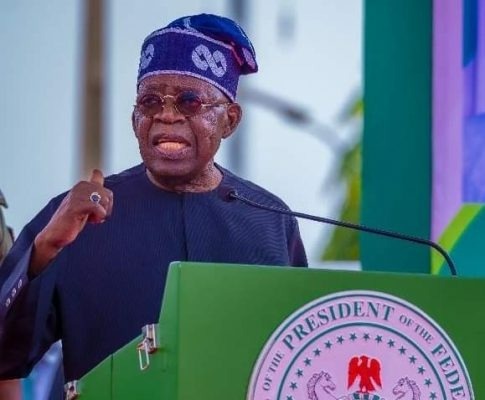
Tinubu Confident Nigeria Will Overcome Current Challenges
Tinubu's Administration Defends Governance Amid Criticism
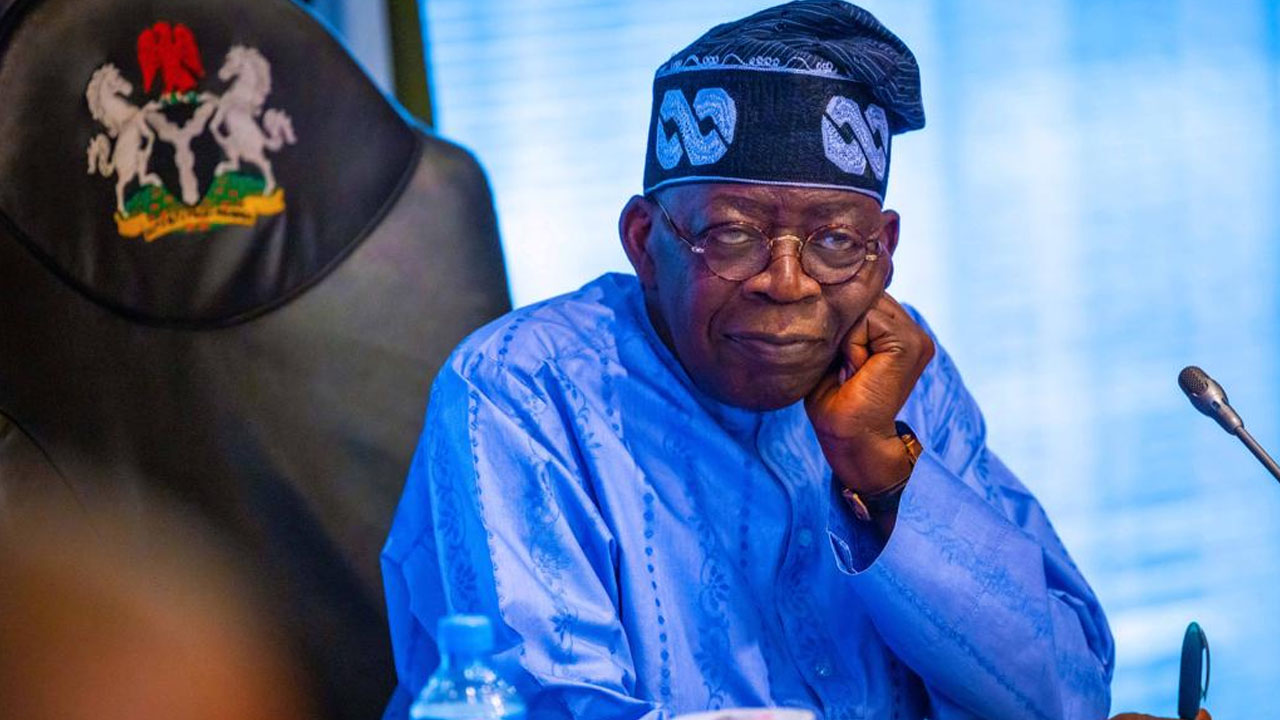
Tinubu Faces Economic and Security Challenges in Nigeria
Tinubu's Administration Achieves Key Security Milestones
Ooni Praises Tinubu's Unprecedented Economic Reforms
Get Plus234Feed on messaging apps
Same headlines, delivered where you already scroll.


