

Nigeria Marks 27 Years of Civilian Rule Amid Challenges

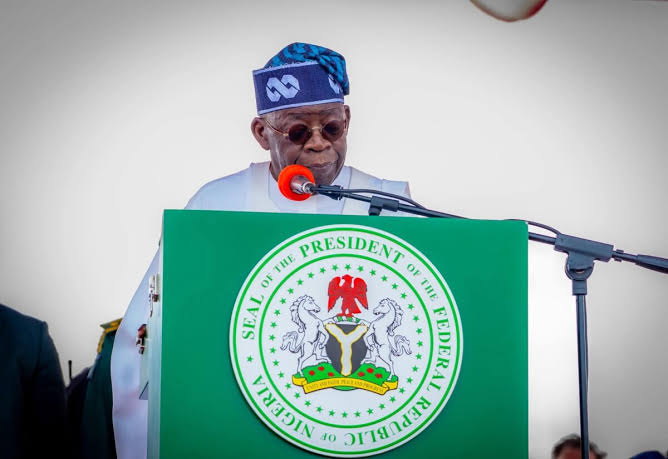
On May 29, 2023, Nigeria commemorated 27 years of uninterrupted civilian rule, the longest since independence in 1960. President Bola Tinubu expressed the government's commitment to strengthening democratic governance and promoting national unity.
He urged citizens to unite against terrorism, banditry, and kidnapping, emphasizing that the fight against insecurity cannot be left solely to the government. Despite acknowledging progress, Tinubu recognized the ongoing economic hardships faced by Nigerians, including soaring inflation and the controversial removal of fuel subsidies.
The federal government's optimistic stance contrasts with widespread insecurity and public dissatisfaction, particularly following incidents of abductions in Oyo, Borno, and Kogi states. The history of Nigeria's democracy, marked by military rule and brief republics, raises questions about the true dividends of democracy as citizens grapple with insecurity and economic challenges.
The transition to the Fourth Republic began on May 29, 1999, under the leadership of retired General Abdulsalami Abubakar, followed by President Olusegun Obasanjo.
Plus234Feed summary based on reporting from This Day. Read the original report below.
Read full article
Continue on This Day
Get the week in one email
Top stories, NPFL results, the naira — every Friday morning. Free, one email a week.
Related Stories

Nigeria Marks 27 Years of Unbroken Democracy
Tinubu Marks Democracy Day with Key Announcements

Leaders Warn of Democratic Backslide on Democracy Day
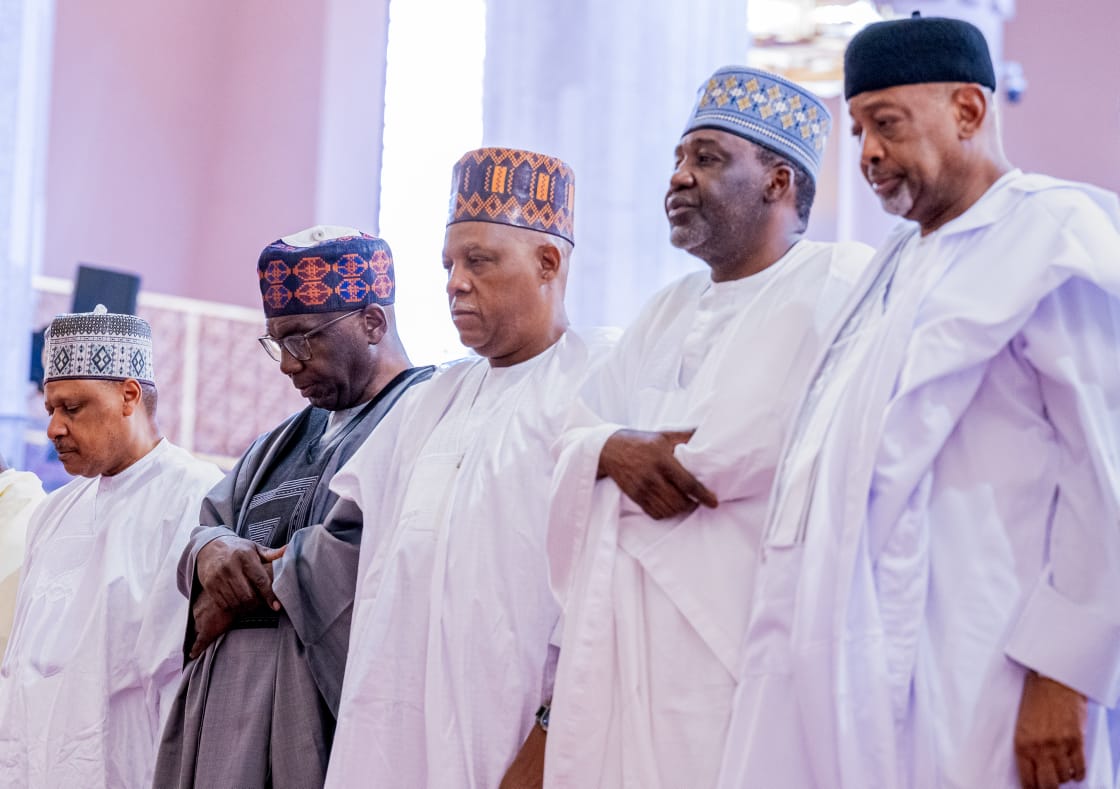
Nigeria Celebrates 27th Democracy Day with Unity Focus
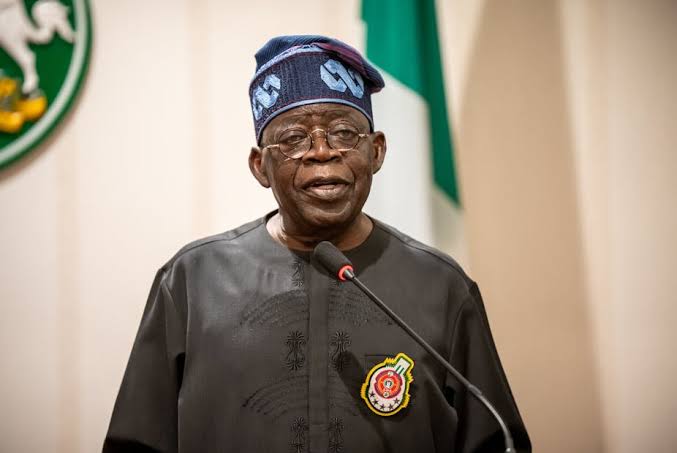
Tinubu's 2026 Democracy Day Speech Highlights Security Plans
Nigeria's Health Sector Faces Challenges After 27 Years
Get Plus234Feed on messaging apps
Same headlines, delivered where you already scroll.


