

Nigeria's Education Needs Shift to Adapt to AI Changes
Temitope Sodipo raises concerns about the relevance of Nigeria's educational curriculum amid rapid technological advancements, particularly in fields such as law, medicine, accounting, and pharmacy. A friend's nephew, recently admitted to study law, faces pressure from parents to pursue a profession that may not align with his interests.
This situation prompts broader questions about whether Nigerian universities are adequately preparing students for the evolving job market. The emphasis should be on developing transferable skills—such as reasoning, research, and analytical thinking—rather than solely focusing on rote learning and examination performance.
Education should provide a foundation for lifelong learning, enabling graduates to adapt to changing job requirements. For instance, a lawyer transitioning to the entertainment industry can leverage their legal training in contract negotiations, while an engineer moving into fitness can apply their understanding of systems.
Ultimately, curiosity and the ability to learn continuously may become more valuable than mastering a specific body of knowledge.
Plus234Feed summary based on reporting from Premium Times. Read the original report below.
Read full article
Continue on Premium Times
Get the week in one email
Top stories, NPFL results, the naira — every Friday morning. Free, one email a week.
Related Stories

NITDA DG Urges Universities to Embrace Skills Revolution
Nigerian Professors Call for AI Adoption and Regulation

Education Stakeholders Advocate AI Training at HERPNET
Experts Urge Adaptation to AI in Nigerian Workplaces

GMind Academy and TRCN Launch AI Training for Teachers
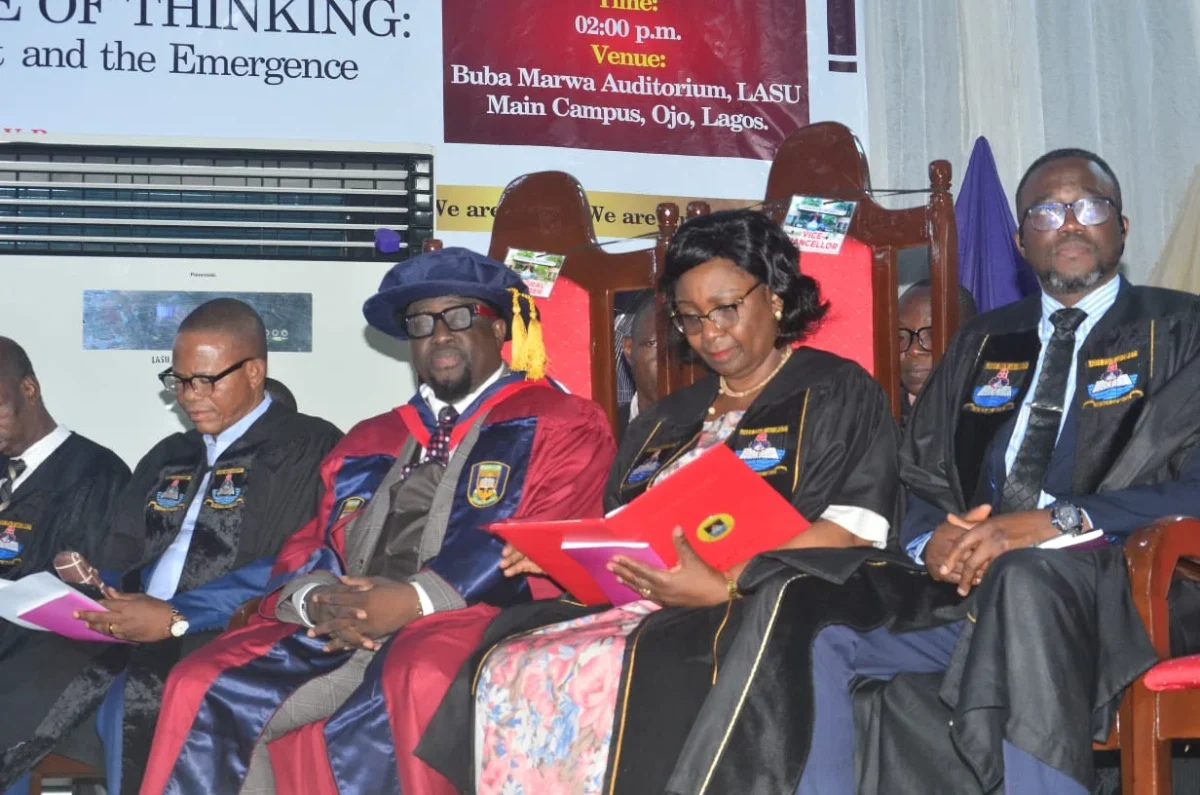
Nigeria Urged to Regulate AI with National Act
Get Plus234Feed on messaging apps
Same headlines, delivered where you already scroll.


