

Nigeria's Leadership Transition: Tinubu's Economic Reforms

The article examines the evolution of Nigeria's leadership from Ibrahim Babangida to Bola Ahmed Tinubu, emphasizing the ongoing challenges and reforms in governance. It notes that Tinubu's administration, which began on May 29, 2023, has taken significant steps by declaring the end of subsidies, aiming to decentralize electricity and improve economic conditions.
The article highlights the historical context of leadership styles, from Babangida's centralization to Obasanjo's stabilization efforts and Buhari's focus on fiscal discipline. It mentions the precarious state of Nigeria's economy, with oil production falling to one million barrels per day and net usable foreign reserves estimated at $4 billion.
Despite these challenges, projections indicate a potential GDP growth of 3.4% in 2024 and 4.23% in Q2 2025, with Fitch upgrading Nigeria's sovereign rating to B- with a stable outlook. The article underscores the need for decisive action and structural reforms to ensure Nigeria's economic recovery and stability.
Plus234Feed summary based on reporting from This Day. Read the original report below.
Read full article
Continue on This Day
Get the week in one email
Top stories, NPFL results, the naira — every Friday morning. Free, one email a week.
Related Stories
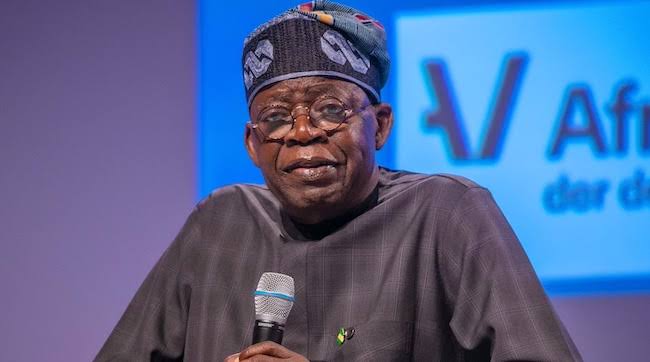
Tinubu's Economic Reforms: A Path to Nigeria's Stability

Tinubu's Economic Reforms: Aiming for Stability and Growth
Tinubu's 1,095 Days of Governance and Reform in Nigeria
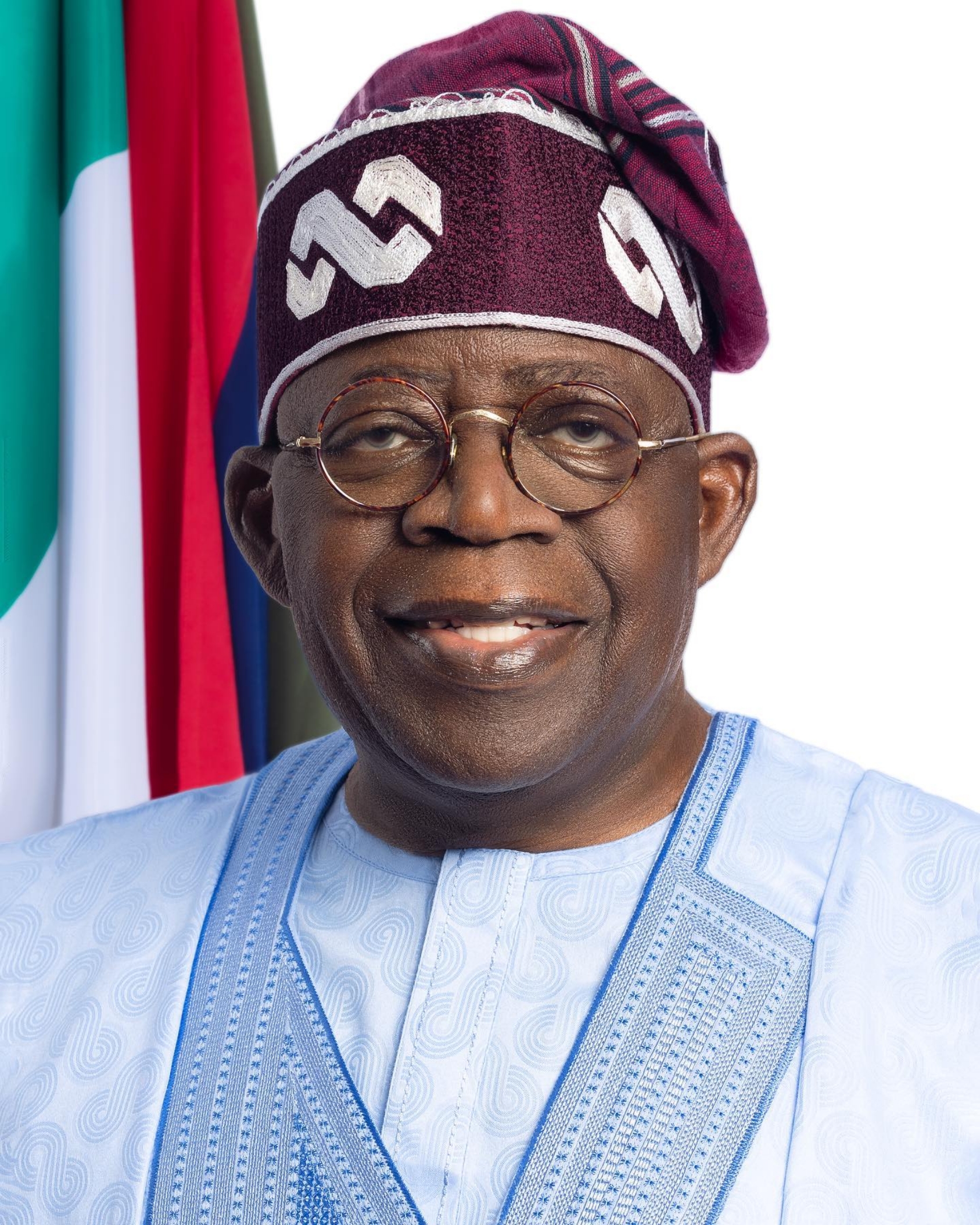
Tinubu's Economic Reforms Aim to Transform Nigeria
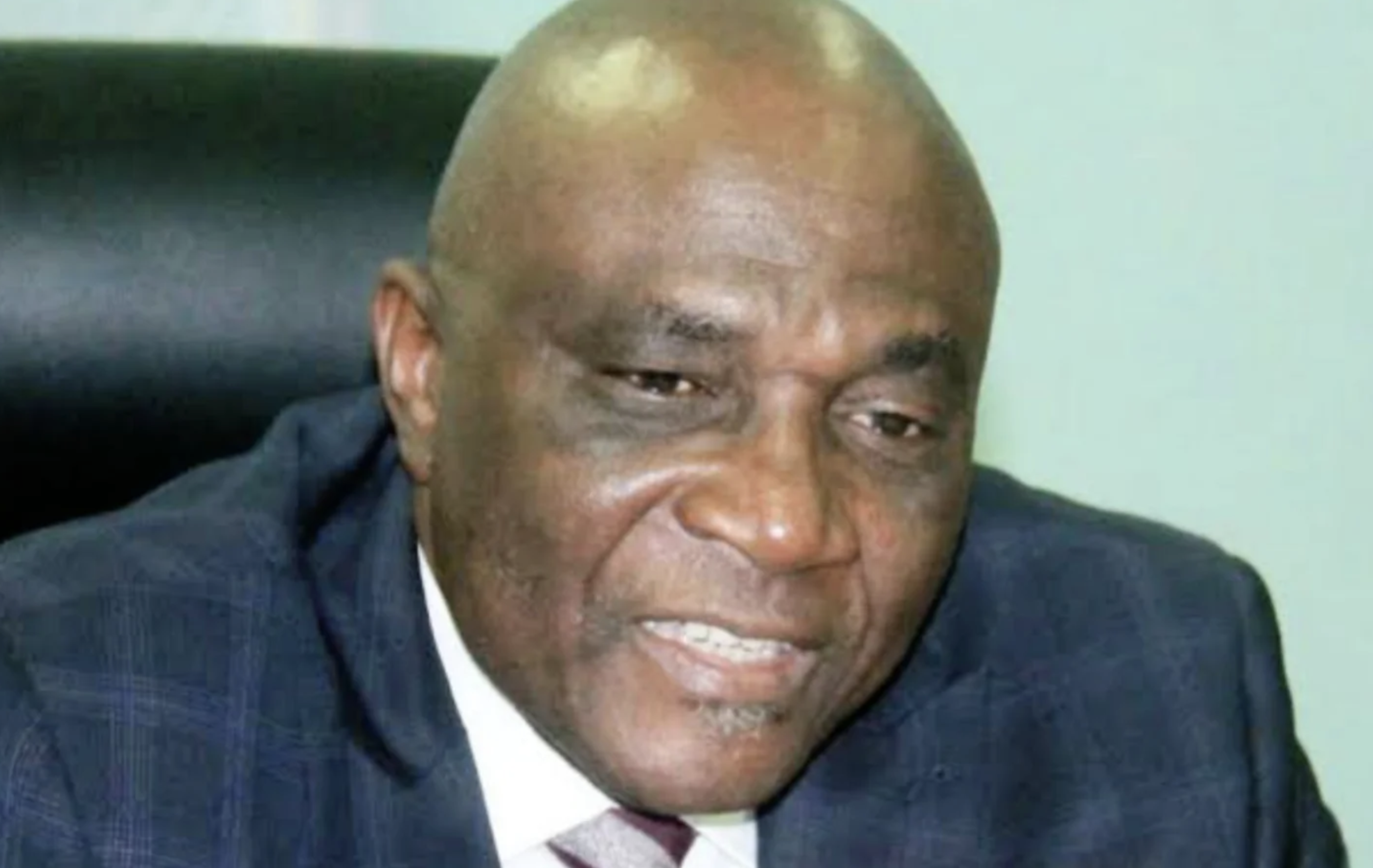
Tinubu's Administration Tackles Economic Challenges in Nigeria
Tinubu at 74: Navigating Nigeria's National Rebirth
Get Plus234Feed on messaging apps
Same headlines, delivered where you already scroll.


