

Insecurity in Northern Nigeria Erodes Household Welfare
A report presented during a webinar on June 17 indicates that insecurity in Northern Nigeria severely impacts household welfare, contributing to chronic poverty. The research categorizes insecurity into three types: Boko Haram and ISWAP violence in the North East, farmer-herder conflicts in the North Central, and banditry and kidnapping in the North West.
The study utilized data from the Nigeria Living Standards Survey 2022/23 and the Nigeria Demographic Health Survey 2024, alongside qualitative fieldwork conducted by the Development Research Project Centre (DRPC). Findings show that households affected by Boko Haram violence experience an 8-14% reduction in expenditure per adult equivalent, while farmer-herder conflicts lead to a 14% drop in expenditure for the poorest households.
Banditry and kidnapping result in a 4-11% expenditure loss, particularly among moderately poor households. The report emphasizes the need for action, including livelihood diversification, to build resilience and escape chronic poverty.
Plus234Feed summary based on reporting from Daily Trust. Read the original report below.
Read full article
Continue on Daily Trust
Get the week in one email
Top stories, NPFL results, the naira — every Friday morning. Free, one email a week.
Related Stories
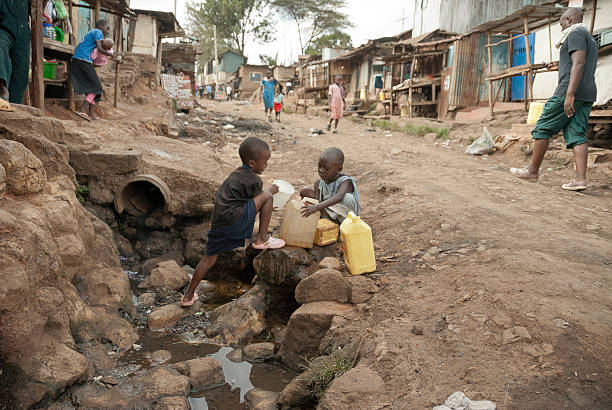
Violence and Insecurity Deepen Poverty in Northern Nigeria
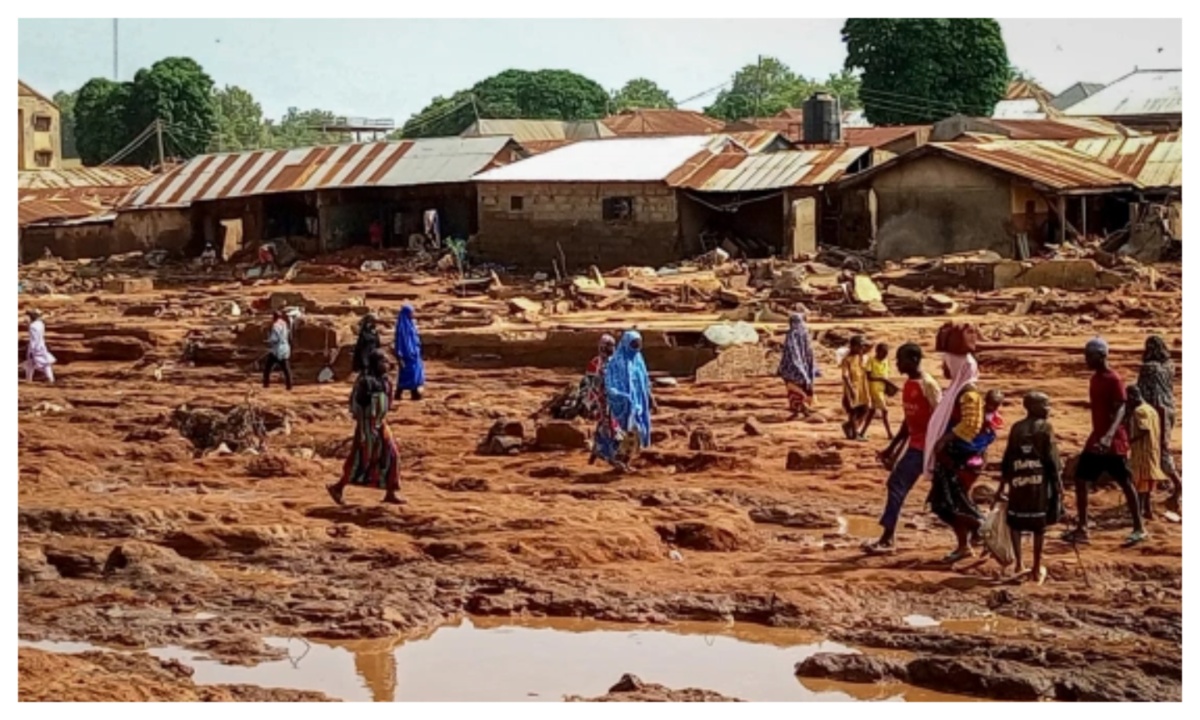
Climate Change Fuels Insecurity in Northern Nigeria
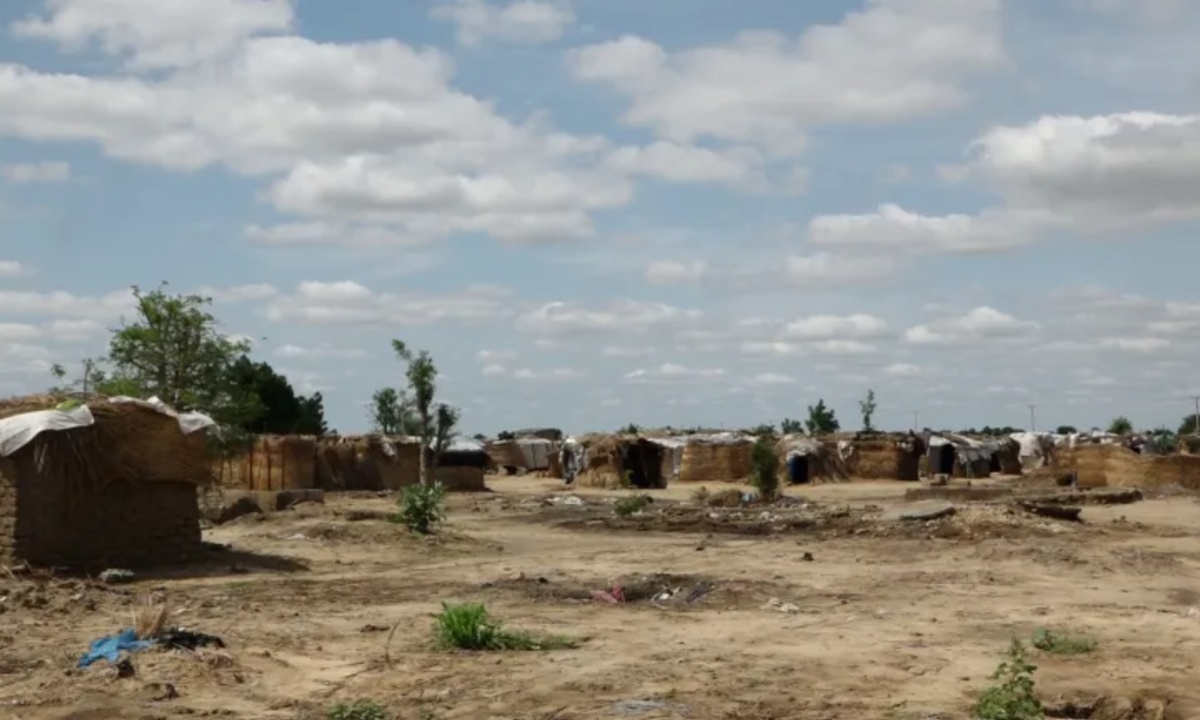
Rural Nigeria Faces Escalating Insecurity and Displacement

Nigeria Faces Rising Food Insecurity Amid Economic Crisis
Distress Sale of Farm Produce Worsens Poverty in Northeast

Insecurity Costs Nigeria Up to $150 Billion Economically
Get Plus234Feed on messaging apps
Same headlines, delivered where you already scroll.


