

Nigeria's Budget Spending Lacks Impact on Citizens' Lives

The Athena Centre for Policy and Leadership has issued a warning regarding Nigeria's public finance system, stating it is proficient at tracking government expenditure but inadequate at assessing the impact of this spending on citizens' lives. This warning is part of the Athena Policy Pulse report titled "Beyond Transparency: Building Results Accountability in Nigeria’s Public Finance System," authored by Izuchukwu Anyanwu and Chinaza Igwe.
The report highlights that Nigeria's 2026 Federal Budget is set at N27.5 trillion, with 41.6% of federally retained revenue allocated to debt servicing in 2025. Despite significant allocations—over N5.9 trillion for health, N7.4 trillion for education, more than N10 trillion for infrastructure, and approximately N5.8 trillion for defense and security—there has been no consistent improvement in healthcare access, educational outcomes, transport efficiency, or security.
The report identifies institutional weaknesses in the budgeting process and calls for reforms, including the publication of a results annex with the Appropriation Bill and enhanced value-for-money audits.
Plus234Feed summary based on reporting from This Day. Read the original report below.
Read full article
Continue on This Day
Enjoy this article?
Get the weekly Nigerian roundup — top stories, NPFL, naira. One email, Sunday morning.
Related Stories
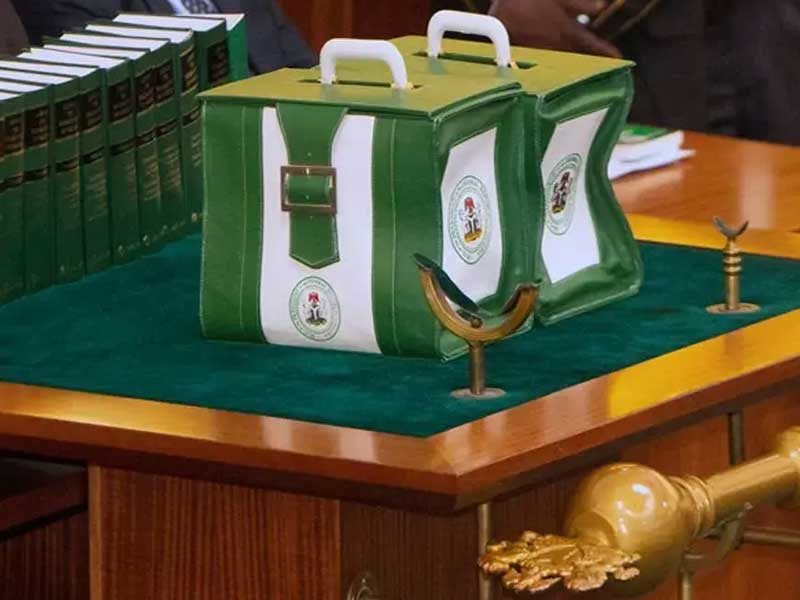
Nigeria's Budgeting System Faces Urgent Reform Needs

Nigeria's 2026 Budget Implementation Faces Serious Challenges
Nigeria's 2026 Budgets Rise 47% Amid Capital Spending Drop
BPP Reports N1.1 Trillion Savings for Federal Government
Nigeria's 2026 Budget Exposed for Corruption and Frivolities

US Report Critiques Nigeria's Fiscal Transparency Efforts
Get Plus234Feed on messaging apps
Same headlines, delivered where you already scroll.


