

Nigeria's Petrol Subsidy Removal Sparks Controversy

The removal of petrol subsidies in Nigeria, announced by President Bola Tinubu during his inaugural speech, has not settled the debate surrounding the issue. Many Nigerians perceive the subsidy as one of the few benefits they received from the government, and its removal has led to a cost-of-living crisis exacerbated by currency devaluation.
The Tinubu administration has faced criticism for its inadequate response to mitigate the adverse effects of subsidy removal, particularly on the poor, who constitute a significant portion of the population. The government's cash transfer program, which promised a total of N75,000 to 15 million households, has been poorly implemented.
Additionally, the administration's commitment to lowering food prices has been described as half-hearted, with delays in implementing a presidential directive on food import duties. Alhaji Atiku Abubakar, the presidential candidate of the African Democratic Congress (ADC), has capitalized on this discontent by promising to reinstate the oil subsidy if elected.
Plus234Feed summary based on reporting from This Day. Read the original report below.
Read full article
Continue on This Day
Get the week in one email
Top stories, NPFL results, the naira — every Friday morning. Free, one email a week.
Related Stories
Petrol Subsidy Debate Heats Up Ahead of 2027 Elections
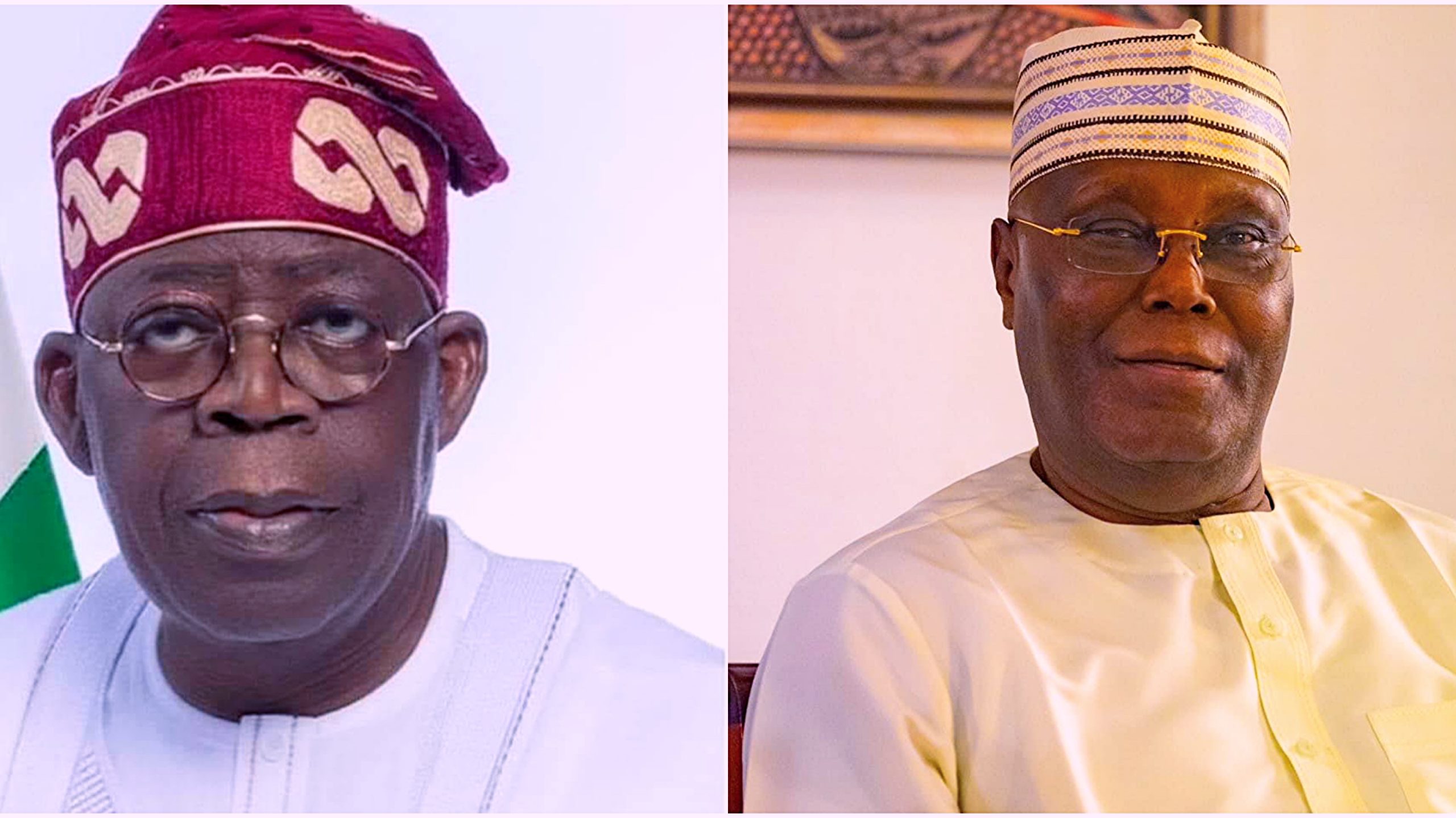
Atiku Abubakar Advocates for Fuel Subsidy Restoration
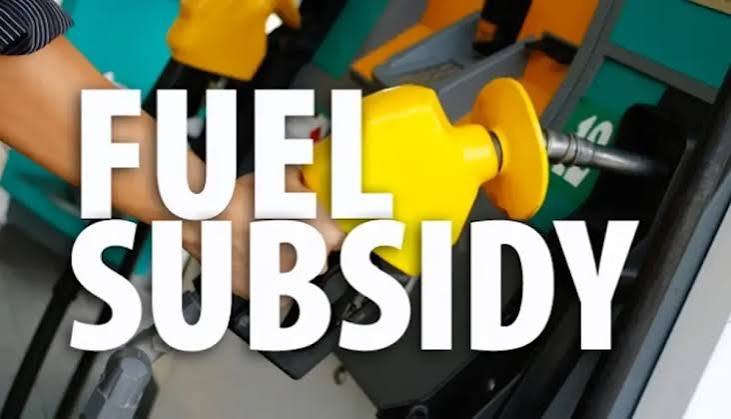
Atiku's Petrol Subsidy Proposal Criticized for Economic Risks
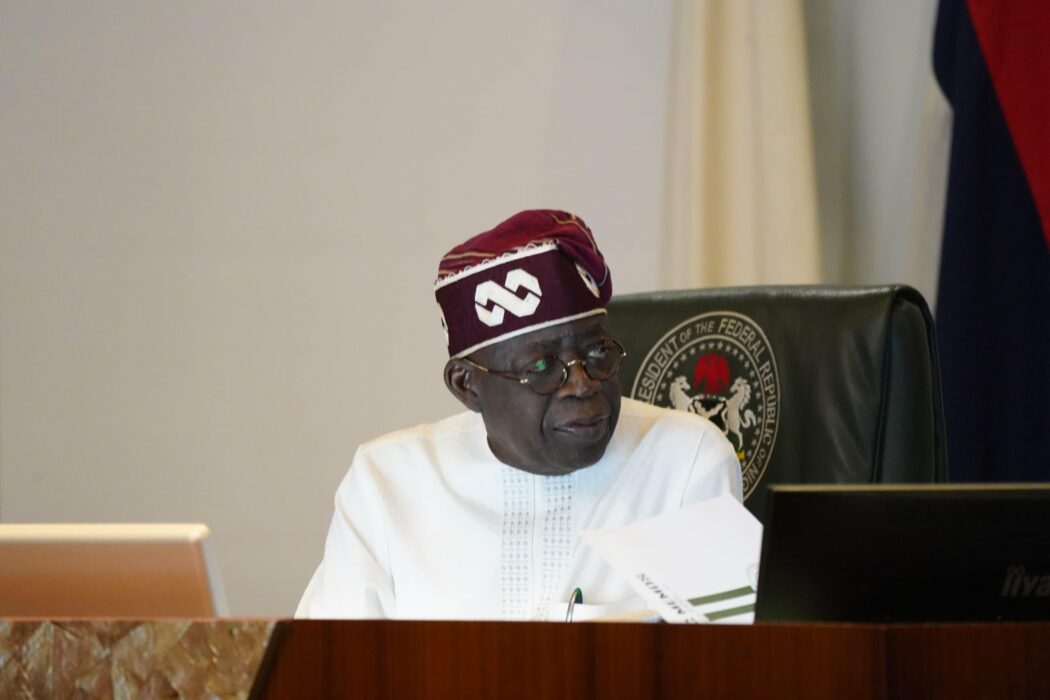
Tinubu Opposes Return of Petrol Subsidies in Nigeria
Atiku Abubakar Challenges Tinubu on Fuel Subsidy Debate
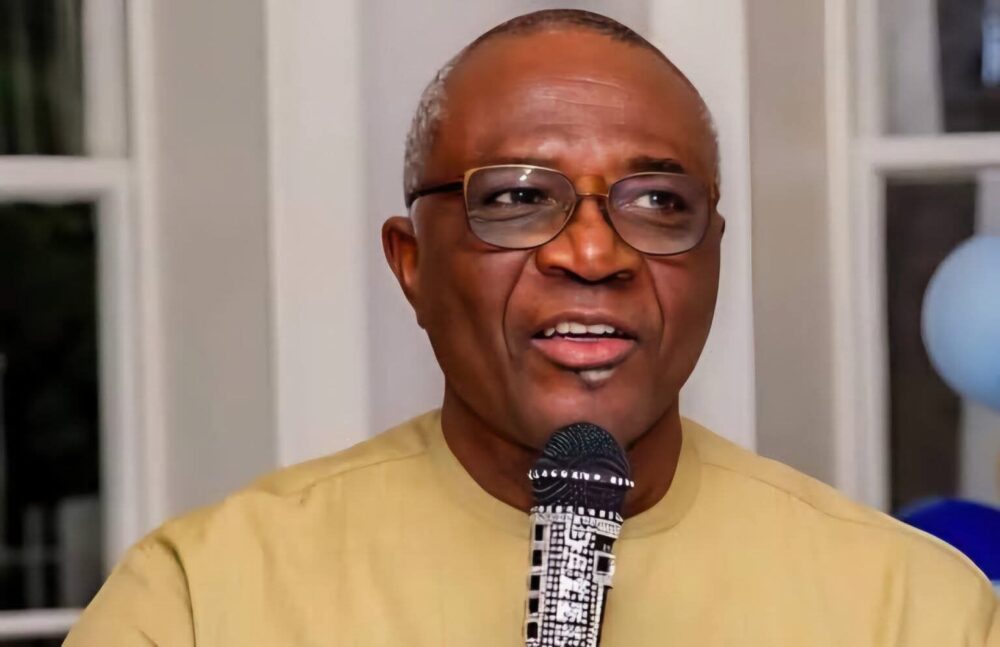
Presidency Rejects Atiku's Call to Reinstate Fuel Subsidies
Get Plus234Feed on messaging apps
Same headlines, delivered where you already scroll.


