

NSIB's Funding Shortfall Impacts Maritime Investigations

Capt. Alex Badeh Jnr., the Director-General of the Nigeria Safety Investigation Bureau (NSIB), addressed significant funding shortfalls affecting the bureau's operations during a virtual press conference in Abuja. He indicated that these financial constraints have limited training opportunities and the procurement of essential equipment, notably a Remotely Operated Vehicle (ROV), which is crucial for investigating maritime accidents, particularly those involving sunken vessels.
The absence of an ROV hampers the ability to retrieve evidence and bodies from accident sites. Badeh emphasized that increased funding from the Nigeria Maritime Administration and Safety Agency (NIMASA) would enhance the bureau's capacity to conduct investigations.
He also mentioned the potential impact of a proposed reduction in the Ticket Sales Charge (TSC) on the bureau's ability to fulfill its multimodal transport safety investigation mandate. Currently, the NSIB is managing seven major investigations across aviation, rail, and maritime sectors.
Additionally, Badeh clarified that the bureau's investigation into Air Peace crew members who tested positive for substances was objective and not aimed at targeting the airline.
Plus234Feed summary based on reporting from Blueprint. Read the original report below.
Read full article
Continue on Blueprint
Enjoy this article?
Get the weekly Nigerian roundup — top stories, NPFL, naira. One email, Sunday morning.
Related Stories

NSIB Faces Funding Crisis Impacting Aviation Safety
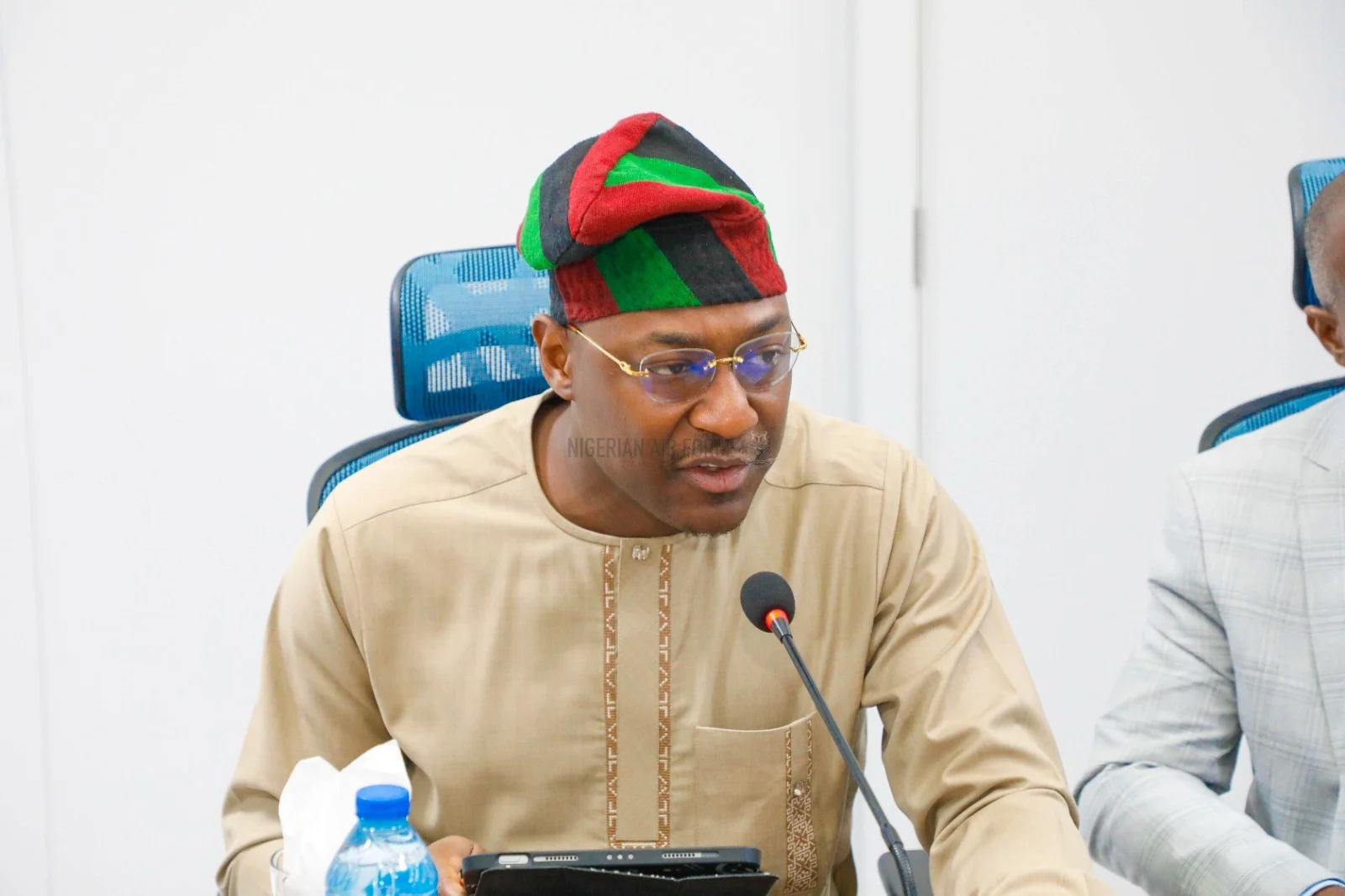
NSIB and NIMASA Collaborate to Enhance Maritime Safety
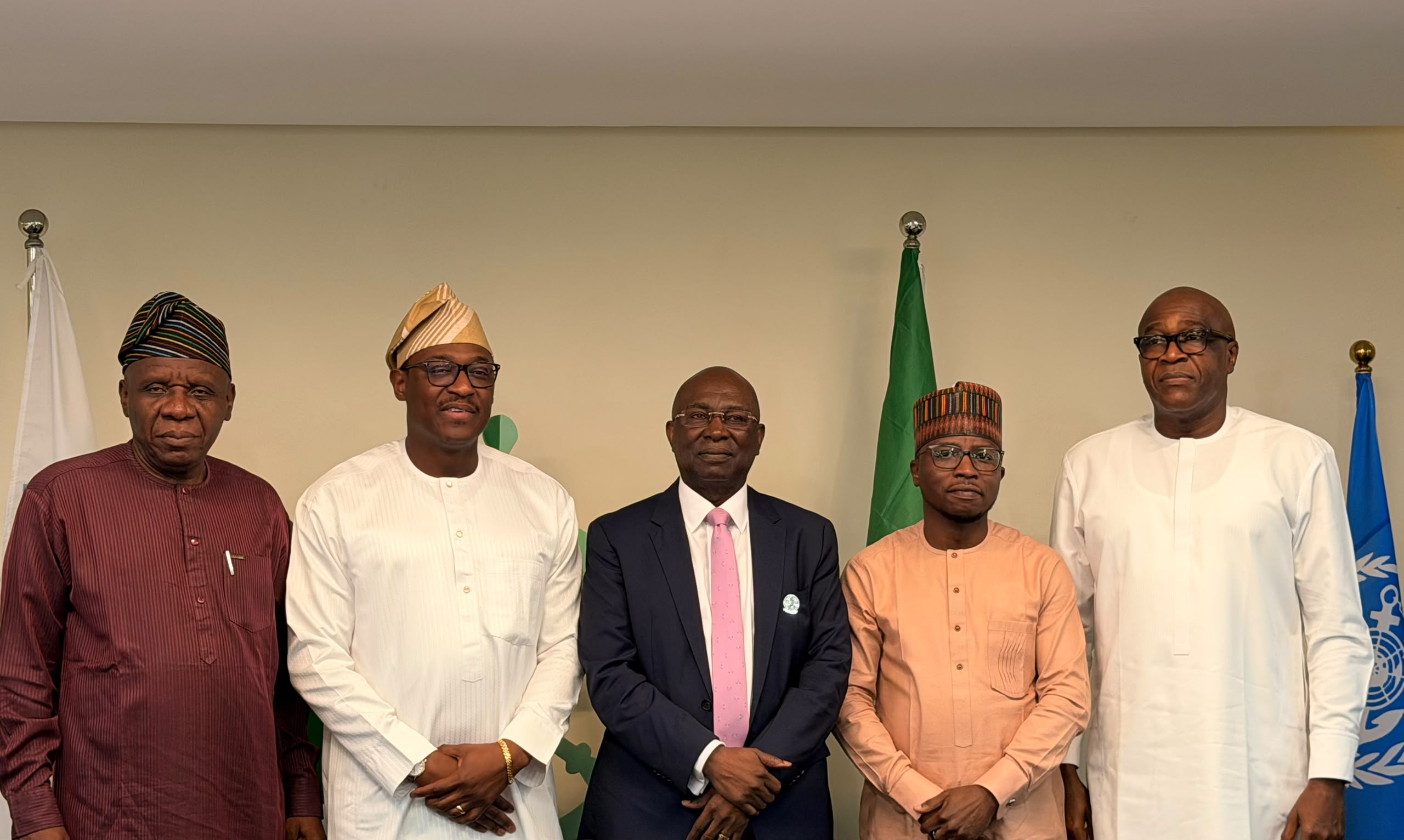
NIMASA and NSIB Strengthen Maritime Safety Collaboration
NIMASA and NSIB Strengthen Maritime Safety Collaboration

NSIB DG Warns of Impact from Ticket Charge Reduction

NIMASA Advances Digitization to Enhance Maritime Efficiency
Get Plus234Feed on messaging apps
Same headlines, delivered where you already scroll.


