

Nigeria's Revenue Growth vs. Debt Servicing Challenges

Nigeria's public finances are characterized by a paradox of increasing non-oil revenue and significant debt servicing obligations. The federal government's 2026 budget of N68.32 trillion allocates approximately N15.52 trillion, or 45.2% of projected revenue, to debt servicing, overshadowing allocations for education and health.
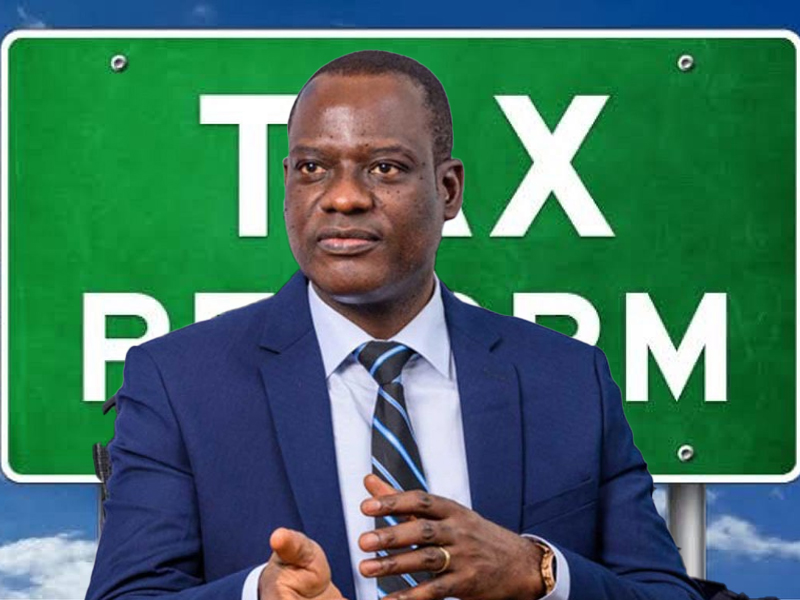
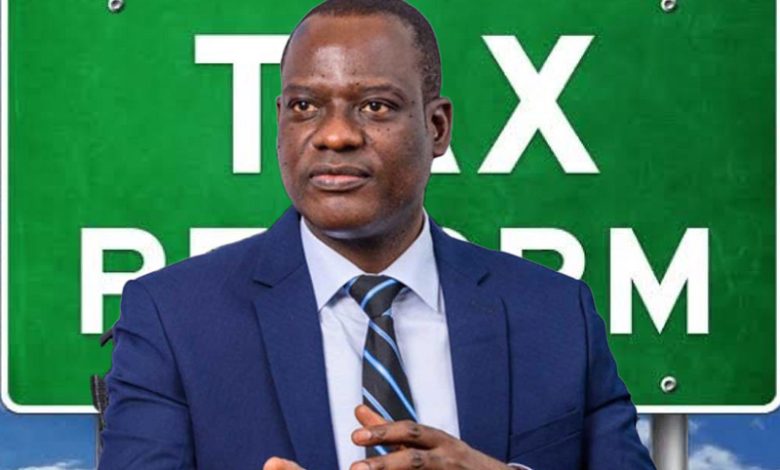
Finance Minister Taiwo Oyedele, who assumed office on April 21, 2026, after a cabinet reshuffle, has been vocal about the inadequacy of Nigeria's revenue base, comparing it unfavorably to other economies. He projected that Nigeria could more than double its tax-to-GDP ratio from under 10% to at least 18% within three years due to ongoing reforms.
Between January and June 2026, the federal government generated N21.6 trillion in tax revenue, marking a 49% increase from the previous year. Oyedele refuted claims of excessive new borrowing, attributing increases in the debt profile to exchange rate adjustments and refinancing rather than new debt accumulation.
Plus234Feed summary based on reporting from Blueprint. Read the original report below.
Read full article
Continue on Blueprint
Enjoy this article?
Get the weekly Nigerian roundup — top stories, NPFL, naira. One email, Sunday morning.
Related Stories

Nigeria's Revenue Growth Funds Government Expenses
Nigeria's Debt Increase Linked to Naira Depreciation
Nigeria's Tax Revenue Concerns Highlighted by Oyedele
Nigeria's Finance Minister Clarifies Tax Reform Agenda

Nigeria's Revenue Crisis Fuels Debt Challenges Ahead

Nigeria's Finance Minister Advocates for More Taxpayers
Get Plus234Feed on messaging apps
Same headlines, delivered where you already scroll.


