

Houthi Movement's Asymmetric Warfare Challenges Gulf Powers
The article discusses the changing dynamics of warfare in the Middle East, emphasizing lessons for Nigeria and the Sahel. It notes that traditional assumptions about military superiority based on wealth and advanced weaponry are being challenged by the Houthi movement in Yemen, which has developed sophisticated drones and missiles despite facing Saudi-led air campaigns.
This situation illustrates the effectiveness of inexpensive, decentralized warfare against technologically superior forces. The article critiques Western military doctrines that rely on technological dominance, which falter against decentralized non-state actors.
It also highlights the strategic dilemmas faced by Gulf monarchies like Saudi Arabia, the United Arab Emirates, and Qatar, which have invested heavily in geopolitical influence through financial resources. However, the complexities of proxy warfare, as seen in Syria, reveal that financial influence does not guarantee control over armed groups.
The article underscores the implications of these developments for military strategies and geopolitical stability in the region.
Plus234Feed summary based on reporting from Daily Trust. Read the original report below.
Read full article
Continue on Daily Trust
Get the week in one email
Top stories, NPFL results, the naira — every Friday morning. Free, one email a week.
Related Stories
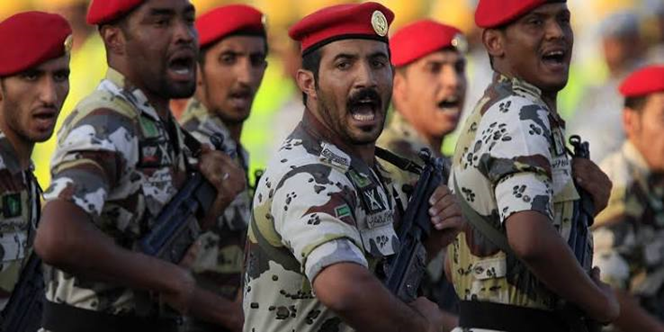
Middle East Conflict Disrupts Global Oil Supply and Prices
Houthi Attacks on Saudi Arabia Highlight Yemen's Struggle

Houthi Movement Strikes Saudi Arabia, Escalating Tensions
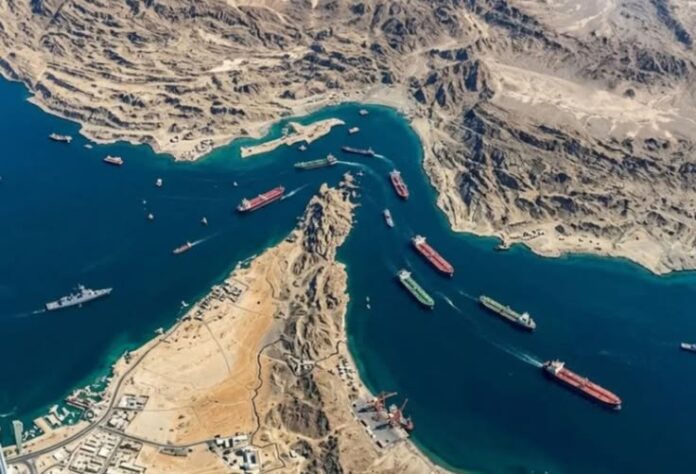
Renewed Tensions in Middle East Impact Global Energy Markets

Nigeria's Military Strategy Targets Terrorist Funding Sources

Nigerian Army Implements Mission Command Strategy
Get Plus234Feed on messaging apps
Same headlines, delivered where you already scroll.


