

Tinubu's Economic Reforms Show Mixed Results, Says CPPE

The Centre for the Promotion of Private Enterprise (CPPE), led by Chief Executive Dr. Muda Yusuf, assessed the economic performance of President Bola Tinubu's administration, which began amid significant fiscal, monetary, and foreign exchange challenges. The report highlights that while reforms aimed at restoring macroeconomic stability have been implemented, such as the removal of fuel subsidies and the unification of exchange rates, these have not yet translated into broad-based welfare gains for the populace.
The reforms have led to immediate inflationary shocks, with energy prices surging and transport costs escalating, contributing to a decline in real income and worsening poverty conditions. Despite these challenges, the CPPE noted improvements in external reserves, with gross reserves approaching $50 billion, and a balance of trade remaining in surplus.
However, issues such as high energy costs, weak purchasing power, and fragile consumer confidence continue to hinder economic recovery. The report emphasizes the need for ongoing reforms to ensure long-term sustainability and public support.
Plus234Feed summary based on reporting from Punch Newspapers. Read the original report below.
Read full article
Continue on Punch Newspapers
Get the week in one email
Top stories, NPFL results, the naira — every Friday morning. Free, one email a week.
Related Stories

Tinubu's First Three Years Stabilize Nigeria's Economy
Tinubu's Economic Reforms Gain Support from Deloitte Africa
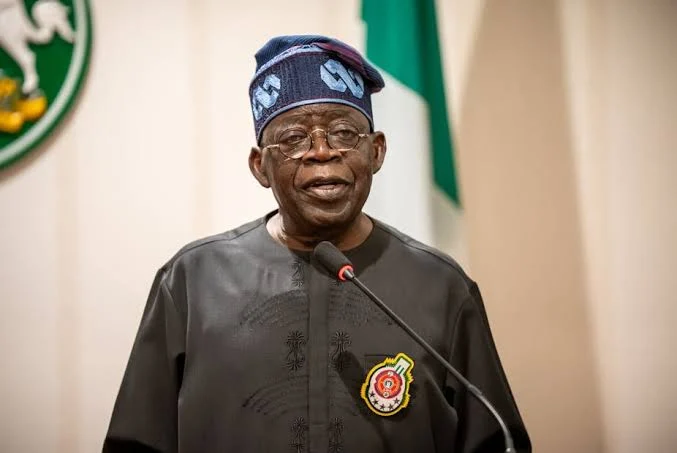
Tinubu: Nigeria's Economy Progressing Amid Reform Challenges
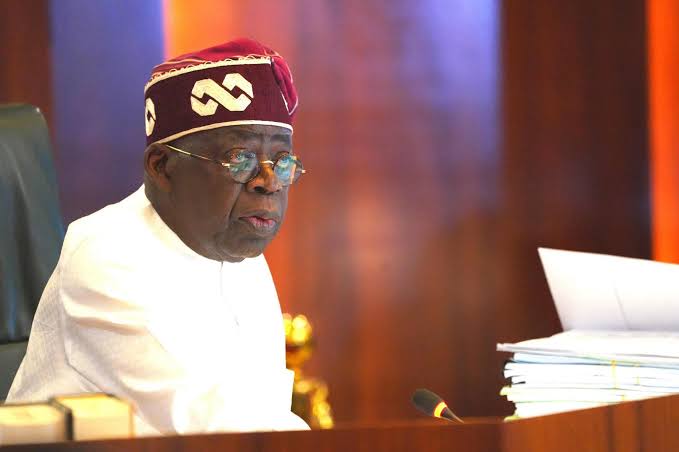
Tinubu's Three-Year Reforms: Economic Impact in Nigeria

Tinubu's Economic Reforms: Gains and Ongoing Hardships

Tinubu's Economic Policies Defended Amid Public Hardships
Get Plus234Feed on messaging apps
Same headlines, delivered where you already scroll.


