

Tinubu's Administration Shows Progress Amid Economic Reforms

Musa asserts that President Tinubu's administration has made significant progress since its inception, particularly through macro fiscal reforms like subsidy removal, unifying exchange rates, and enhancing non-oil revenue. He acknowledges the initial challenges faced during the first two years but believes that the country is now stabilizing.
Musa emphasizes the need for public sensitization regarding these economic reforms, as many Nigerians perceive the situation as worsening. He notes that the administration has introduced social support measures, including MSME intervention funds, a student loan scheme (NELFUND), a new minimum wage of 70,000 Naira, and targeted cash transfers for vulnerable households.
Musa highlights ongoing infrastructure projects, particularly in road construction, and mentions efforts to address insecurity, which has persisted for over 20 years. He concludes that the sacrifices made during the initial phase are beginning to yield dividends, contributing to the overall development of the economy.
Plus234Feed summary based on reporting from Blueprint. Read the original report below.
Read full article
Continue on Blueprint
Get the week in one email
Top stories, NPFL results, the naira — every Friday morning. Free, one email a week.
Related Stories
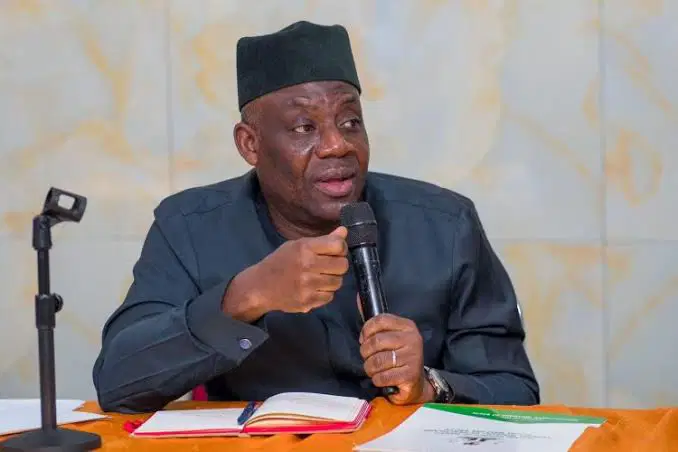
Tinubu's Economic Reforms Position Him for 2027 Reelection
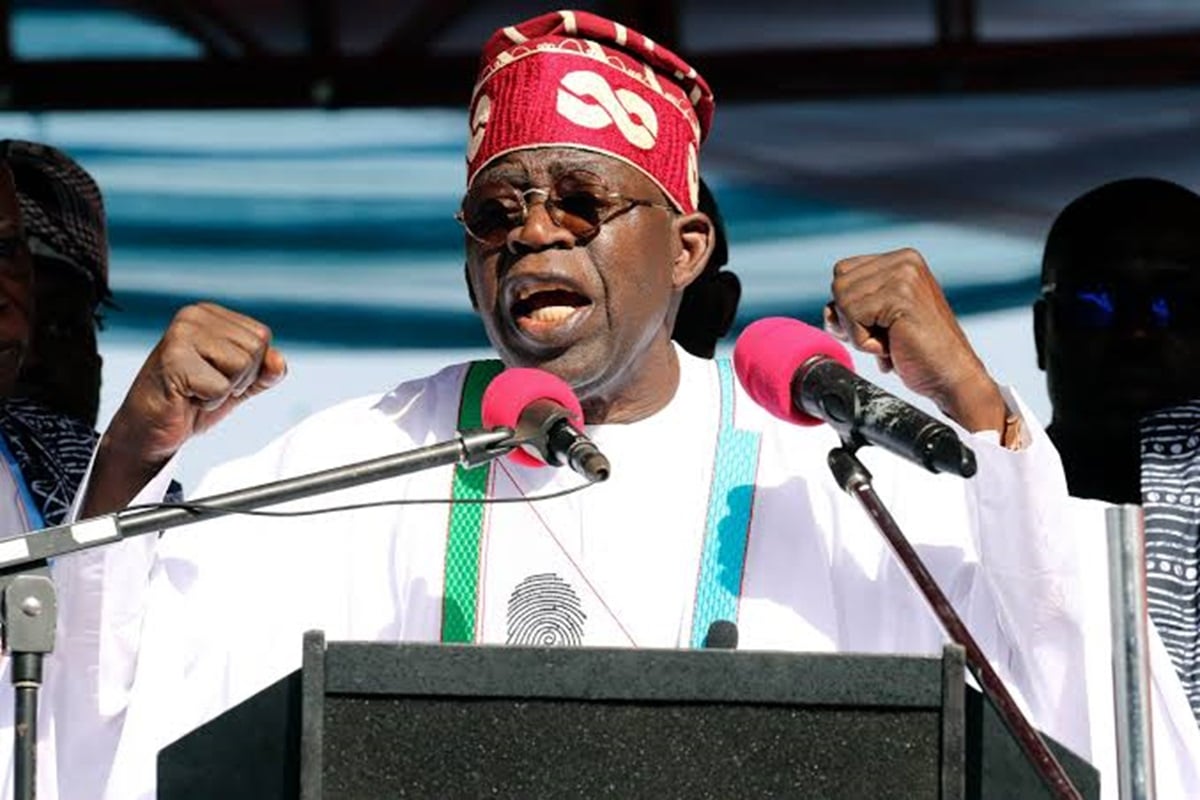
Alausa Confident in Tinubu's 2027 Re-election Prospects
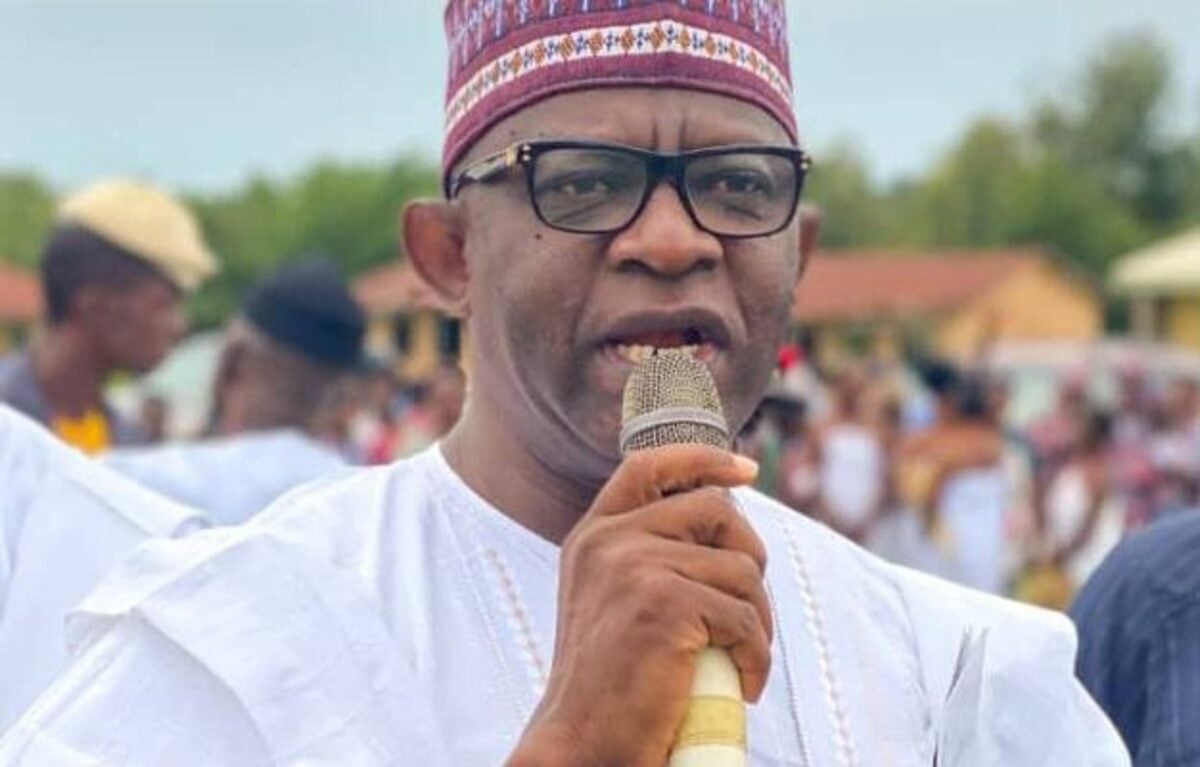
Karimi Advocates for Tinubu's 2027 Re-election Bid
Kalu: Tinubu Leads 2027 Race After Economic Stabilization
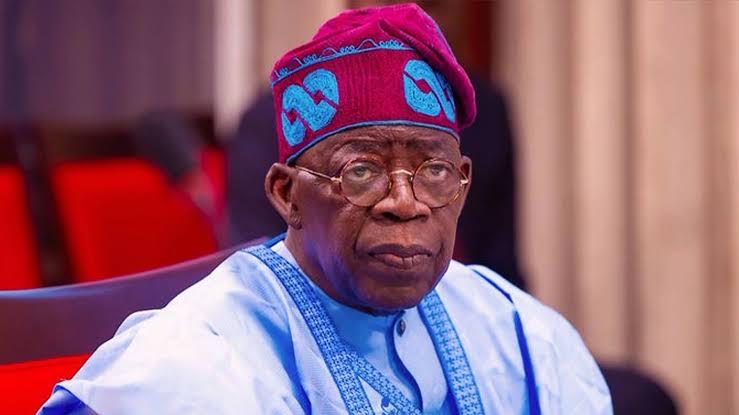
Tinubu's Strategic Pathway to 2027 Presidential Victory
Tinubu's Economic Reforms: Progress and Challenges
Get Plus234Feed on messaging apps
Same headlines, delivered where you already scroll.


