
Uber Exits Nigeria, Sparking Competition Among Rivals

Uber discontinued its operations in Nigeria on September 2, 2026, ending a 12-year presence that began with its launch in Lagos in 2014. The decision followed a review of the company's evolving priorities and investment focus across Africa, without citing specific Nigerian market conditions.
Uber faced challenges such as rising fuel and vehicle-maintenance costs, inflation, currency pressures, and demands from drivers for better earnings. The exit leaves a significant pool of riders and drivers available for competing platforms.
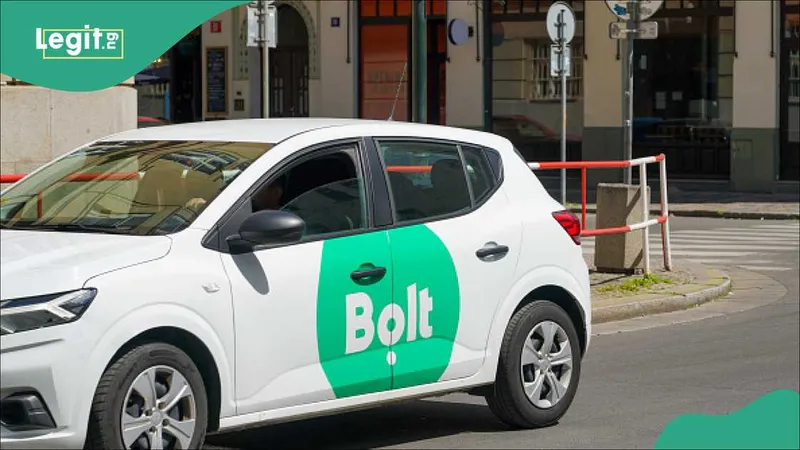
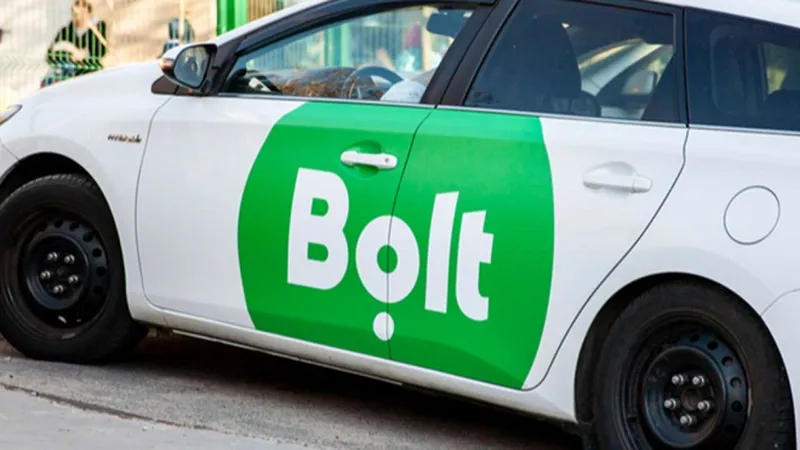
Bolt aims to capture displaced customers and drivers, asserting its commitment to the Nigerian market. inDrive offers a fare-negotiation model appealing to cost-conscious users. Other platforms like LagRide and Rida may also benefit from Uber's departure.
The exit could lead to an aggressive recruitment battle among ride-hailing companies, as drivers seek better earnings and conditions. Customers will likely compare platforms on fares, availability, and service, potentially leading to promotional offers amidst ongoing pressures on operational costs.
Plus234Feed summary based on reporting from Legit.ng. Read the original report below.
Read full article
Continue on Legit.ng
Get the week in one email
Top stories, NPFL results, the naira, every Friday morning. Free, one email a week.
Related Stories

Uber to Exit Nigeria by September 2026 Amid Competition
Bolt Commits to Nigeria as Uber Exits After 12 Years

Uber Ends Ride-Hailing Operations in Nigeria
Bolt to Continue Operations in Nigeria After Uber Exit

Uber Exits Nigeria After 12 Years Amid Restructuring

E-hailing Platforms Capitalize on Uber's Exit in Nigeria
Get Plus234Feed on messaging apps
Same headlines, delivered where you already scroll.