

Tinubu Faces Economic and Security Challenges in Nigeria

President Bola Tinubu is confronted with deep-rooted economic challenges as he assumes office, including a heavy reliance on oil revenue, mounting debt, and significant infrastructure deficits. The Nigerian economy has become overly dependent on government spending, with citizens accustomed to monthly salary distributions.
Tinubu's administration faces the burden of fuel subsidies, which have consumed trillions of naira, impacting essential services like education and healthcare. The removal of these subsidies is politically sensitive and could have immediate repercussions for citizens.
Additionally, Nigeria is experiencing a foreign exchange crisis, with multiple exchange rates and declining dollar inflows affecting foreign reserves. Security challenges, including terrorism and banditry, further complicate governance and economic stability.
Despite Tinubu's genuine determination to implement reforms, he faces political opposition and bureaucratic resistance, making it difficult to deliver results. The public's impatience for quick solutions adds pressure to his administration, as insecurity remains a significant test of governance.
Plus234Feed summary based on reporting from The Authority. Read the original report below.
Read full article
Continue on The Authority
Get the week in one email
Top stories, NPFL results, the naira — every Friday morning. Free, one email a week.
Related Stories
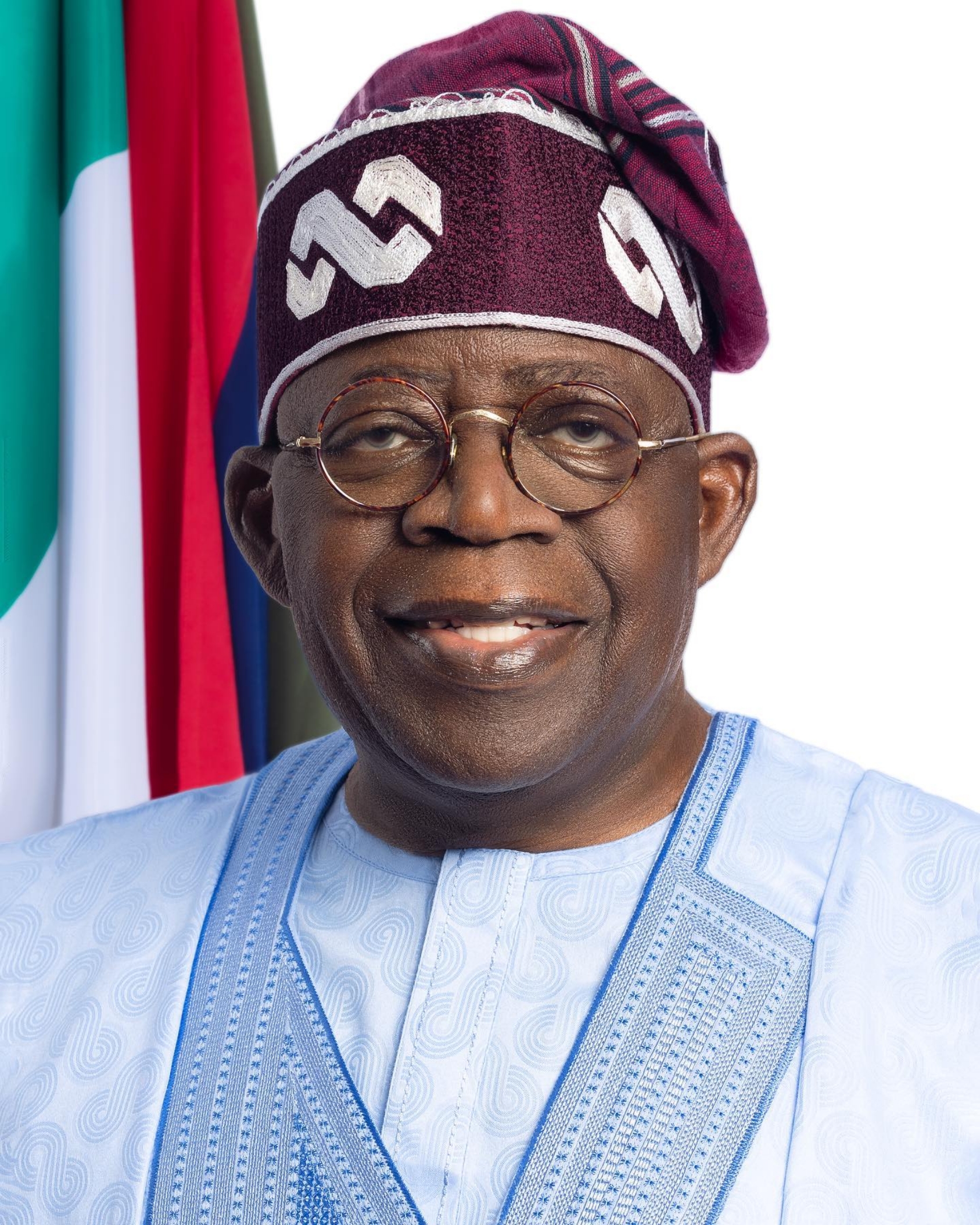
Tinubu's Administration Defends Governance Amid Criticism
Tinubu's Economic Reforms Aim to Transform Nigeria
Nigeria's Economic Crisis: Tinubu's Debt and Inflation Woes
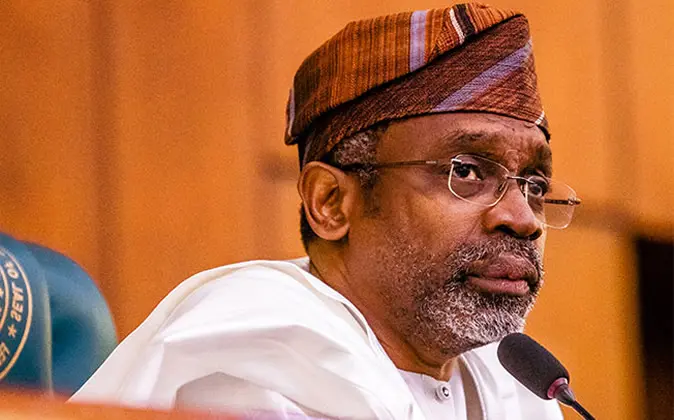
Gbajabiamila Addresses Nigeria's Economic Challenges

Tinubu's Three Years: Achievements and Challenges
Tinubu's Economic Reforms: Gains and Ongoing Hardships
Get Plus234Feed on messaging apps
Same headlines, delivered where you already scroll.


