

ACRC Study Reveals Food Waste's Health Risks in Lagos

A community-led study by the African Cities Research Consortium (ACRC) has identified food waste as the most significant health risk in Lagos neighborhoods without formal waste collection, surpassing plastic waste. Conducted by Rethinking Cities under the ACRC Lagos programme at the Centre for Housing and Sustainable Development, University of Lagos, the study was presented during a World Cleanup Day event organized by the Lagos State Ministry of the Environment.
Researchers collected and sorted waste from Ajegunle-Ikorodu between April and June 2026. Although PET plastic was the largest by weight, organic waste posed a higher health risk due to rapid decomposition and drainage blockage.
The study revealed that many households lack formal waste collection, contributing to flooding and waterborne diseases. Dr. Temilade Sesan, ACRC Lagos City Manager, stated that waste management, flooding, and health risks are interconnected.
In response, the project transformed an illegal dumpsite into a community hub for plastic recovery, food-waste composting, and urban farming.
Plus234Feed summary based on reporting from This Day. Read the original report below.
Read full article
Continue on This Day
Get the week in one email
Top stories, NPFL results, the naira — every Friday morning. Free, one email a week.
Related Stories
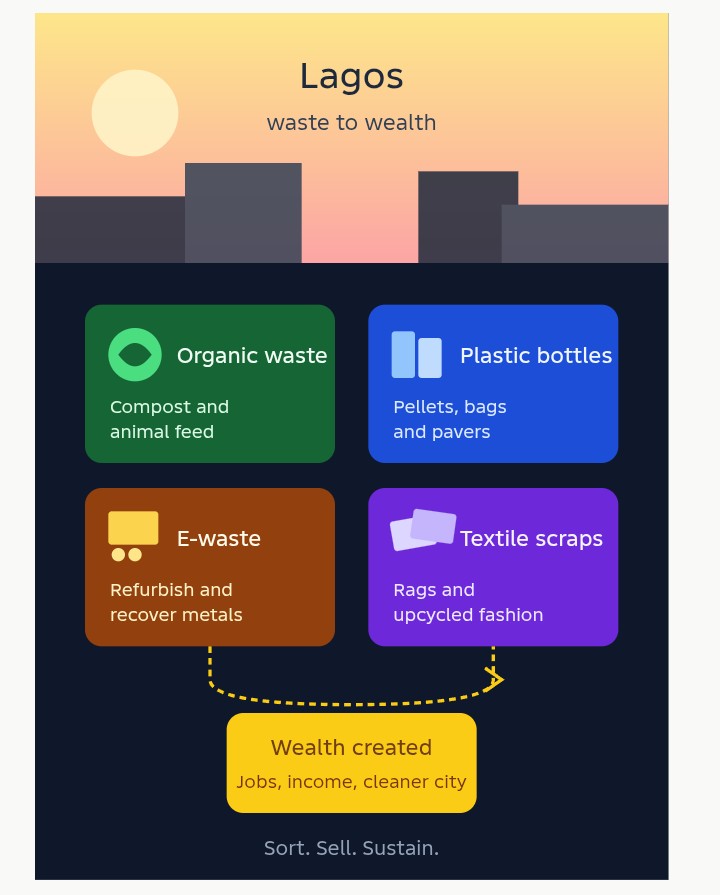
Lagos Transforms Waste into Economic Opportunities

Lagos Expands Environmental Infrastructure Amid Growth
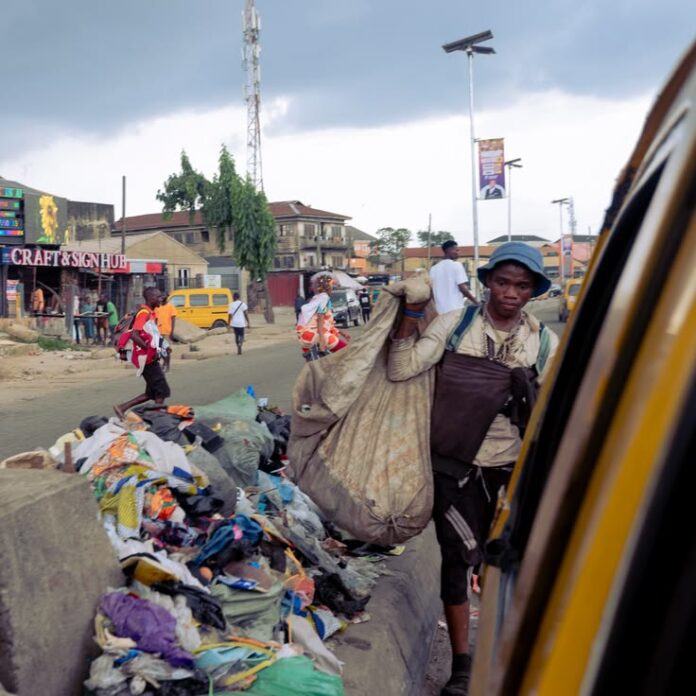
Lagos State Declares Emergency on Waste Management
LAWMA Engages Youth Groups for Cleaner Lagos Initiative

Lagos Proposes New Rates for Wastewater Management
LAWMA Enforces Waste Compliance in Ajah-Lekki Markets
Get Plus234Feed on messaging apps
Same headlines, delivered where you already scroll.


