

Nigeria's Transport Cost Reduction Plan Faces Challenges

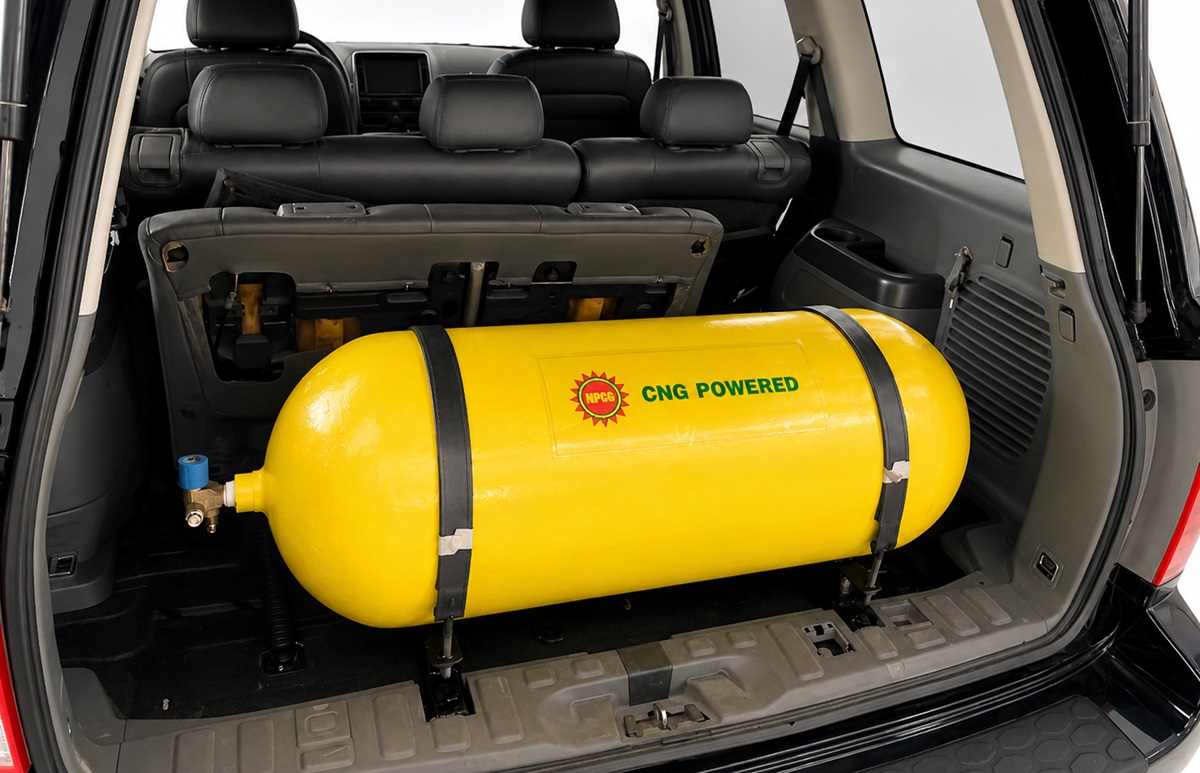
The Nigerian government's initiative to lower intra-state transport fares through the adoption of Compressed Natural Gas (CNG) and electric vehicles is facing challenges as the October 1 deadline approaches. Commuters on various routes, such as Sango-Ota to Oshodi, are still paying high fares, with costs ranging from N1,500 to N2,500.
Commuter Bolu Adegbite noted that despite using CNG-powered buses, fares have not decreased. Adebayo Ojo reported paying N500 for a ride that costs the same on petrol-powered buses.
The government asserts that reduced operating costs for CNG vehicles should lead to lower fares, but industry leaders argue that without direct support, fares will not decrease. Isiaka Apena, chairman of the National Union of Road Transport Workers' Ikeja branch, stated that government subsidies could enable fare reductions.
The government has converted about 120,000 vehicles and deployed 655 CNG buses and 5,123 CNG tricycles. Tosin Coker, chief operating officer of the initiative, emphasized that fare reductions should be the measure of success rather than vehicle counts.
Plus234Feed summary based on reporting from Legit.ng. Read the original report below.
Read full article
Continue on Legit.ng
Enjoy this article?
Get the weekly Nigerian roundup — top stories, NPFL, naira. One email, Sunday morning.
Related Stories
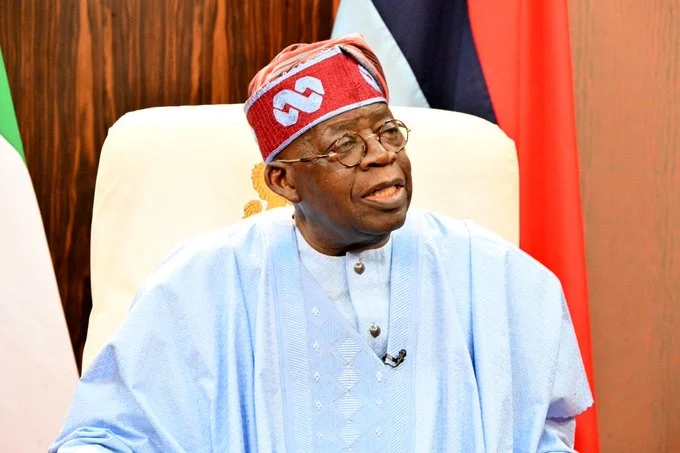
Tinubu and Governors Collaborate to Lower Transport Costs
Nigeria Secures $2bn for CNG Infrastructure Development

Governors Propose CNG Transit Program to Cut Fares
Pi-CNG Supports Tinubu's CNG Initiative to Cut Fares
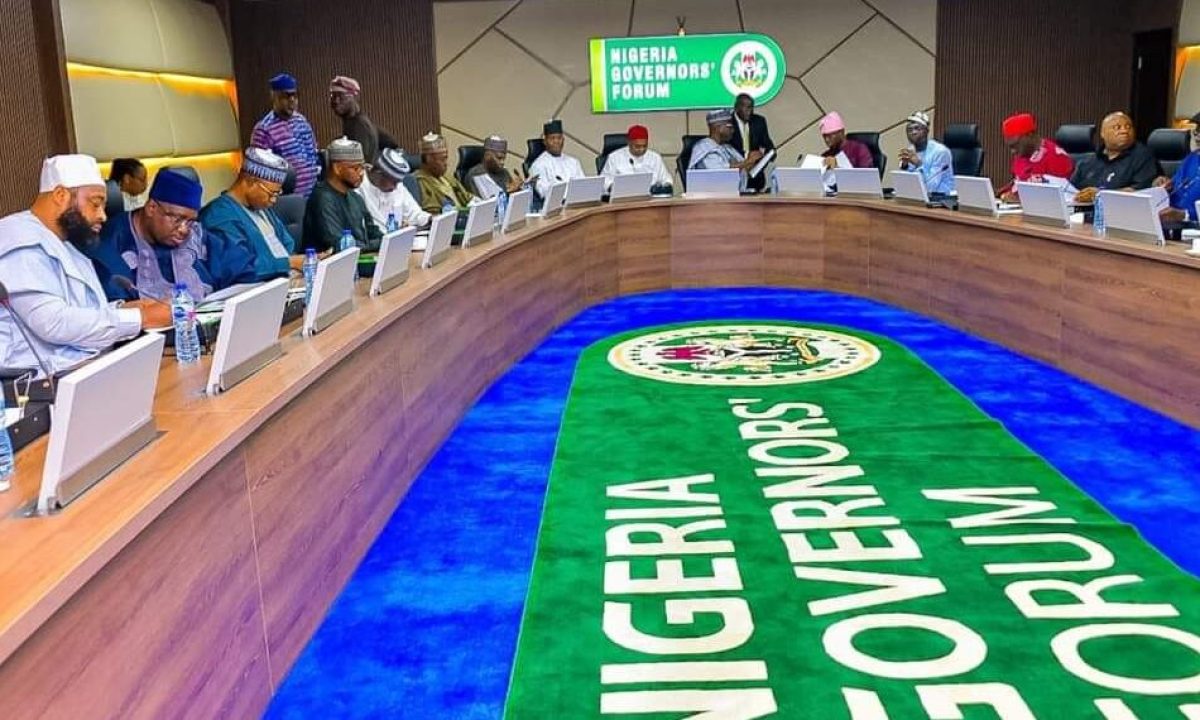
Governors Aim to Reduce Transport Costs with CNG Vehicles
Rising Petrol Prices Boost CNG Adoption in Nigeria
Get Plus234Feed on messaging apps
Same headlines, delivered where you already scroll.


